Key takeaways
- AI is increasingly being utilised to create artworks that are exhibit-worthy.
- Microsoft's project at the Tate Museum aimed to uncover hidden art through AI algorithms.
- The IK Prize encouraged participants to link historic art with modern photojournalism.
- The resulting algorithm, Recognition, revealed connections between art and contemporary events.
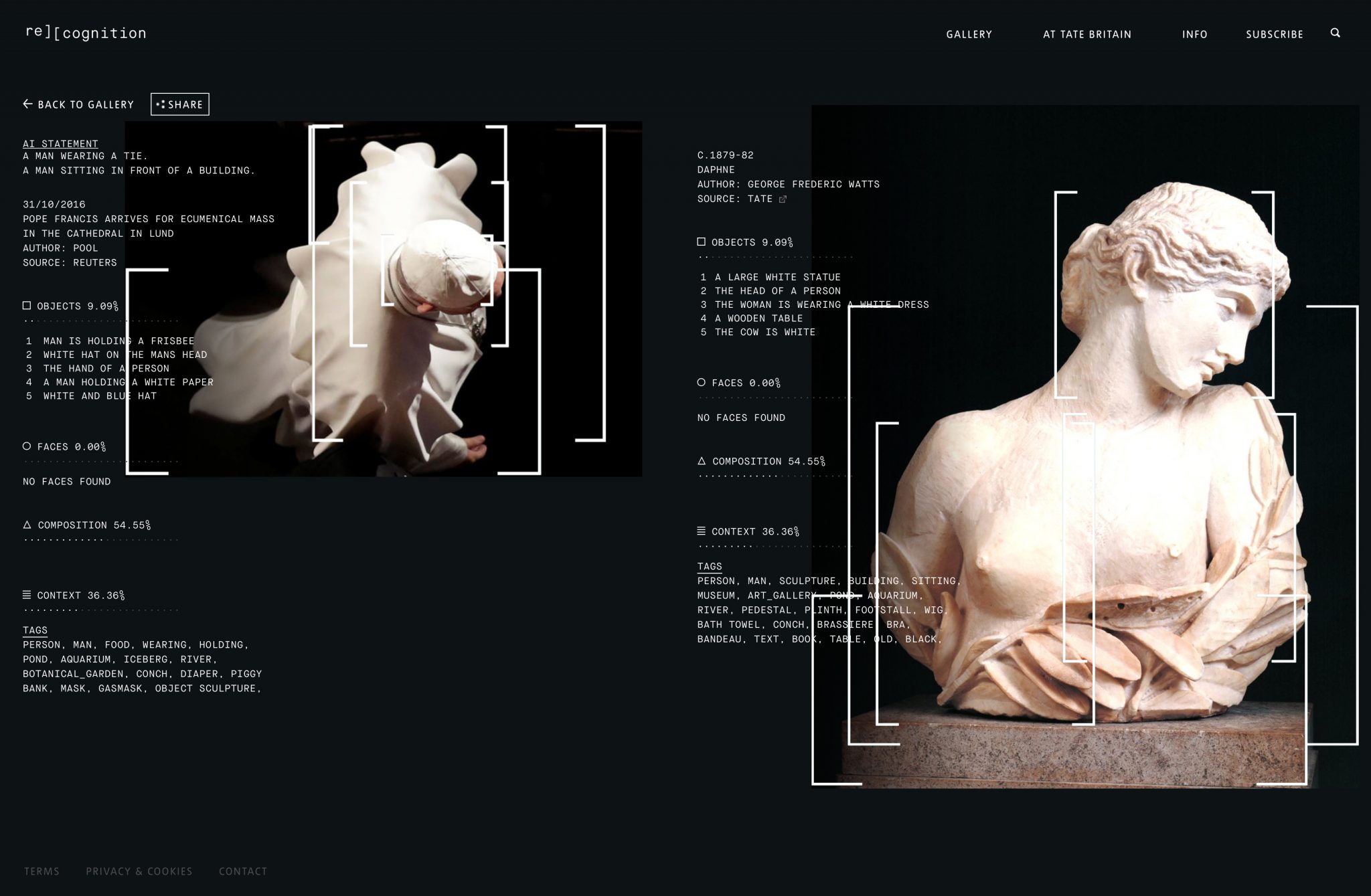 Artificial intelligence is now taking on the heady world of art with convincing canvases that firmly belong in an art gallery. Earlier last year, Redmond software giant Microsoft firmly moved beyond the “cold world of computers” to the warm environs of London’s Tate Museum to discover hidden pieces of spectacular artwork, through an AI algorithm.
The project manifested in the form of IK Prize—2016 and the participants were tasked with producing an algorithm that paired the Tate’s historic art collection with modern photojournalism from Reuters’ archive. The result was -- Recognition that brought to life rarely seen art works linked to everyday photos culled from Reuter’s photo archive. The winners, Fabrica and developers JoliBrain created a programme that discovered hidden links between art and current events.
Behind Recognition - the algorithm that found art in everyday events
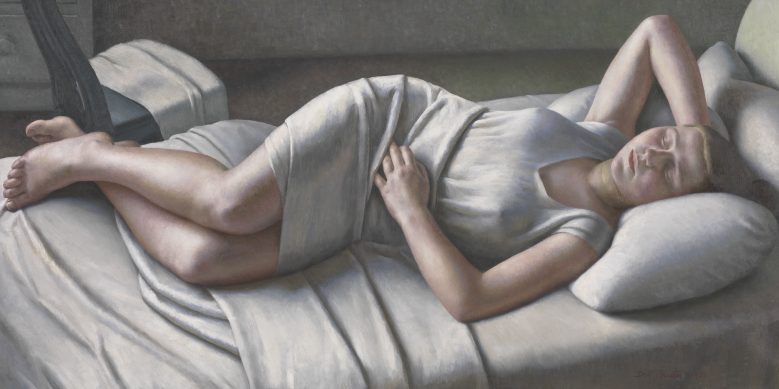
What’s art like in the world of AI?
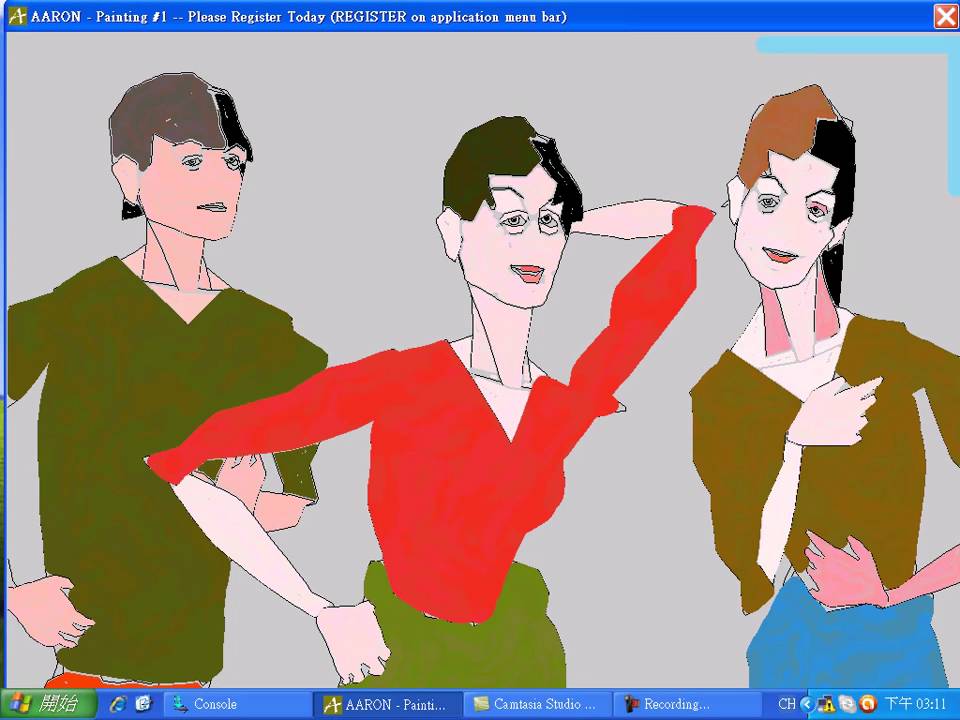 AI is certainly redefining the way the art world works. In fact, much before AI became a buzzword and entered our lexicon, Aaron, an AI-based program developed by artist Harold Cohen has been hard at work creating original pieces that have donned many a gallery wall, including Tate and Museum of Modern Art. Experts point out the AI program, somewhat of a colorist, making original paintings on a computer. Cohen wrote in a Stanford paper that AARON could well be the oldest continuously-developed program in computing history, and it was first developed in the mid-seventies. The earliest versions of AARON could do very little more than distinguish between figure and ground, closed forms and open forms, and perform various simple manipulations on those structures, Cohen revealed in the paper.
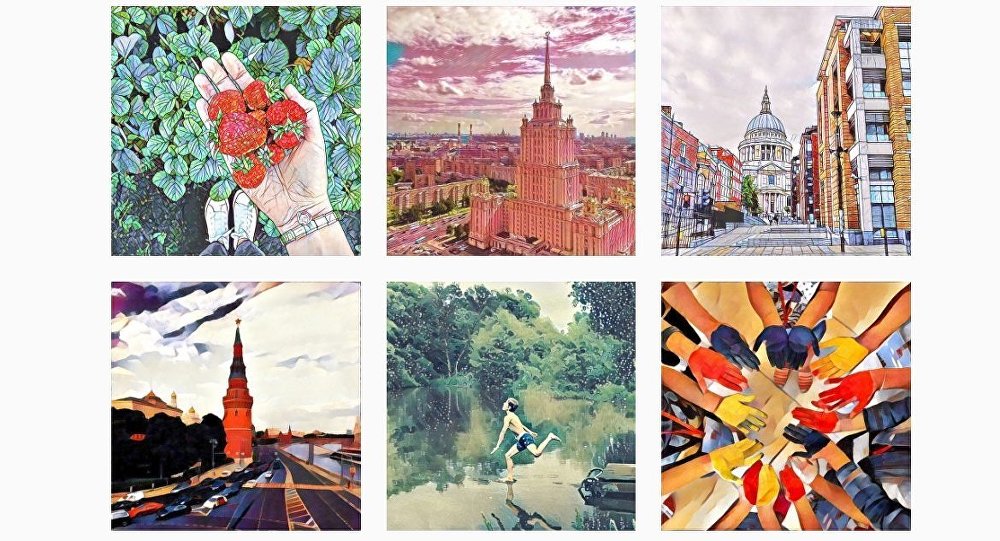
Google & a host of startups fuel AI-powered art styles
Spotted an error? Tell our editors. Read our editorial standards and corrections.