Key takeaways
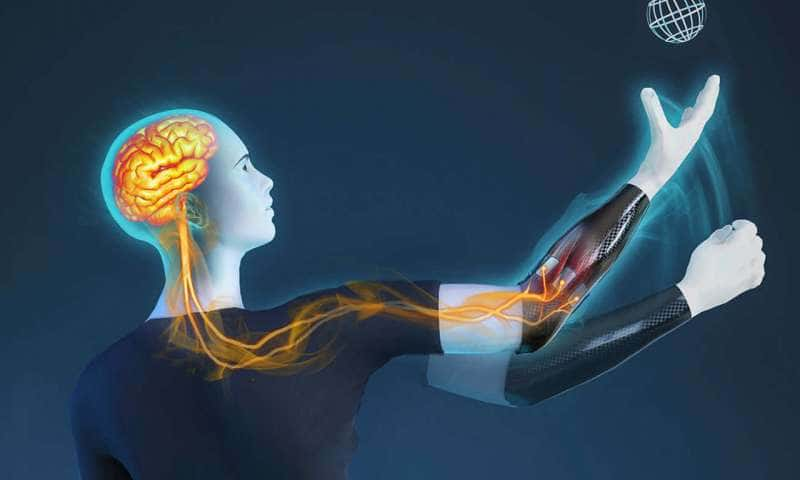
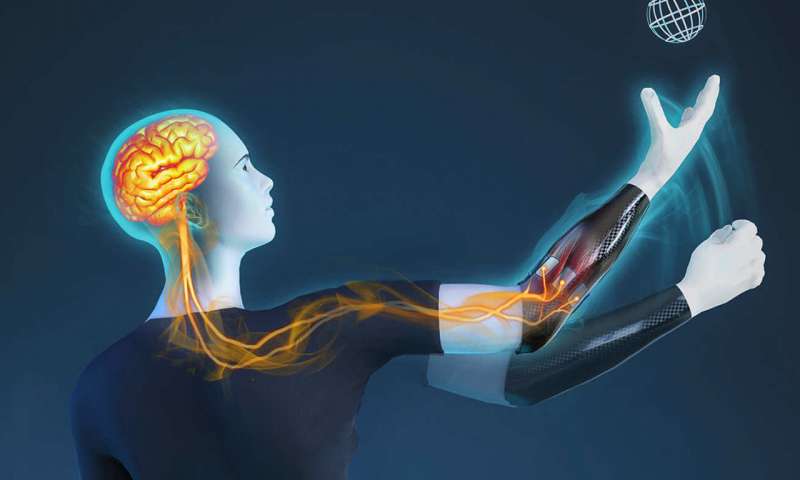
- An AI-based bionic hand developed by Imperial College London and the University of Gottingen learns from experience to enhance its functionality.
- Prototypes of the bionic hand demonstrated significant improvements when tested on five users, showcasing its potential in prosthetics.
- The bionic hand employs machine learning to interpret brain signals, enabling more fluid and natural movements compared to traditional prosthetics.
- Amputation rates are high, with a significant portion of individuals experiencing mental health challenges following limb loss.
Takeaways drafted with AI from the article text.