Key takeaways
- Baidu receives first permit for fully driverless robotaxi services in downtown Shanghai's Pudong area.
- Apollo Go aims to expand its driverless network in key urban centers, enhancing urban transportation.
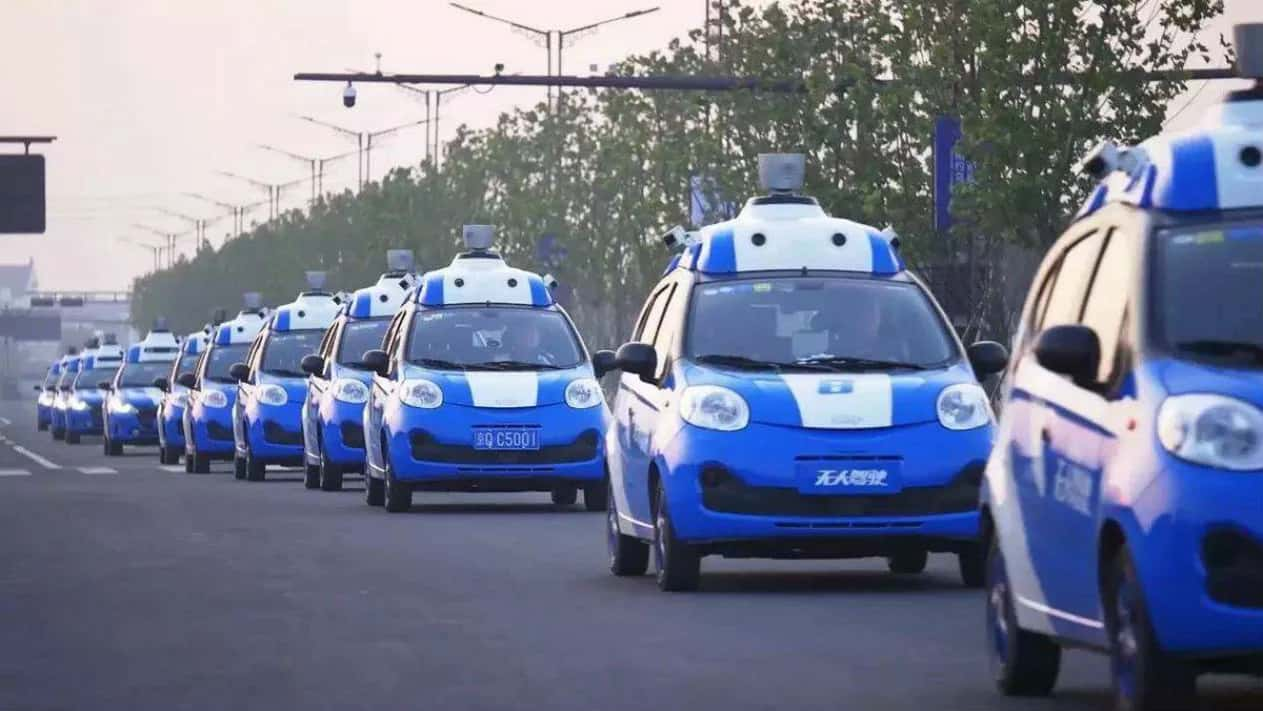
- Baidu's autonomous fleet includes over 1,000 vehicles operating in 15 cities globally.
- Service launch in Pudong will follow shortly after receiving the commercial permit.
- Apollo Go has completed over 11 million rides, demonstrating strong operational success.
Chinese multinational technology company Baidu received a permit on July 26 to operate fully driverless robotaxi services in Shanghai’s Pudong New Area. The permit was issued during the 2025 World Artificial Intelligence Conference (WAIC) and allows the company’s autonomous ride-hailing service, Apollo Go, to operate driverless on public roads in key areas of Pudong.
This marks the first approval for fully driverless commercial services in downtown Shanghai. Baidu plans to expand its Apollo Go services, making Pudong the newest area in its growing network of driverless cities.
Apollo Go began its Shanghai operations in Jiading in early 2023. In July 2023, the service received permits to test driverless vehicles on open roads in Pudong. It now has the green light to shift from testing to full commercial service in one of China’s busiest urban zones.
Baidu noted that its expansion into Pudong is backed by a “robust safety record” and aims to integrate driverless tech into the city’s transportation network. Pudong is a major financial and tech centre in Shanghai.
Baidu has not disclosed when full operations will begin, but confirmed that services would launch soon under the current permit. As previously reported, Baidu’s autonomous fleet comprises over 1,000 vehicles worldwide. The service operates in 15 cities, including Dubai and Abu Dhabi. The company has reported that as of May, Apollo Go has completed over 11 million rides.
Earlier this year, Baidu partnered with Uber to expand autonomous ride-hailing services globally. The collaboration aimed to integrate Baidu’s Apollo Go vehicles into Uber’s app in selected international markets.
This strategic move was seen as a step towards accelerating the commercial adoption of robotaxis beyond China, with both companies sharing mapping, safety and autonomous driving technologies.
In the first quarter of FY25, Baidu also reported a strong surge in revenue, driven by growth in its AI cloud and autonomous driving segments. The company highlighted Apollo Go as a key contributor to the performance of its intelligent driving division. At the time, executives stated that Baidu would continue investing in scaling its fully driverless fleet and expanding into new cities.
Spotted an error? Tell our editors. Read our editorial standards and corrections.