
What was initially brushed off as a normal flu, has now escalated into a global pandemic that has touched almost every corner of the world. It has exposed our infrastructure, strategies of our policymakers, and more. As the number of positive cases rise, experts have started looking at all tools at their disposal. Out of the many that were being leveraged, data analytics tools have become a popular favorite. From visualizations of the forecast to drug discovery, they are being deployed widely.
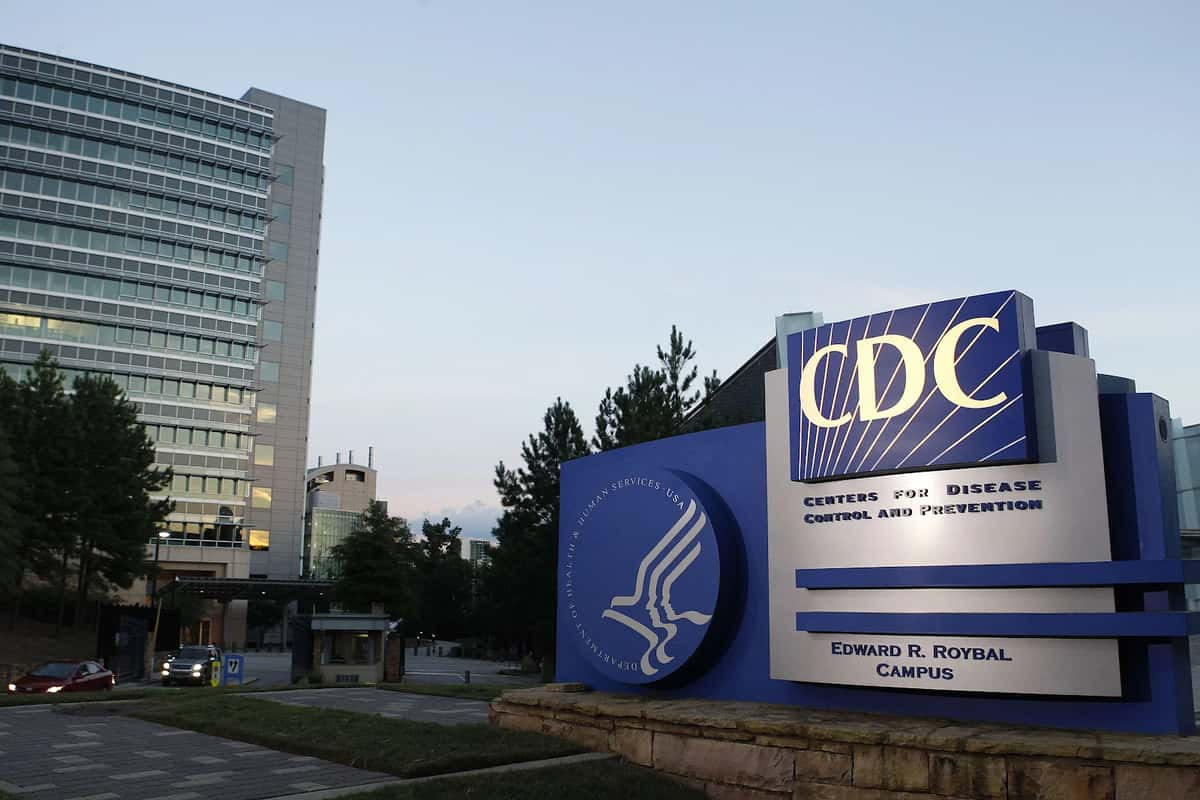
However, this has also exposed how devoid our healthcare system is of the latest advancements in AI and ML. In the United States, CDC (Centers for Disease Control and Prevention), a premier agency that oversees national public health institutes, has now released a notification for the recruitment of a Chief Data Officer.
According to the job post, the suitable candidate for the role of Chief Data Officer would:
- Provide leadership for advancing CDC’s public health data and its modernization
- Chart a course for CDC that will put them at the center of data science and advanced health science communities
- Ensure the ethical use of data for discovery, innovation, application and improvement
- Facilitate a data governance and standards structure through the implementation and oversight of an appropriate governance program
- Advise the CDC Chief Information Officer and other senior leaders on policy and technology changes and trends influencing public health practice
To have experts who have domain knowledge along with additional skills is a sound move, but the question here is - why did the topmost institute in one of the most developed countries not have a Chief Data Officer till now?
There is no doubt that the capabilities of ML are often exaggerated, and critical domains like healthcare need a seamless collaboration of both health experts and data scientists, which in itself is a gigantic task. But this should not have stopped an organization from having a well-equipped arsenal.
The lack of preparedness was combined with other lapses - by both CDC and World Health Organisation (WHO), which was accused of downplaying the effects of COVID-19. And they are only now scrambling to find the right strategy.
Expressing his elation regarding the decision of CDC, Jeff Dean, a Google researcher, tweeted his opinions outlining the role of ML in public health decision-making processes.
During his talk, which was delivered back in 2015 at CDC, Dean happened to interact with Dr Tom Frieden, former director of CDC. They discussed a few other kinds of approaches that were being used for data analysis.
I asked, “So how long does it take to process all the public data at CDC, say data that would be released under an FOIA (freedom of information act)request?”

Dean thought the duration would be in terms of a few minutes or an hour, but to his dismay, he found the answer to be close to 18 months.
While Dean agrees that collecting data in the healthcare domain is not as straightforward as in others, he is happy that data analytics is being taken seriously at the federal level. Duncan MacCanell, whose tweet got Dean talking, also emphasized on how tedious data collection is.
“To be fair, requests often include specific asks for email, lab notebooks, field journals, and other unstructured and painfully analogue data. It takes some serious time and effort to assemble, review, redact (as necessary - eg, personal identifiers) and release,” he tweeted.
Future Direction

The field of healthcare is data-intensive. Finding vast amounts of data and combining these disparate and complex sources of data for insights is an exhaustive process.
Applied AI has become quite popular in the healthcare industry over the past few years. The research has moved from paper to patient, especially in the fields of genomics and digital medicine.
ML is now being used to diagnose critical cases, like diabetic eye disease and metastatic breast cancer. However, no matter how improved the algorithms are, they will be useless unless a doctor finds the data sensible. The disconnect between the developers of tools and the domain experts still haunts our system, and unfortunately, it takes a pandemic to embrace extreme measures.
That said, there are a few challenges for the AI community in the field of healthcare, which can be summarised as follows:
- High running costs
- Finding the right mix of researchers with interdisciplinary knowledge
- Preventing bias
- Data privacy
A good start to address a few of these challenges would be to train next-generation healthcare professionals. A new breed of experts that excel in health data provenance, curation, integration and ethics of AI will accelerate the much-needed transformation.
- From Humanoid Robots to Telecom Trials, 12 Major Announcements at NVIDIA GTC Berlin 2026
- Anyone Can Make a Robot Move, Few Can Make It Stop
- After ISRO’s PSLV Failure, TakeMe2Space Looks to SpaceX for Reliable Launch
- Why AI Agents are the Next Frontier in Quantum Security
- Physical AI Squeezes Labour Market, And Low-Skilled Immigrant Jobs May Be First to Fall
- Rocket Math Isn’t Mathing: Why India’s Space Launches are Expensive