

Key takeaways
- Facebook has faced ongoing criticism for privacy violations and data misuse, notably during the Cambridge Analytica scandal.
- The introduction of end-to-end encryption on Facebook's platforms aims to enhance user privacy and security.
- Regulators, such as the US Justice Department, have paradoxically requested back doors to this encryption, raising concerns about data safety.
- The push for encryption reflects a broader tension between user privacy and regulatory oversight in the digital landscape.
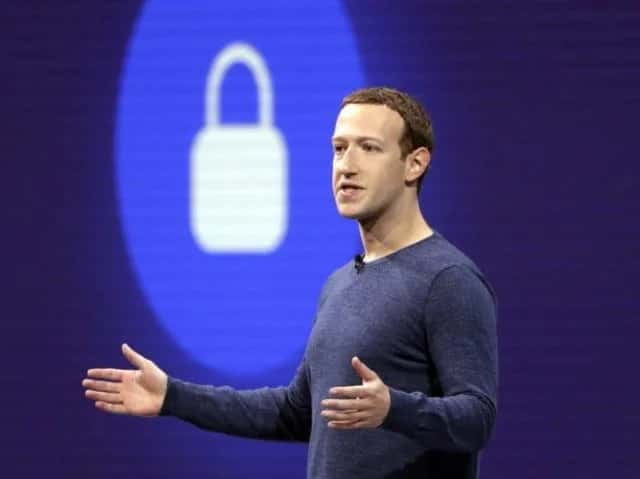
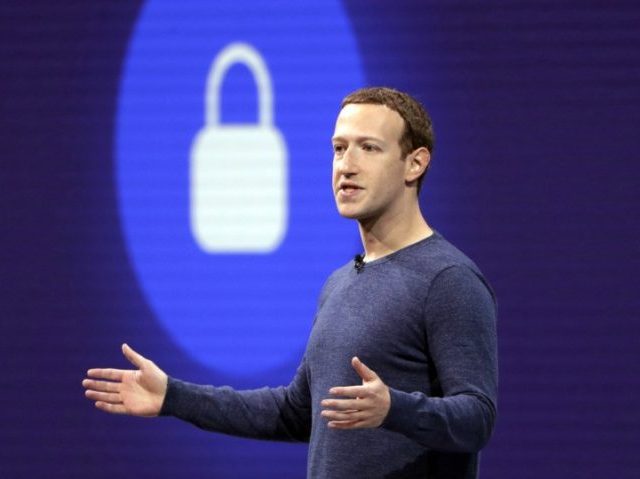 For a long time, Facebook has always been criticised for violations of user privacy, particularly by regulators in the US itself. When Mark Zuckerberg was asked to attend the US senate hearing, he was questioned repeatedly whether Facebook was collecting data of users or reading users’ messages on its platforms. There has been backlash over how the platform is used by people across the globe. The company was involved in a huge political scandal- the Cambridge Analytica instance where data of its users was being mined for years for political campaigns and agenda-setting. The platform was also found to have ties with Russian troll farms and political groups in India to create fake news campaigns.
To amend its past actions, the social media giant announced end to end encryption on their platforms which touch billions of users- Facebook, Instagram and WhatsApp. End to end encryption is very important to ensure third parties and hackers do not illegitimately gain access to communication between two people. Facebook’s end to end encryption is the best in class, which is good news for its users’ privacy.
