
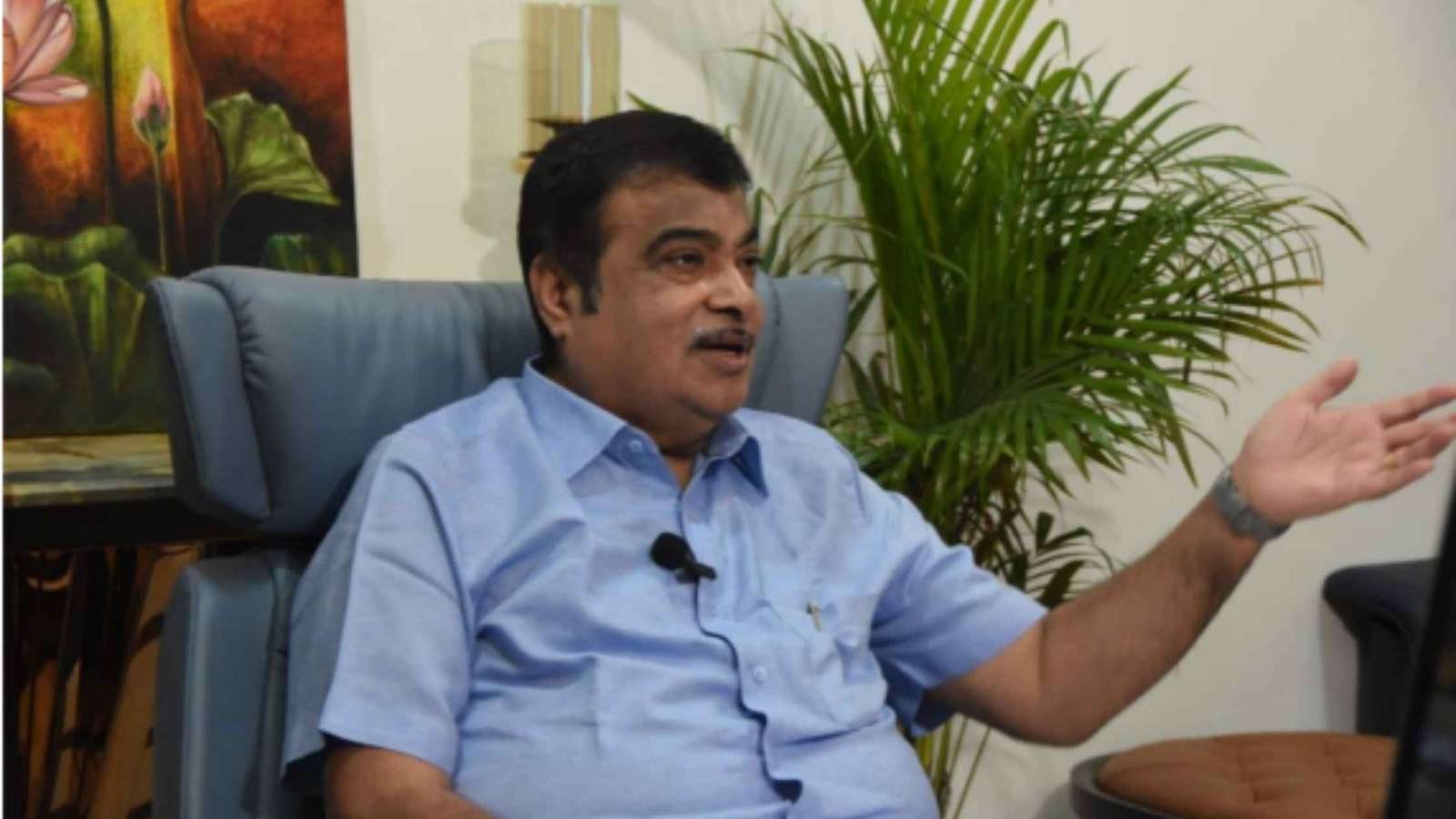
In a unique collaborative initiative, the government, the industry, and academia have launched Project iRASTE (intelligent Solutions for Road Safety through Technology and Engineering) in Nagpur.
Leveraging the power of AI - the project aims to achieve up to 50% decline in road accidents in Nagpur city and create a blueprint to Vision Zero for the country. Project iRASTE was launched by the Minister for Road Transport & Highways of India, Shri Nitin Gadkari.
The project is a joint initiative of Intel, INAI, IIIT-H (International Institute of Information Technology- Hyderabad), CSIR-CRRI (Central Road Research Institute), Mahindra & Mahindra, and NMC (Nagpur Municipal Corporation) together.
"Technologies such as artificial intelligence will play a transformational role in enabling smarter and safer vehicles, roads and drivers. Intel is committed to enabling road safety and reducing fatalities in India through the use of technology solutions. I am excited to launch Project iRASTE, a unique collaborative initiative that brings together critical players to drive road safety in Nagpur and develop a blueprint for country-wide adoption towards Vision Zero," Nivruti Rai, Country Head, Intel India and Vice President, Intel Foundry Services.
Project iRASTE focuses on three key aspects - vehicle safety, mobility analysis and road infrastructure safety. It uniquely leverages the expertise and capabilities of each of the partners:
- Intel India brings onboard Advanced Driving Assistance Systems (ADAS) technology.
- CSIR-CRRI brings domain expertise in road engineering.
- IIIT-Hyderabad is undertaking AI-based research to address population-scale road safety through the INAI centre for applied AI research.
- Mahindra & Mahindra, with their vast experience of driving major road initiatives, will conduct road safety public awareness programs and driver training in Nagpur.
About the project, Dr Shekhar C. Mande, DG, CSIR, said, "This is a wonderful example of multi-institutional collaboration between different partners from academics, industry and government with complementary skills to address the problems faced by society daily. I am glad to note that CSIR - Central Road Research Institute (CRRI), a pioneer in introducing the road safety audit programs on national and state highways and having completed the road safety audit of almost 9000 km, will be providing necessary technical guidance in this project. They will help identify the accident-prone locations and evaluate the drivers' behaviour before and after the installation of CAS (Collision Avoidance System) in their vehicles. This project being in Nagpur will certainly be a milestone in tackling the issue of road safety in India through the intervention of advanced technologies and can be emulated in different cities as well."
Under this project, Nagpur Municipal Corporation's fleet of vehicles will be equipped with collision avoidance technology to reduce accidents and near misses by up to 60%. Sensors in these technologies will also help map the dynamic risk of the entire road network (grey spot map) for the first time. Road maintenance agencies can use such information to prevent accident-prone zones (black spots) before claiming lives.
- Anthropic Posts $17 Bn in Q3 Revenue, Swings to Operating Loss
- OpenAI Signs Four Agreements With Abu Dhabi Across Government, Energy And Investment
- Deep-Tech and Green Finance to Drive India’s Climate Investments in 2027
- Google’s Project Suncatcher Satellite Generates First AI Response in Orbit
- DeepSeek Proposes Super-Agent Architecture to Automate AI Coding Workflows
- Arrowhead AI Launches Fletch Voice Model for Multilingual Customer Calls