The Delve Controversy Reminds One of Builder.ai and the Pitfalls of AI Hype
By Smruthi Nadig ·
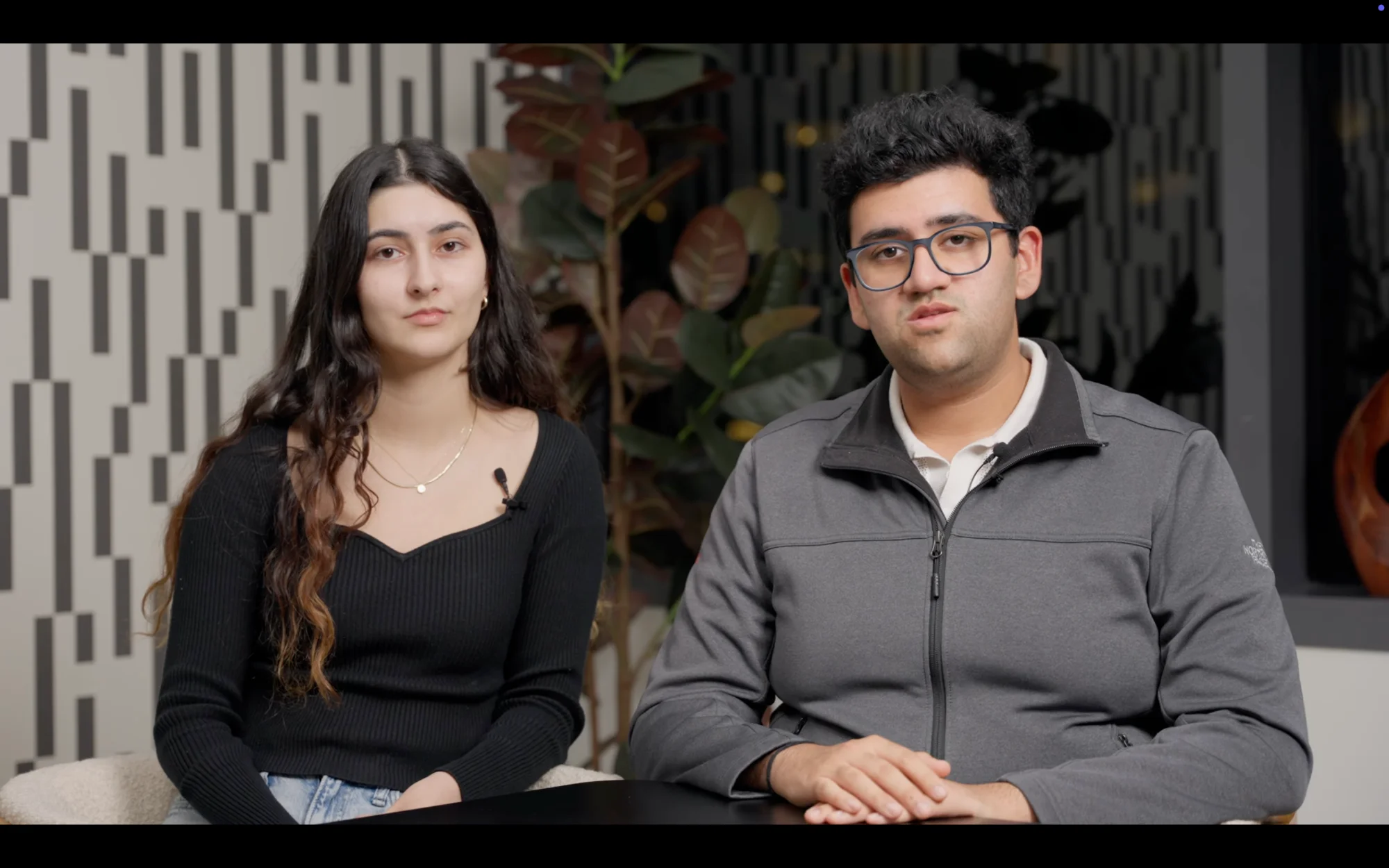
San Francisco-based AI startup Delve is facing intense scrutiny after anonymous allegations, community backlash, and a high-profile split with Y Combinator (YC). The controversy has raised larger questions around trust, automation, and accountability in AI-led compliance tools.
The controversy surrounded an anonymous whistleblower alleging that Delve had misled “hundreds of customers” into believing they were compliant. The Substack post claimed that compliance reports may not have undergone proper auditing and that documentation could have been templated or pre-generated in misleading ways.
Additionally, a reported screenshot of a message from YC CEO Garry Tan on Bookface, a platform used by YC founders for networking, suggests that the firm was asked to depart, despite Delve co-founders Karun Kaushik and Selin Kocalar denying claims and insisting that the allegations stemmed from a coordinated cyberattack using stolen and misinterpreted data.
“We have asked Delve to leave YC. YC is a community, not just an accelerator," Tan wrote on Bookface. “The founders in our community have to trust each other, and we have to trust them. When that trust breaks down, there's really only one thing to do.”
Delve confirmed the separation, with Kocalar stating that “YC and Delve have parted ways,” while reiterating that the company is being unfairly targeted.
“The anonymous posts rely on a mix of fabricated claims, cherry-picked screenshots, and data taken out of context,” Delve claimed in a statement.
YC and Delve have parted ways.
I still remember the day we took our YC interview at MIT.
We’re so grateful to the community and every founder friend we’ve made.
We'll continue to support every young founder striving to make the world a better place. pic.twitter.com/YQq5sIPwI5
— Selin Kocalar (@kocalars) April 4, 2026
Founded in 2023 by Kaushik (CEO) and Kocalar (COO), Delve built its pitch around automating regulatory compliance, particularly SOC 2 workflows, for startups. The company scaled quickly, raising $32 million at a reported valuation of $300 million in July 2025 and onboarding hundreds of clients, according to its own disclosures.
Allegations vs Delve’s Response
At the core of the issue is whether Delve blurred the line between compliance enablement and certification.
In a detailed rebuttal published on its website, Delve stated: “Delve does not conduct audits or issue ‘fake’ SOC 2 reports.” It added that “all audit opinions are issued by independent, licensed CPA firms,” positioning itself strictly as an automation layer rather than a certifying authority.
In an accompanying video statement, Kaushik doubled down, describing the situation as a targeted attack. “This is a coordinated smear campaign by a malicious actor, not a whistleblower.”
Kocalar echoed this stance, arguing that much of the criticism misunderstands how compliance tooling works. “Templates, automation, and pre-filled controls are industry standard. They are starting points, not final evidence,” she said, adding that customers remain responsible for validating and completing compliance workflows alongside auditors.
At the same time, Delve acknowledged operational gaps amid rapid scaling; however, the founders asserted that it did not amount to fraud or fabrication.
Responding to the use of open source tools, Delve said it “built on an Apache 2.0 open-source repository, which explicitly permits commercial use, and significantly rebuilt it for compliance use cases.”
Reddit Backlash and Open-Source Scrutiny
The controversy has unfolded just as intensely across online communities. A widely circulated Reddit thread titled “I will not promote Delve (YC W24 startup)” on r/startups amplified scepticism around the company’s claims.
One user alleged, “It feels like they’re selling ‘SOC 2 in a box’, but compliance doesn’t work like that.”
Another comment questioned the speed of delivery. “If you’re getting compliant in days, either you’re already perfect, or something’s being skipped.”
Others pointed out that pre-filled evidence and templates could create a false sense of completeness, especially for early-stage founders unfamiliar with compliance nuances. However, some users defended Delve, noting that automation and standardisation are common across compliance platforms and that responsibility ultimately lies with auditors and clients.
A Broader Pattern
The Delve controversy also reflects a deeper tension in AI startups: the race to scale versus the need for verifiable integrity.
Similar concerns have surfaced globally.
Builder.ai faced scrutiny over claims that its “AI-powered” development relied heavily on human engineers, raising questions about misrepresentation. However, the company denied these allegations, clarifying that human engineers were always part of its model, and continued raising capital and operating globally. However, the scrutiny dented its credibility and sparked ongoing debate about transparency in “AI-powered” startup marketing.
More recently, AI startup Puch AI has also been accused of exaggerating its capabilities and relying on external work. The Uttar Pradesh government cancelled a ₹25,000 crore ($2.7 billion) memorandum of understanding with the company shortly after announcing an ambitious project, citing concerns about its financial credibility and due diligence gaps.
The parallels are notable, particularly for Indian-origin founders building global startups. For India’s startup ecosystem, these controversies raise a larger issue: intellectual credibility.