Key takeaways
- Waymo is actively contributing to the autonomous driving market through partnerships and public ride programs.
- The company has open-sourced a comprehensive multimodal sensor dataset for autonomous driving research.
- The dataset features a wide range of driving environments, including various weather conditions and times of day.
- Researchers consider this dataset to be the largest and most diverse ever released for self-driving technology.
- Waymo aims to facilitate advancements in autonomous technology by sharing this valuable resource with the research community.
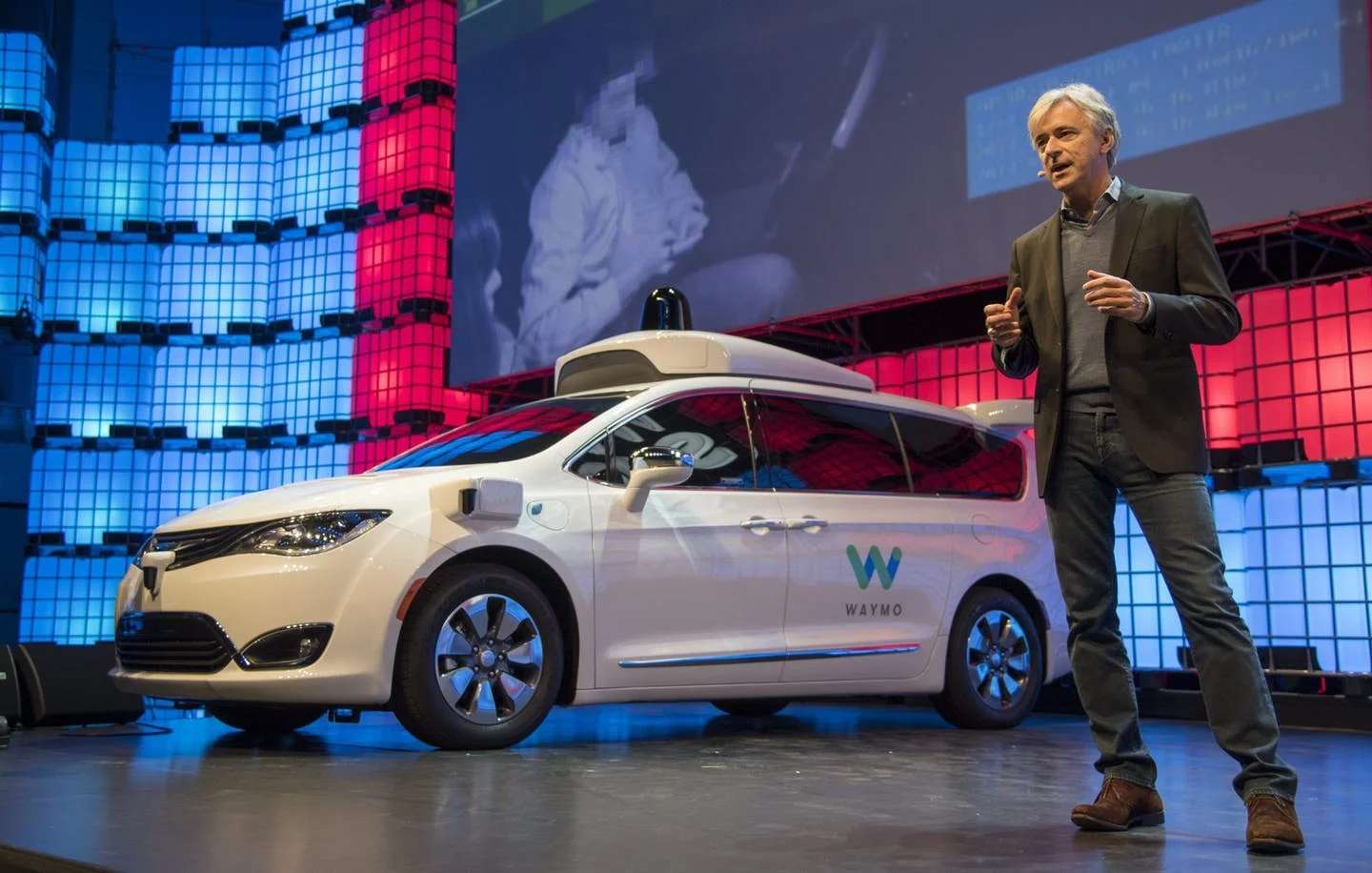
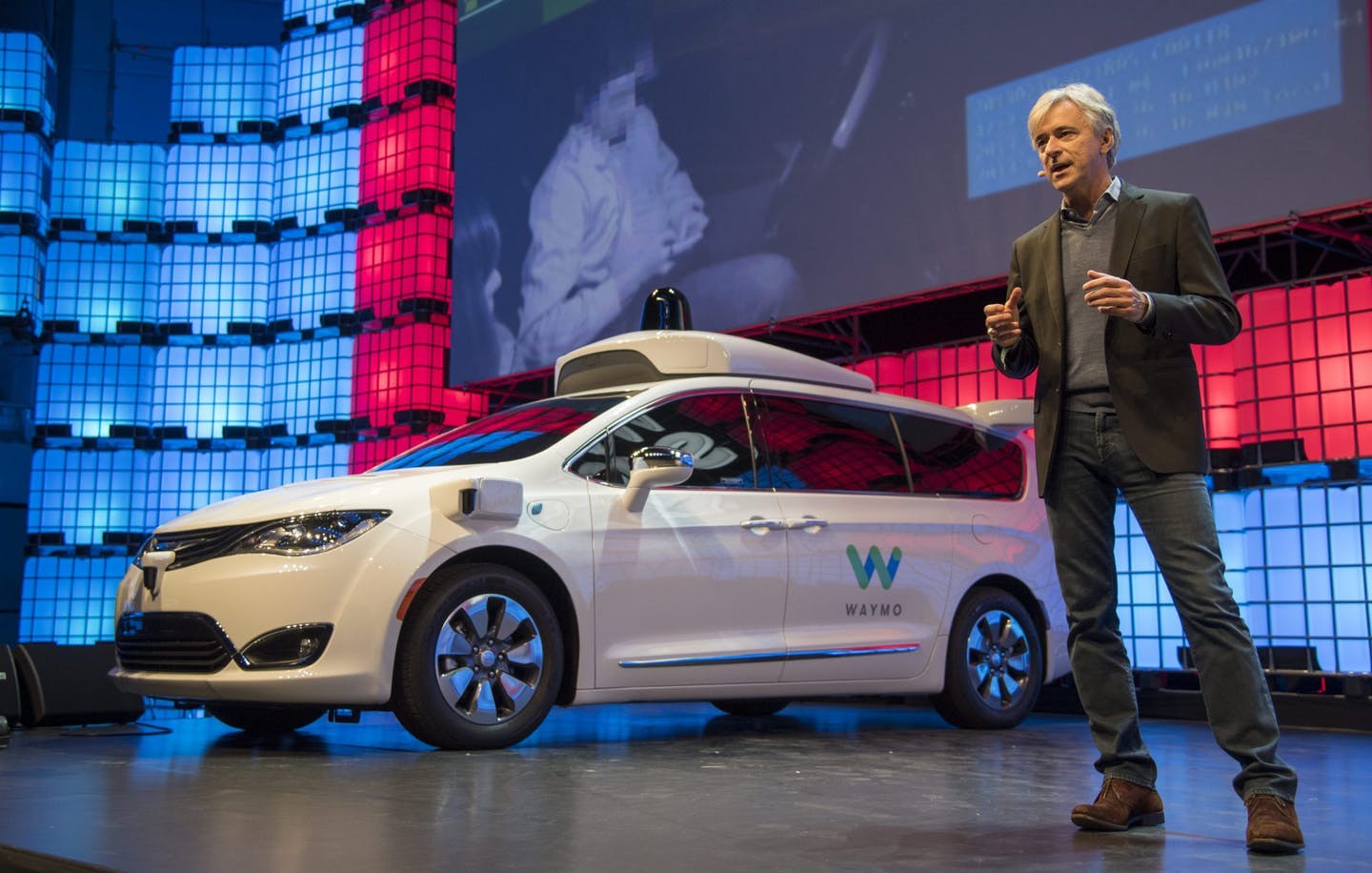 Alphabet’s autonomous driving subsidiary Waymo is one of the most promising players in the self-driving market. From joining hands with other car manufacturers to offering general public rides in early rider program, Waymo is pushing hard to make an autonomous reality in public.
Yesterday, Waymo open-sourced high-quality multimodal sensor dataset for autonomous driving. The dataset is extracted from Waymo self-driving vehicles and covers a wide variety of environments, from dense urban centres to suburban landscapes. The collection is comprised of different times including sunshine, rain, day, night, dawn and dusk.
According to the researchers, this dataset is believed to be the largest, richest and most diverse self-driving dataset ever released for the research communities. The main purpose behind open-sourcing this dataset is to make advancements in the field of autonomous tech. Some of the important features of this dataset are mentioned below
Diverse Driving Environments: This dataset covers a large area of a dense environment which includes San Francisco, Phoenix and many other places at different times of a day including sunny and rainy days
Size And Coverage: The dataset contains 1000 types of different segments where each segment captures 20 seconds of continuous driving, corresponding to 200,000 frames at 10 Hz per sensor
High-Resolution (360° View): Each segment in the dataset contains sensor data from five high-resolution Waymo LiDARs and five front-and-side-facing cameras
Dense Labelling: The dataset includes LiDAR frames and images with various objects such as vehicles, pedestrians, cyclists, and signage carefully labelled, capturing a total of 12 million 3D labels and 1.2 million 2D labels
Camera-LiDAR Synchronisation: The researchers at Waymo use 3D perception models that fuse data from various cameras and LiDAR such that the hardware and software work in a seamless manner.
Advantages of This Dataset
This dataset has several advantages which will help the autonomous research community to work and enhance the existing self-driving research besides impacting other domains like computer vision and robotics. Some of them are mentioned below:- With this dataset, researchers will get an opportunity to develop intelligent models which can be used to track and predict the behaviour of other road users
- The data has the potential to assist the research community to make advances in 2D and 3D perception
- Utilising this dataset, the autonomous manufacturers can make progress in areas such as domain adaptation, scene understanding and behaviour prediction