Key takeaways
- Cloud technologies are evolving to address diverse challenges across various sectors, including shipping and retail.
- Flexibility in computational demands is essential for delivering real-time results across applications and users.
- AI functionalities like vision and speech are increasingly integrated into organisational operations, necessitating robust data management tools.
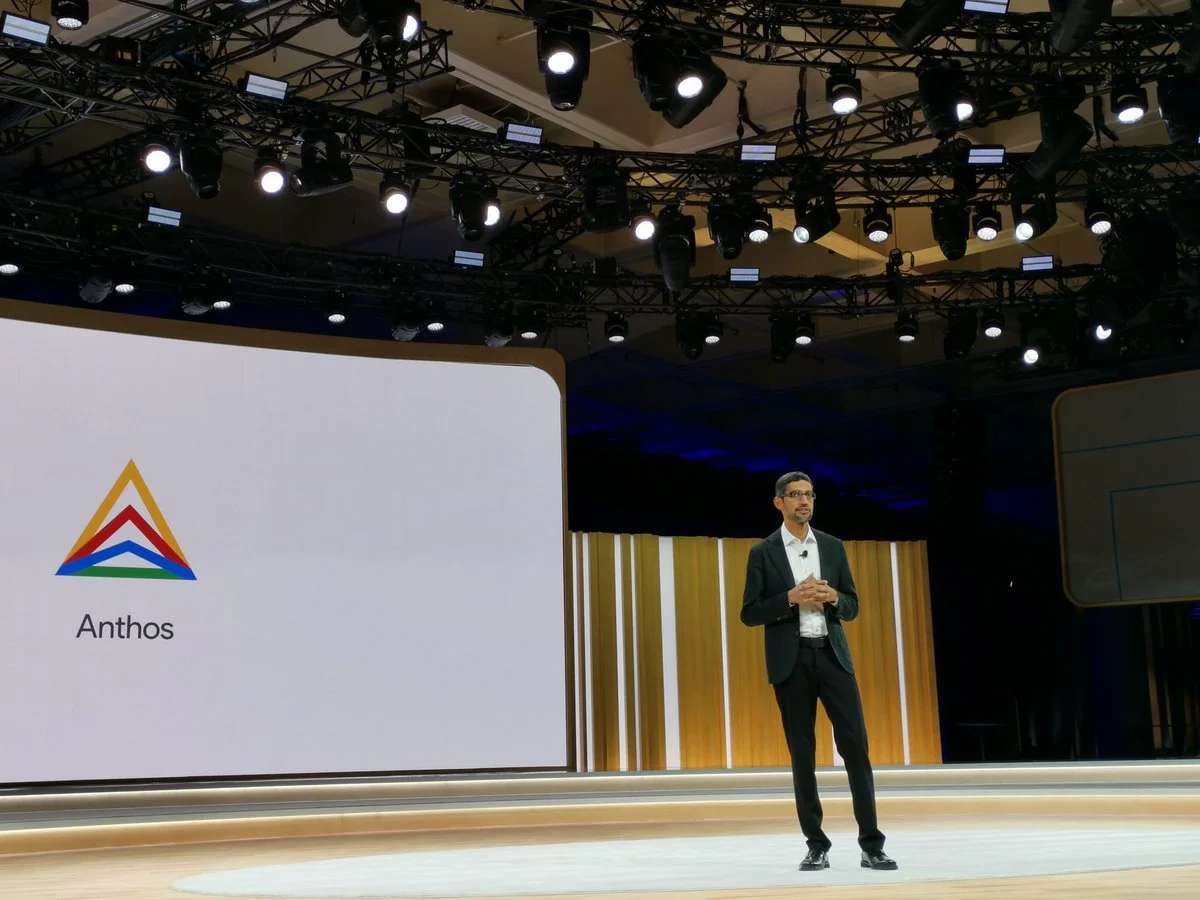
- Google's Anthos offers a hybrid cloud solution that operates on Kubernetes, facilitating application management without the need for modifications.
- Anthos enables seamless workload management across both hybrid cloud and on-premise environments.

What Does Anthos Get Right
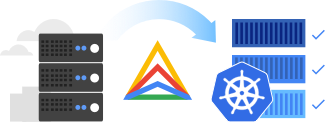 To reduce complexity Anthos enables decoupling of infrastructure and other services. This reduces cost and increases developer velocity. This is achieved with the help of Kubernetes and containers.
Containers provide isolation among different applications in the same machine.An application is packed independently from the infrastructure along with the libraries and other dependencies.
As the complexity of applications grows, pods of Kubernetes come into play. Pods form a cohesive unit of containers consisting of multiple processes. The decoupling becomes easy as these pods contain the IP addresses of each of the constituents in the cluster.
For configuring these applications, Google uses restricted language YAML and is automated using controllers. This eliminates the failures and complexities that arise from using other languages like Python.
Along with scalability and simplicity, Anthos also has to ensure the security of the transaction. And, Google has pioneered the zero-trust access security model to maintain consistent user experience. Along with this, the proxy-gateway approach also helps to ensure the service providers to efficiently deploy APIs on cloud in the backend.
Key Takeaways From Decoupling
The team behind Anthos at Google Cloud, lists the following properties that enable play on go kind of feature for Anthos:- Basic services in Kubernetes that decouple services from pods, allowing each to evolve independently.
- Istio proxies to provide capabilities, including security and telemetry, across all services in a uniform way that is decoupled from each services’ source code.
- Proxy-enabled policy deployment and enforcement decouples the management of policies from specific services so that policies can evolve without service disruption and security posture can be improved without infrastructure changes (via policy as code)
- The use of services as the unit of deployment that often correspond to specific teams, allowing teams to operate more independently. This may result in hundreds of services for a large-scale application, the Kubernetes and Istio service infrastructure makes it simple to manage.
Spotted an error? Tell our editors. Read our editorial standards and corrections.