Key takeaways
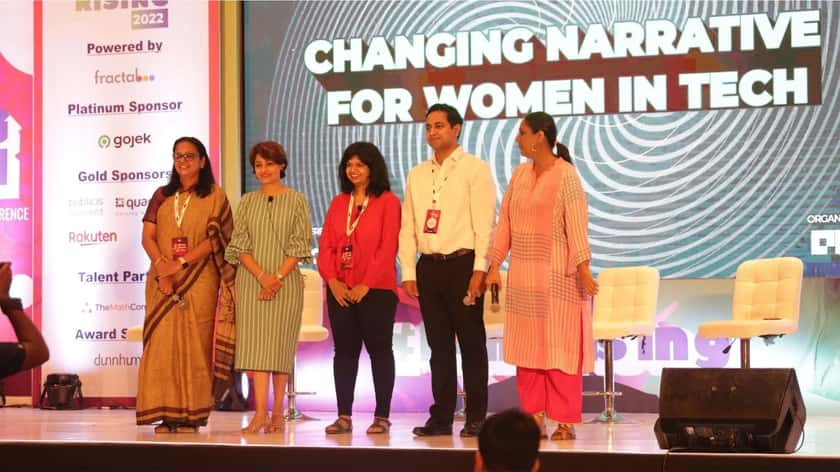
- The Rising 2019 highlighted the challenges women face in analytics, data science, and AI.
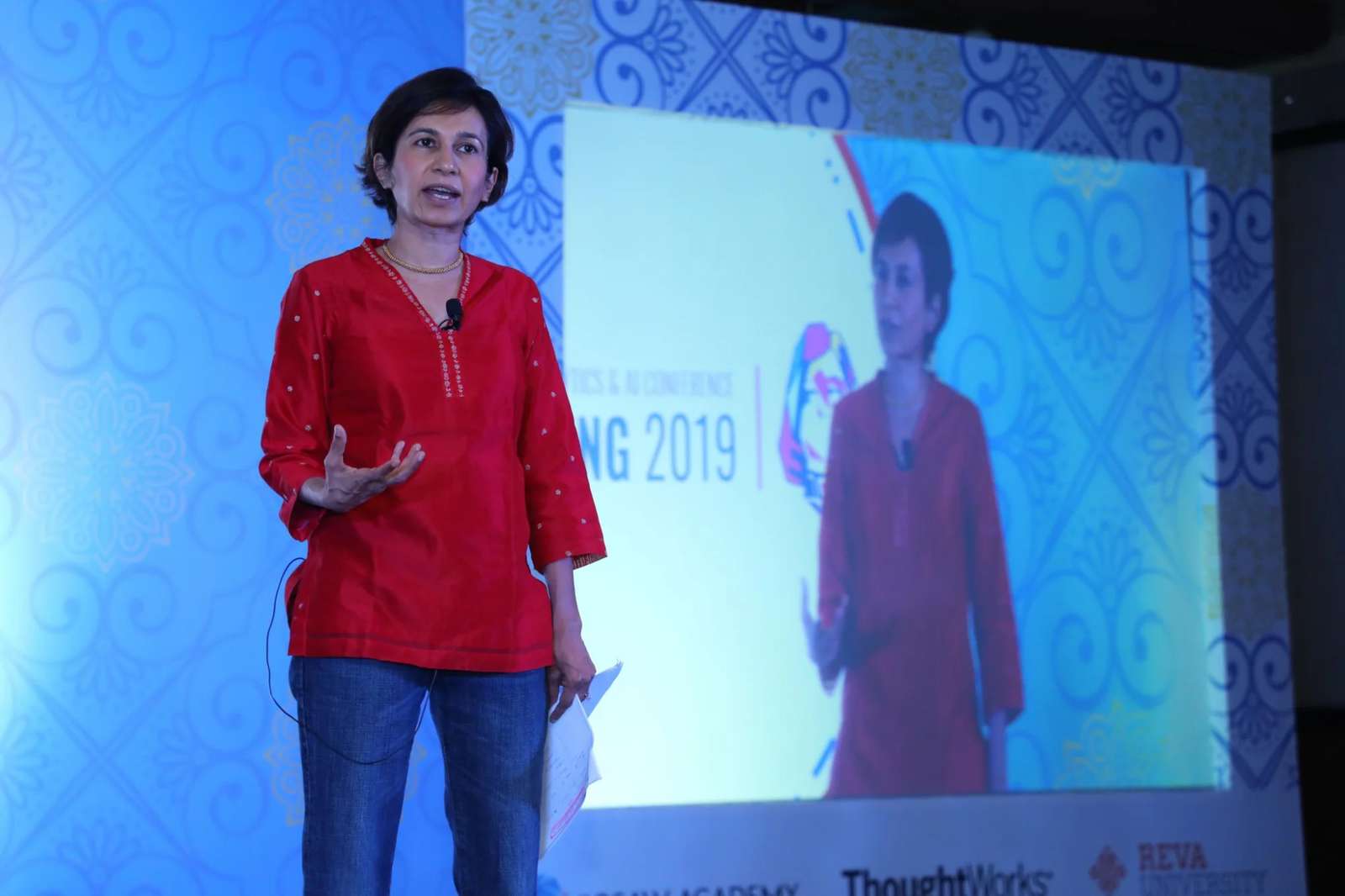
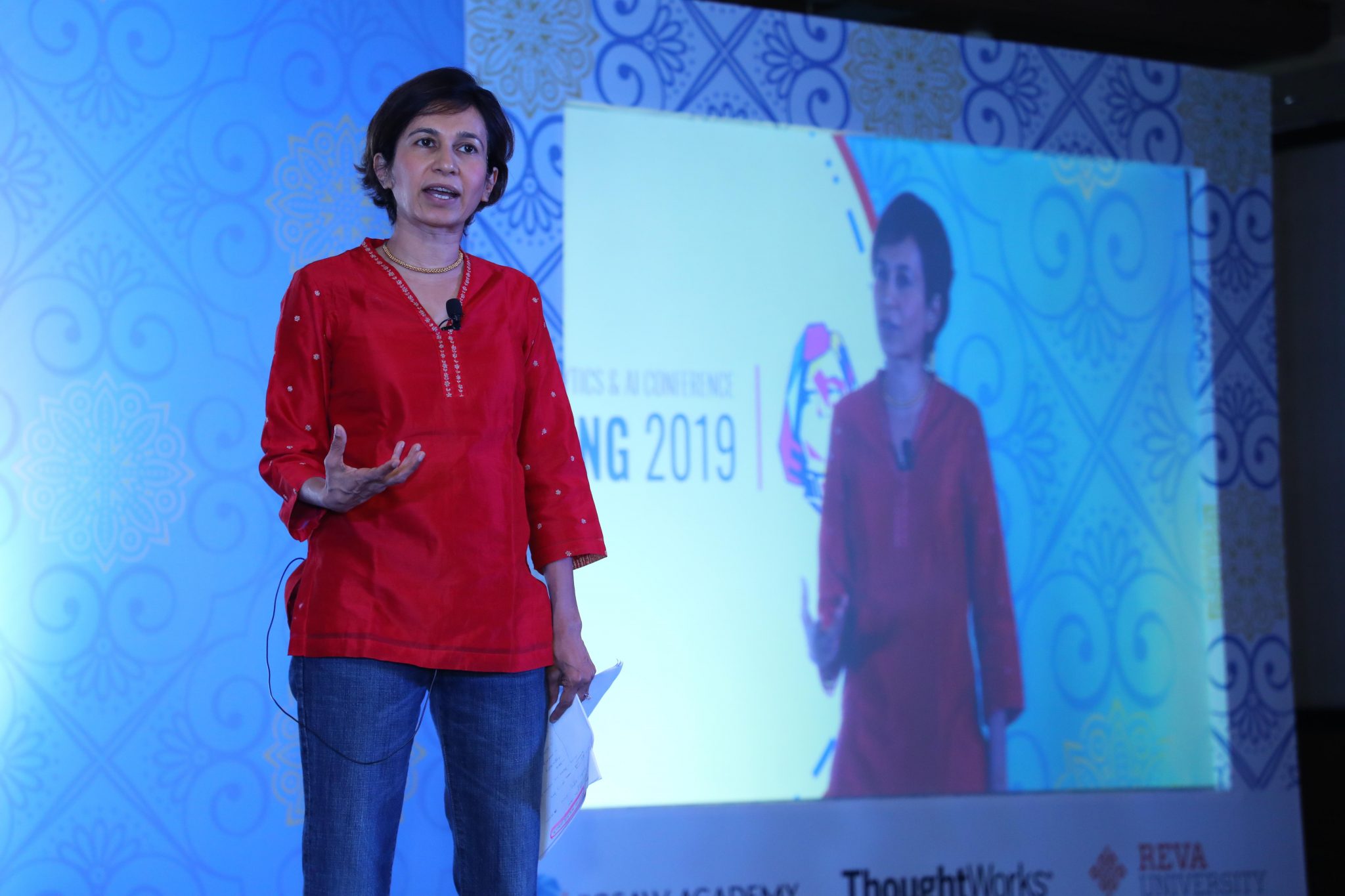
- Keynote speaker Saraswathi Ramachandra discussed how sexism and gender bias influence AI technologies.
- The event emphasised the need for diversity to combat bias in emerging technologies.
- Discussions focused on understanding biases and exploring solutions to prevent them in AI.
Is AI sexist?
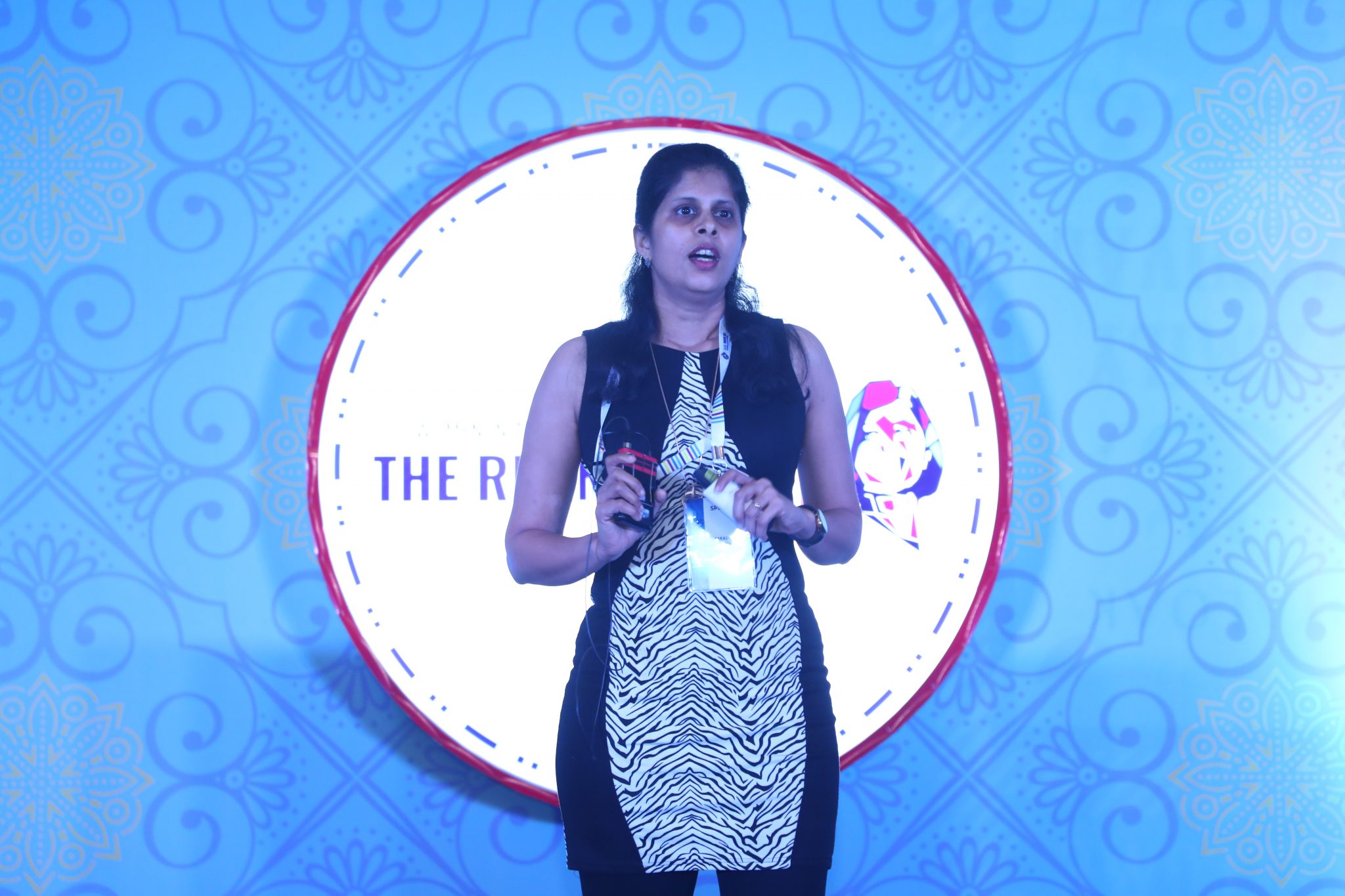
She mentioned how some of the most noted chatbots and voice assistants such as Alexa, Cortana or Siri have a female voice. Not just this, but some of the newer applications such as Google Translator, or the use of AI for hiring have also exhibited biased results. The AI recruiting tools by Amazon was recently stopped as it started creating a bias against women candidates. Similar instances are seen in facial recognition systems or even in making business decisions. For instance, in banking, the systems generate less credit rate of women who earn equal to men and loans of women or single women are often denied as the data on which these are trained is bias. “We have a bias, and AI inherits it,” said Ramachandra. A similar sentiment was echoed by Vaishali Kasture, Co-Founder at Sonder Connect who has a diverse experience of working with AI on the business side of it. Having worked with AI in areas such as enabling financial inclusion for women or automating businesses processes with AI, she shared a similar point as to how women are often declined a credit score. “The problem she stated is with the AI models that have been trained on historical data that may not be completely relevant for today’s age. What happened in past is not a prediction of what happens in the future. Historical data is not always right to train ML models,” she said. For instance, drug trials are failing as they don’t have women insights and data. The same is happening with a lot of other things such as self-driving cars, recruiting etc. She stressed on the need to have a diversity in data. Smitha Ganesh, Principal Consultant - Data Scientist at ThoughtWorks also spoke about fighting Prejudice in artificial intelligence. She said, “AI isn’t dangerous but the human bias is! One must be cognizant about any unintended consequences of using this technology, “ she said. There may be a compounding effect during the emergence of AI, as the algorithms exhibit self-learning from data.How Can Technological Sexism Be Combated?
Both Ramachandra and Kasture believe that the best way for combating sexism is to have diverse data science teams. “It is important to analyse data and not make it a black box. The datasets should be analysed and filtered while ensuring that dataset is large, diverse and accurate,” said Ramachandra. Ganesh too stressed on a diversity-inclusive mindset for data collection to fight this prejudice and taking AI to an elevated level, recognising the vitality involved with AI training systems. “If we need to make AI safe in the future it is important to develop a way where AI models can have a blue tick mark, similar to how social media have for verified accounts, only this time the verification should be given by women, said Kasture in closing.Spotted an error? Tell our editors. Read our editorial standards and corrections.