Key takeaways
- Facial recognition technology is widely adopted but raises significant privacy concerns among citizens and experts.
- Hong Kong police are alleged to have used facial recognition to profile protesters, despite denying such practices.
- Concerns about the misuse of facial recognition technology have intensified amidst ongoing protests in Hong Kong.
- The integration of this technology in law enforcement has sparked debate over its implications for civil liberties.
Computer vision is among the most embraced technologies around the world because of its use cases in the real world. More notably, facial recognition through computer vision is proliferating in various mobile manufacturing firms as well as governments. The integration of this technology is endless, thereby making it the most useful technology today. However, many people are critical of facial recognition due to privacy concerns. Many tech experts are sceptical about the security risk and see it as a threat to society.
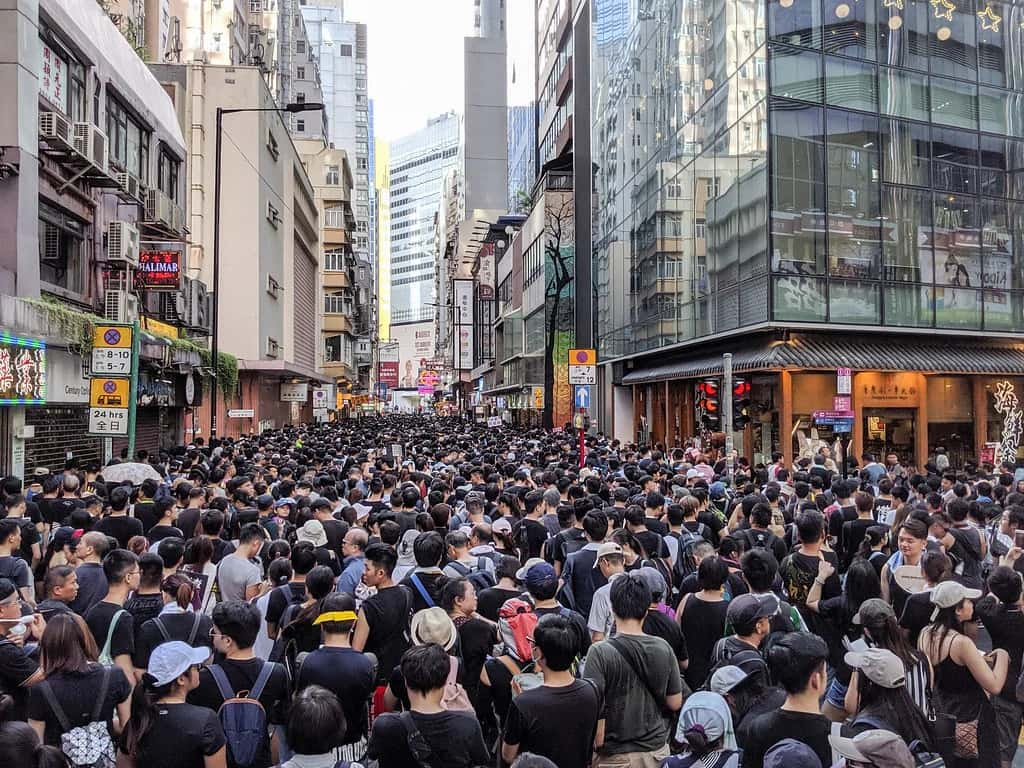
The question of the use of facial recognition has again gained steam with the allegations of Hong Kong police using it to profile protesters. According to a newspaper, Hong Kong cops have been using this technology across China since at least for the last three years in collaboration with the iOmniscient, a Sydney-based video analytics firm. Though this was used to find individuals and immigration control, as per the law, the police are required to inform the protestors if they are using it to surveil them.
Although the police have denied the use of technology for restraining protesters, it is believed that they have the use of facial recognition technology. This has raised concern among people and tech experts who have been voicing about such misuse of facial recognition technology.