

India’s private space sector is increasingly moving beyond building satellites and launch hardware. Startups are now developing specialised sensors, imaging systems and computing platforms designed to turn space into a source of usable data.
That shift will be visible aboard SpaceX’s Transporter-18 mission on October 1, which carries several Indian-built technologies into orbit. Among them are SatLeo Labs’ thermal imaging payload TAPAS-1 and EON Space Labs’ multispectral imaging system MIRA (a 502-gram multispectral imaging system), each designed to capture a different view of Earth.
The mission also carries TakeMe2Space’s orbital computing satellite and Google’s Project Suncatcher, putting sensing and computing technologies on the same ride. For these companies, however, the launch is only the beginning. The real test starts once their hardware reaches orbit.
What SatLeo Wants to Prove
For Ahmedabad-based SatLeo Labs, getting TAPAS-1 into space is only the start. The company wants to establish whether its thermal sensing and analytics stack can work reliably from orbit.
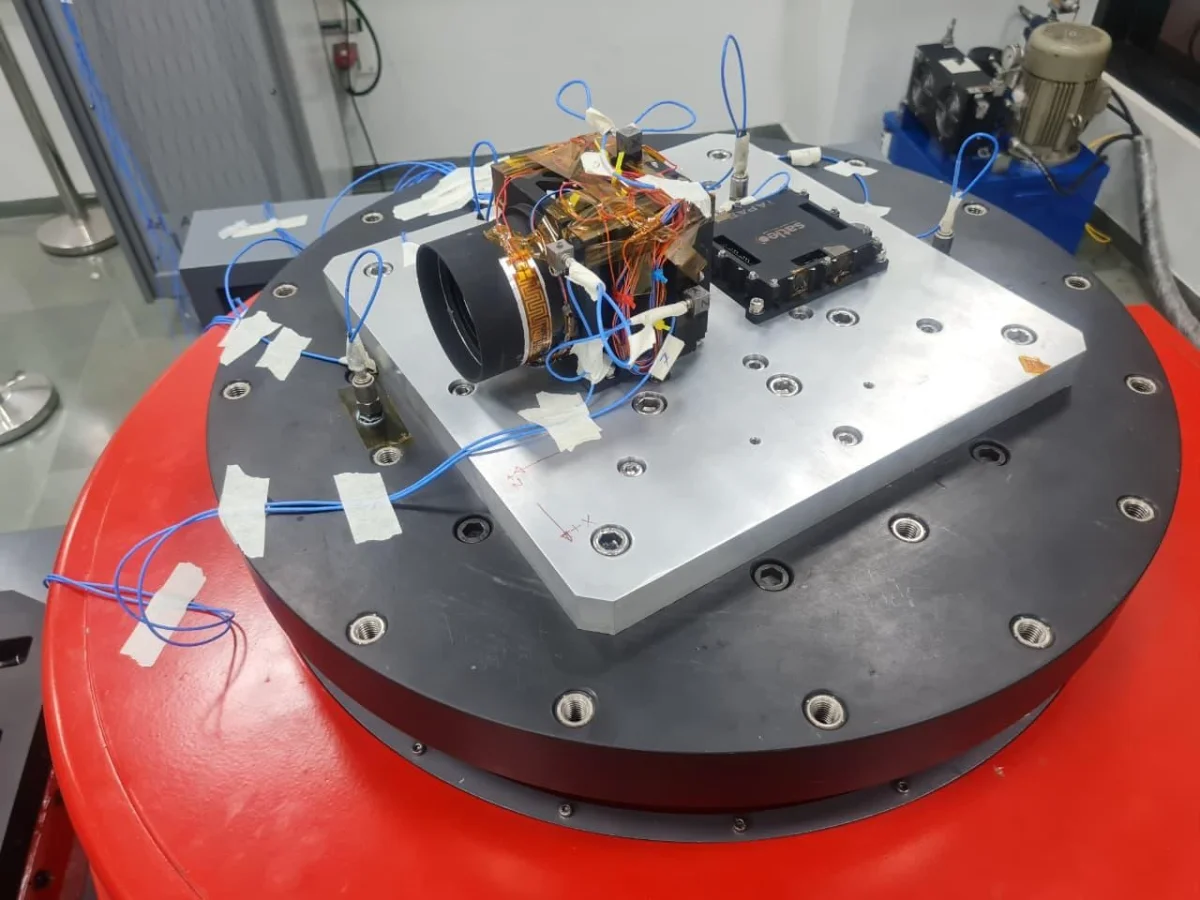
TAPAS-1 uses long-wave infrared sensing to capture temperature information that conventional optical imagery cannot see. SatLeo has already tested its thermal intelligence through ground and drone deployments in Indian cities.
In Ahmedabad, the company worked with the municipal corporation on urban heat mapping. Its platform identified temperature variations across the city. It also supported heat-related planning and advisories.
In Tumakuru, SatLeo used satellite and drone-based thermal monitoring at a 40-acre landfill. The work tracked methane build-up and mapped urban heat islands.
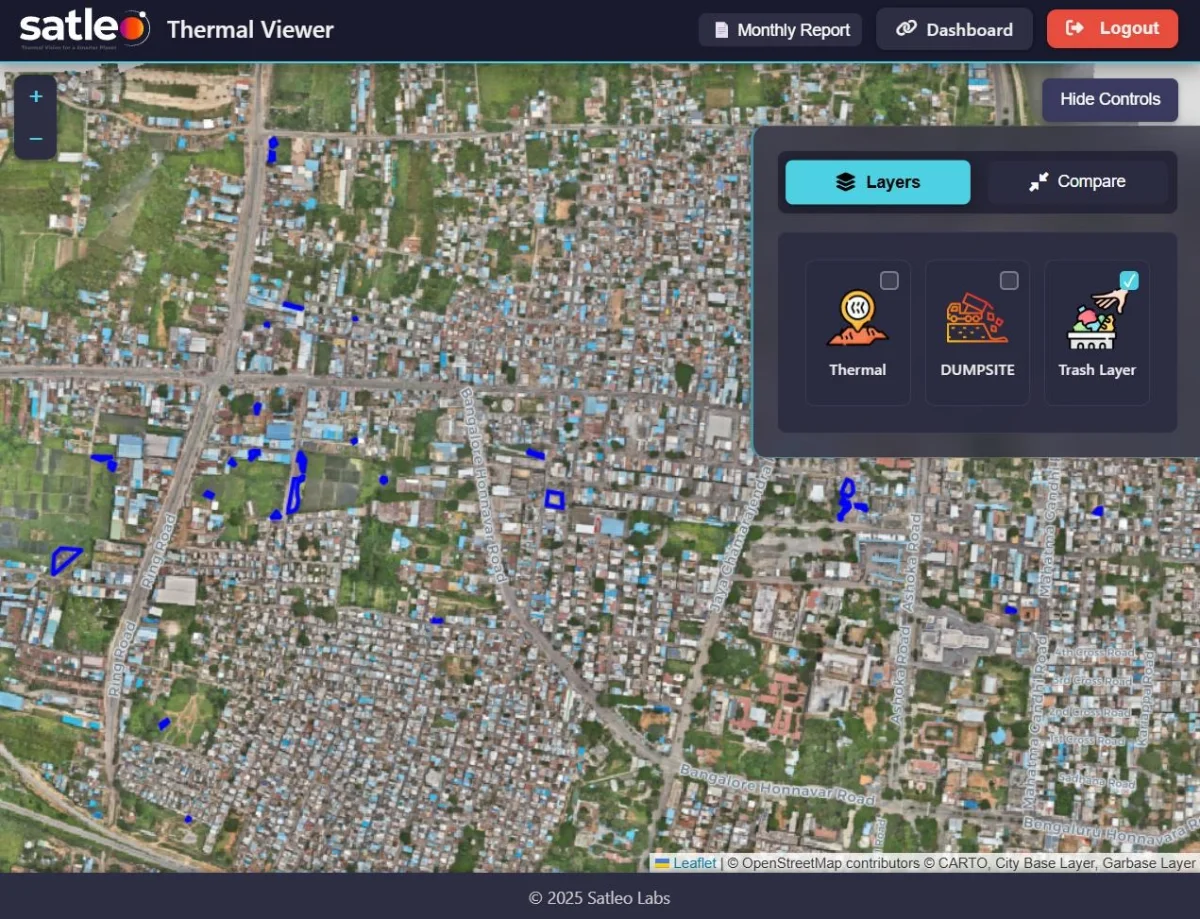
“The ground and drone deployments have allowed us to validate the analytics side of thermal intelligence in real-world environments, including how thermal data can be used for urban heat mapping, landfill monitoring and identifying temperature variations at a much more local level,” says Urmil Bakhai, Co-founder and CSO of SatLeo Labs.
He also tells AIM that the company cannot fully replicate the end-to-end performance of a thermal sensing system from orbit. TAPAS-1 will test image acquisition, radiometric calibration, payload behaviour and data transmission. It will also test the processing pipeline which turns satellite data into usable thermal insights.
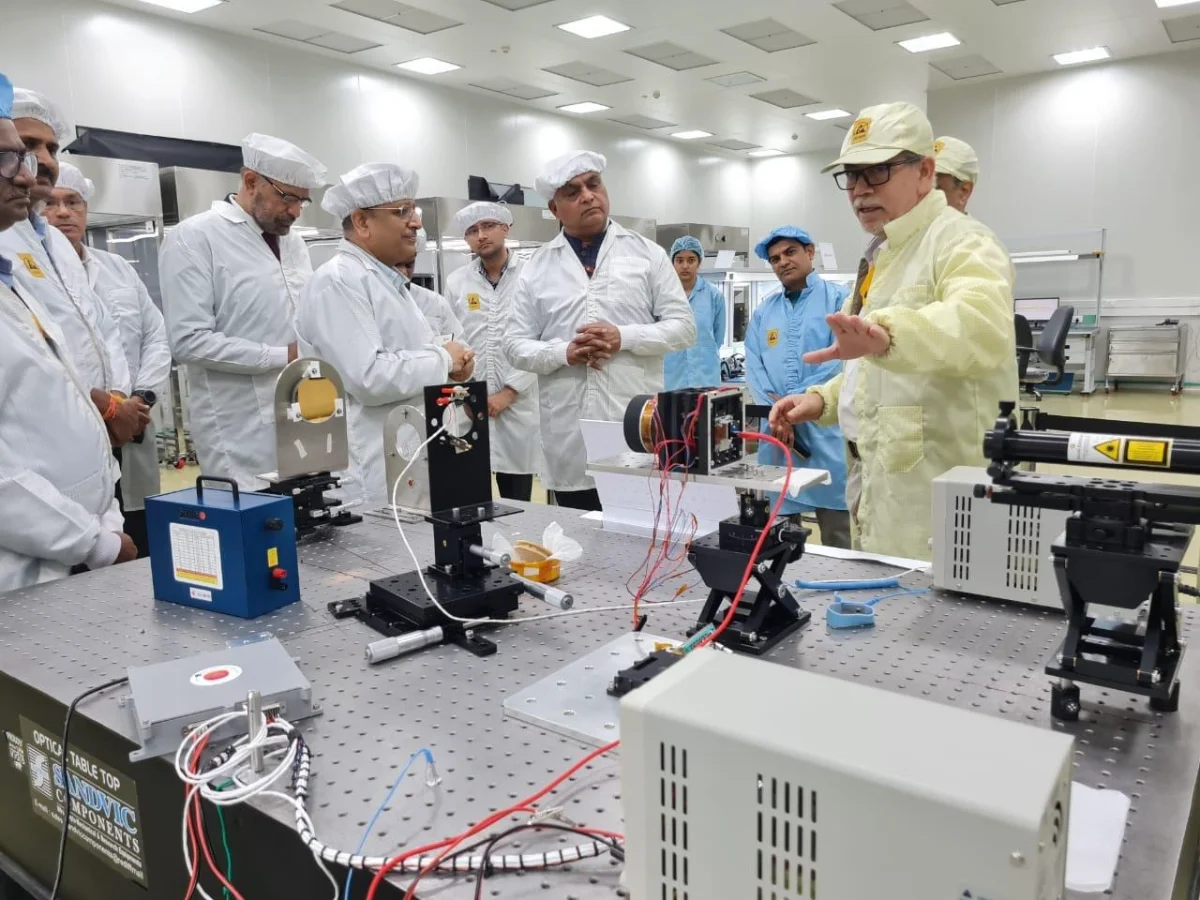
SatLeo developed its payload, integration and processing stack in-house and used IN-SPACe and ISRO facilities for testing and calibration.
The engineering challenge was fitting the system into a small satellite. SatLeo also had to preserve measurement quality. Thermal imaging needs optics, detectors, electronics and calibration systems to work together precisely.
The Real Test Begins After Launch
“For us, launch and orbital insertion are only the beginning. Mission success will be measured by whether TAPAS-1 can demonstrate the complete chain from sensing to usable thermal intelligence,” Bakhai says.
The company will compare orbital data with ground validation work. That will determine whether it can scale its planned PYRO thermal constellation.
SatLeo sees a gap in how thermal Earth observation data is currently used. Thermal information already exists. However, spatial detail, revisit frequency, and actionable intelligence remain limited for many applications.
Its aim is to provide more granular temperature information for cities, farms and infrastructure. A future constellation could observe regions more often and build temperature time series.
That matters for crop stress, wildfire detection, urban heat and industrial monitoring. A single temperature reading can show a condition. Repeated readings can show how that condition changes.
SatLeo also plans to sell more than raw imagery. It expects to offer processed thermal datasets, analytics and API-based access to governments, enterprises and technology platforms.
The Other Eyes on the Rocket
Hyderabad-based EON Space Labs is approaching Earth observation from a different angle. Its MIRA system is a miniaturised, telescope-based imaging system designed to provide high-definition multispectral Earth observation imagery.
The system weighs 502 grams. It has applications across agriculture, marine monitoring, mining, supply chains and insurance. MIRA is integrated with TakeMe2Space’s MOI-1A satellite, which the company describes as India’s first orbital computing satellite.
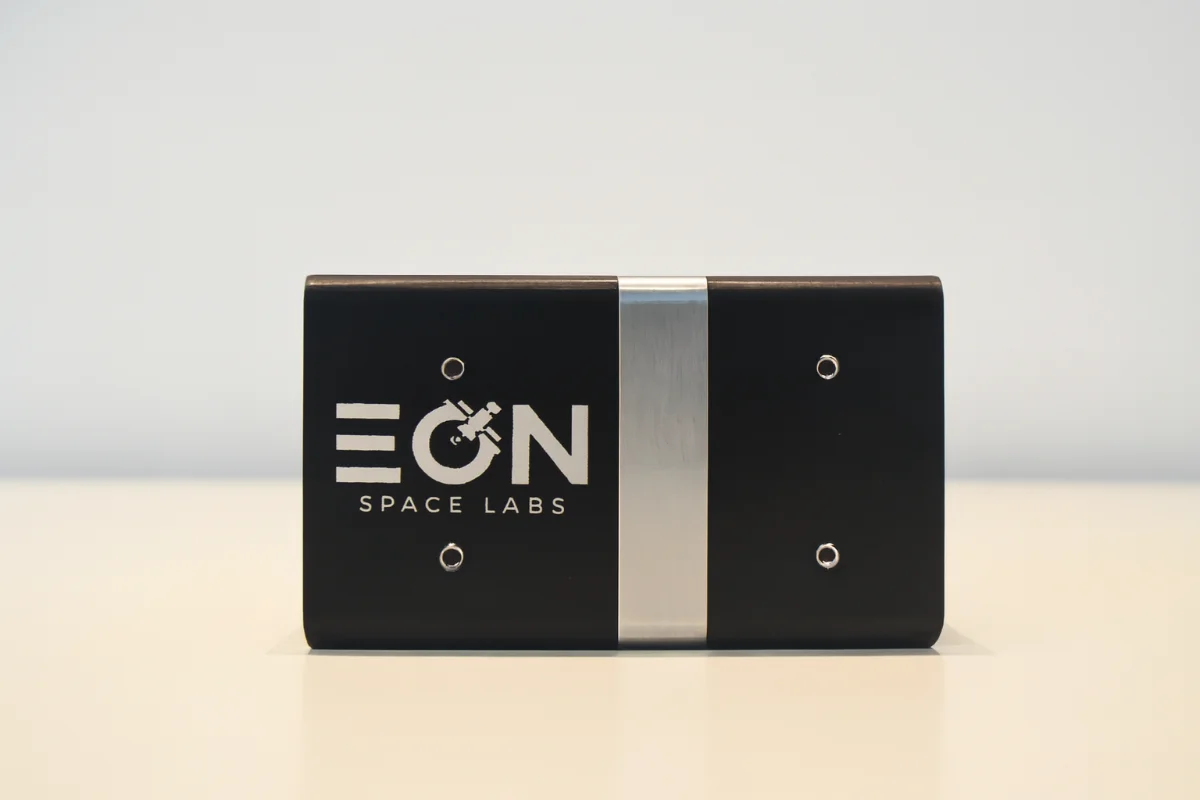
MIRA previously flew on the PSLV-C62 Mission in January, where an upper-stage anomaly prevented payload deployment. EON says that mission validated MIRA’s mechanical integration and flight hardware readiness. It is now preparing for another deployment on Transporter-18.
EON recently received an Indian patent for its miniaturised telescope-based imaging system. The company is also developing electro-optical systems for defence surveillance under the Ministry of Defence’s iDEX framework.
“The patent is a critical milestone on our journey to reduce import dependence on optical imaging technologies. We’re razor-focused on translating advanced optical engineering into compact, high-performance systems to address evolving commercial and defence Earth observation requirements across space, aerial and ground domains,” says Sanjay Kumar, Co-Founder of EON Space Labs.
Beyond the imaging payloads, Transporter-18 also carries Google’s Project Suncatcher. It plans to test whether its AI chips can operate in space. As for TakeMe2Space, it is using the mission to test computing in orbit.
Such varied deployments make the launch highly essential for these Indian players and less about one satellite. It is about several companies testing what happens when sensing and computing move closer to the data.
For SatLeo, the immediate question is whether TAPAS-1 can turn thermal measurements into reliable information from orbit. For EON, it is whether a compact imaging system can deliver useful Earth observation data.

Your reaction