
5 min
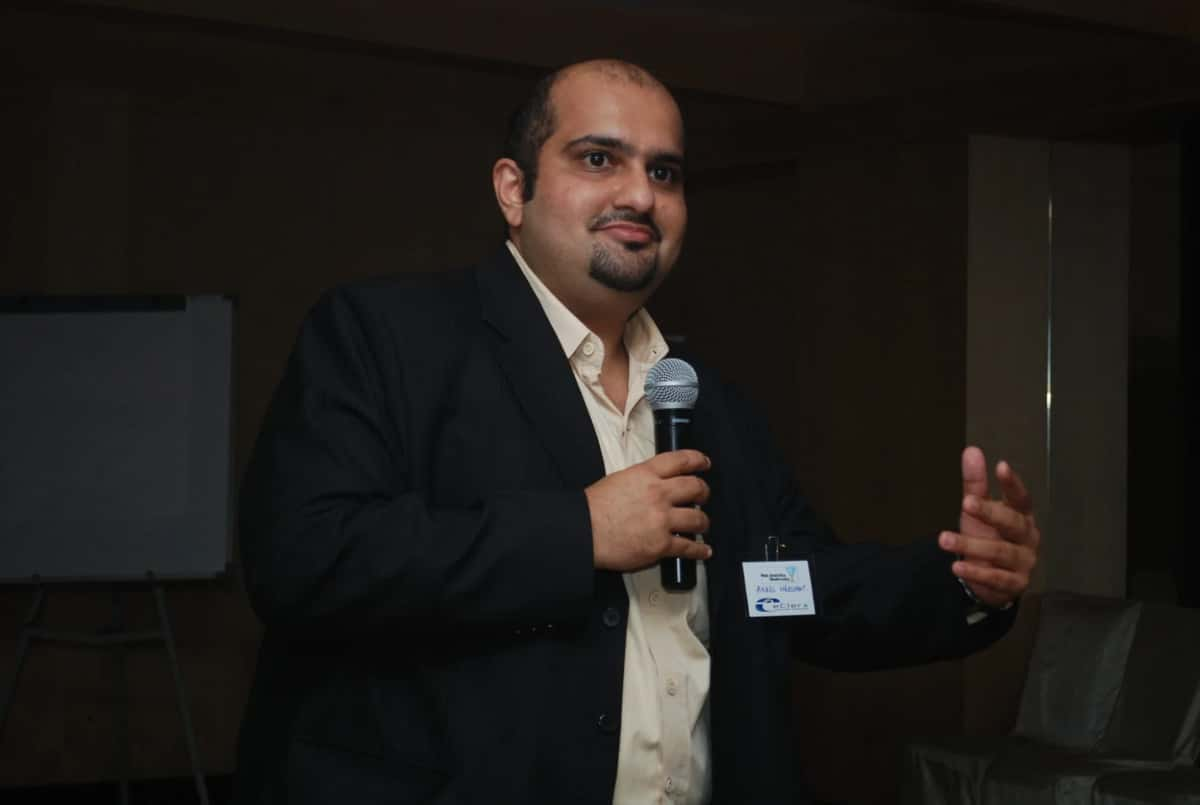
 In an interview with Analytics India Magazine, Anees Merchant of Eclerx talks about his viewpoints on Analytics industry in contemporary setting.
[dropcap style="1" size="2"]AIM[/dropcap]Analytics India Magazine: What are some of the main tenets (philosophies, goals, attributes) of analytics approach and policies at your organization?
[dropcap style="1" size="2"]AM[/dropcap]Anees Merchant: The biggest goal at our organization (eClerx Services Ltd) within our analytics division is to add value and create impact to client’s business with the service offerings we have to offer. We stay on top of these goals by being nimble, adaptable and listen to what our customers / marketers want to achieve. “Listening” is the key attribute whether it is your customers or your own people as they would give you enough information which can improve the approach as well as the add value to the work we have to offer.
AIM: Please brief us about some business solutions you work on and how you derive value out of it.
AM: At eClerx, we offer end to end Sales and Marketing support and solutions. It starts from managing core data for our clients (Deploying and Maintaining Data Warehouse, Data Marts, etc), Support on Sales and Marketing Automation platforms like Salesforce.com, Eloqua, Marketo, etc, to enabling and driving Targeted Data Visualization on platforms like Qlikview, Tableau, Microstrategy, etc and finally delivering Analytics offerings around Descriptive, Predictive and Prescriptive models. We have a unique blend of services which marry the end to end solution, thereby allowing customers to focus more on the strategy and direction setting, whereas eClerx steps up to support the direction and strategy.
AIM: Please brief us about the size of your analytics division and what is hierarchal alignment, both depth and breadth.
AM: Our current team is more than 500+ individuals focused on Data Management (Data Warehouse, Data Marts, Data Quality), Automation Platforms (Sales and Marketing), Data Visualization (Static, and Drill Downs) and Advanced Analytics (Descriptive, Predictive and Prescriptive). Since at eClerx we services multiple industries and more than 35 Fortune 500 clients within this space, we have a matrix organization setup within the analytics division. Operation delivery focus on ensuring client deliveries are taken care of, and Functional leads drive service excellence, solution development, thought leadership, communities of practice, and capability development.
AIM: Would you like to share any example of an Insight that generated a huge positive impact for your clients?
AM: I would like to take a moment and sight an example of our work with one of the biggest retailers in UK. For this client, one of the online channels was a major revenue contributor (~70%) and had a month on month decline rate. The client of ours related decline to UK economic conditions. During the conversation with the client, we asked the client to probably rethink the hypothesis and probably there was something else which was resulting in the decline. eClerx was awarded an exploratory analysis project to understand what factors were impacting the revenue decline. eClerx’s analytics team got involved and conducted an end to end analysis by including data from multiple channels. The analysis was based on the traditional 4Ps of Marketing Mix.
Post the analysis; eClerx was able to provide actionable and multi-tiered programs that the client could embark on as well as what was really happening in their current business.
These multiple initiatives suggested by eClerx made the client rethink their online strategy and they embarked on a 12 month plan to re-engage their website and improve the overall offers, promotions, and customer experience in engaging with the client.
The benefits from this project have been enormous and the client today has been able to improve their online revenue by 1.5x and also reduce cost by 5x.
AIM: Do you think it’s possible to become too married to the data that comes out of analytics? Where do you draw the line?
AM: My only piece of advice is that one shouldn’t get too married with the data. As though the only thing a company has about a customer is data, however they need to understand that they are dealing with a living being on the other end. This living being is irrational, disparate behaviors, irrational asks and behaves in a certain. So a Marketer or Business head should look at from both the sides of tunnel to ensure and confirm that this is what the data tells me, but my customer(s) is telling me something else. So data should be a 50% feed in strategy build, but customer stories and asks should be 50% of the strategy build.
AIM: What are a few things that organizations should be doing with their analytics efforts that most don’t do today?
AM: There are few things that the companies should be doing –
- Analytics should be part of where the strategy and execution team sits and not part of separate group
- Don’t embark on a high end analytic roadmap, if the data is not there. As analytical outcomes would be good only if the data is good
- Data Insights / Visualization is key, don’t ignore, de-prioritize or use a make shift data insights platform
- Ensure consumption of analytics rather than build of analytics
- People – it is on both the side, on our side as well as client side. Since this skillset is at scarce, getting the folks with right domain, technical, business and soft skills is a big issue. You can get maximum one or two skillsets and getting a person with all is next to impossible. On client side, it is difficult to sell or convince when the clients don’t have analytics as a key differentiator or part of the strategy process
- Process – since this space is so unstructured and volatile, the processes tend to become people dependent.
- Enmovil Plans to Quadruple FDE Team as Enterprise AI Hiring Moves Beyond Coding
- Does the World Need a New GitHub?
- Can India’s AI Boom Reach Bharat?
- AI's Next Agritech Frontier Is India's Fragmented Supply Chain
- India’s Frontier AI Race Gets a 240M Model That Beats Liquid AI
- The AI Slowdown Narrative Doesn’t Reflect Enterprise Reality