Key takeaways
- Animal testing is a common practice in biotechnology, particularly for toxicology studies, despite ethical concerns.
- Machine learning is emerging as a potential alternative to animal testing, particularly in assessing chemical safety.
- Researchers are developing methods that combine machine learning with big data to enhance chemical testing processes.
- The RASAR technique integrates chemical similarities with supervised learning to improve the accuracy of testing without animal use.
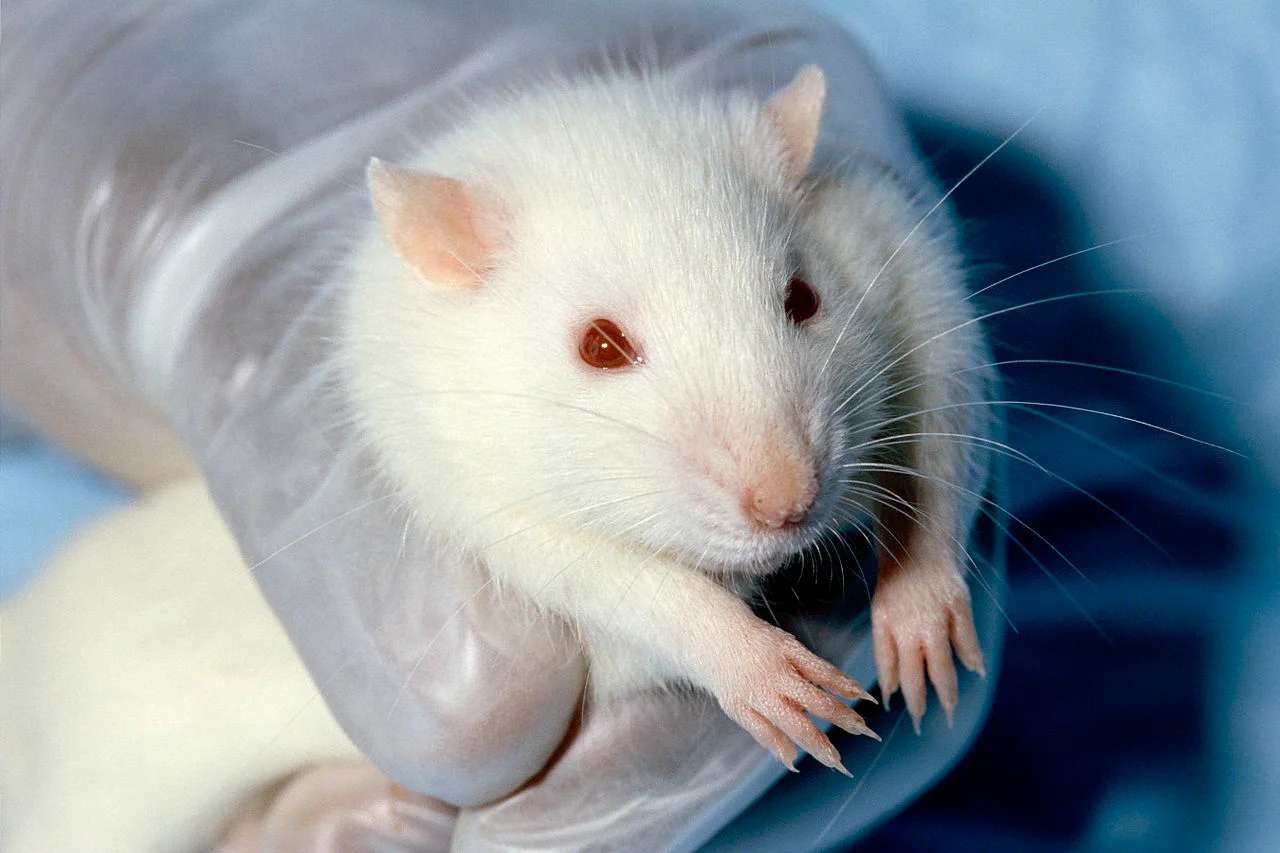
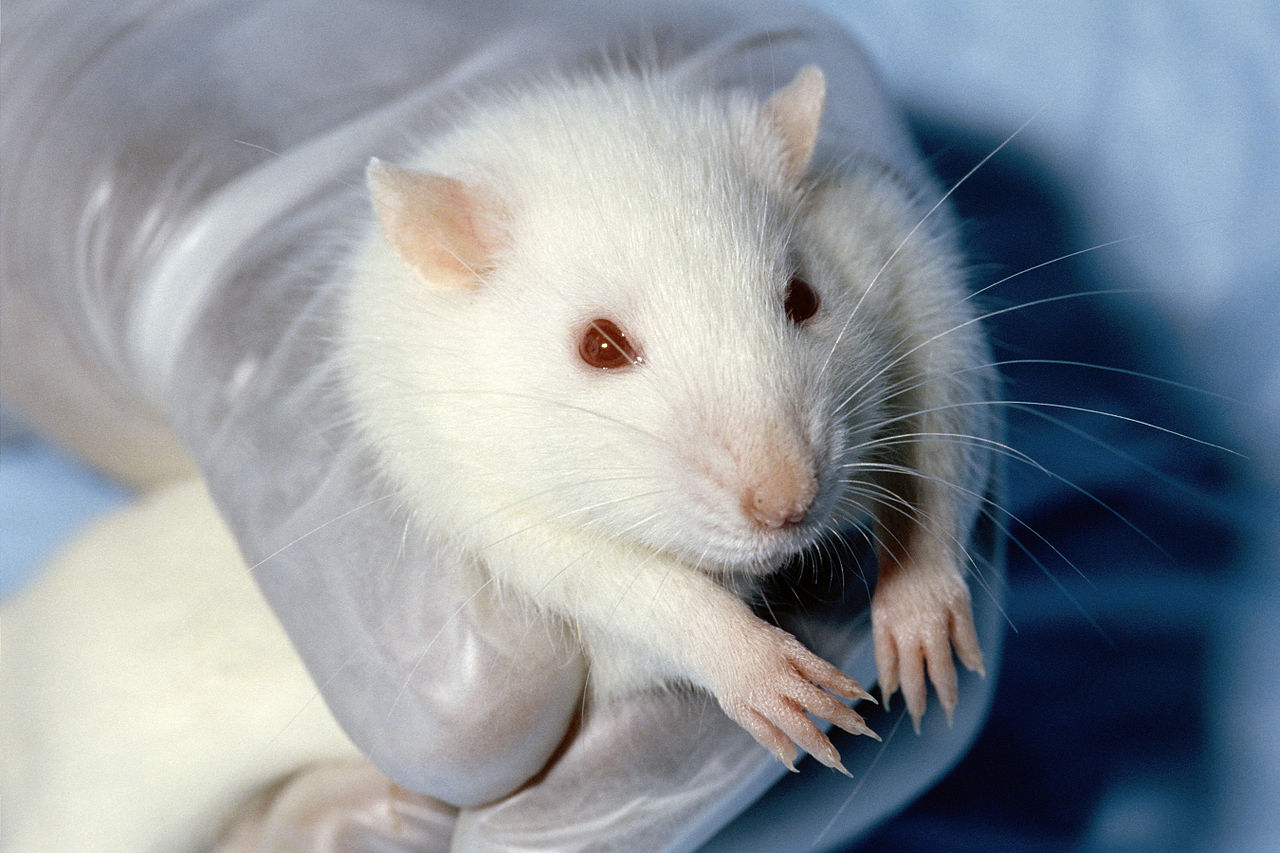 In the field of biotechnology and chemical research, it is common to test the effect of certain chemicals or materials on animals first, instead of humans. Although these studies are controversial in nature (animals may be harmed or killed in the process), they have proven to be the most effective method in certain areas of research — especially toxicology.
But now, as machine learning is changing the technology landscape, bio researchers are trying novel methods using ML and related fields to fulfil the possibility of an alternate testing technique. If successful in the long run, computers and ML can completely replace animal studies for chemical safety-related projects.
Combining Machine Learning And Big Data For RASAR
Professor Thomas Hartung and team from John Hopkins University designed a novel method based on an earlier technique called read-across structure activity relationships (abbreviated as ‘RASAR’). This technique actually combines chemical similarities with supervised learning. RASAR was designed by taking the earlier Read-Across approaches into consideration. The chemical similarity is determined by two steps — by using binary fingerprints for chemicals or using the Jaccard distance to establish similarity on these fingerprints. Hartung and team tell the reason why ML has a significant impact after creating chemical similarity. Supervised learning methods then provide a statistical model of the insights deliverable from chemical similarity. Due to automation, the approach can be applied to large datasets and thus validated according to common statistical methods such as cross-validation. Supervised learning models built on chemical similarity also allow assignment of confidence to individual predictions. This means that ML could greatly help in knowing chemical similarities for a large number of toxic chemicals and their information collected on a database, instead of conducting animal tests extensively. To demonstrate this, the researchers built an ML model called ‘Simple RASAR’ trained in logistic regression to predict hazards from similarities for every chemical. These chemicals are either labelled negative (not hazardous) or positive (hazardous) by referring to the similarities in the chemical information in the database. The model was tested for the European Council’s REACH (Registration, Evaluation, Authorisation and Restriction of Chemicals) regulation as well as with the help of nine standard toxicology methods. Before testing simple RASAR, the aspect of reproducibility (this is actually a workflow conducted in the study) by adhering to OECD guidelines on chemical testing is also evaluated. Apart from this, the effect of structural analogues is also studied. For RASAR’s database, chemical-related data from REACH in collaboration from PubChem was collected. Over 80,000 chemicals were analysed which resulted in more than 800,000 chemical labels. These labels were created by inferring from other standard regulations in chemical hazards.Simple RASAR And Data Fusion RASAR
Before starting off with the ML models, the prerequisite of constructing RASARs is done in two steps.- Unsupervised Learning
- Supervised Learning