Key takeaways
- BrainNet represents a significant advancement in brain-to-brain interaction, moving from science fiction to reality.
- The interface allows three individuals to collaborate and solve problems using direct brain communication.
- This research, led by Rajesh PN Rao, marks the first successful non-invasive multi-person brain-to-brain interface.
- Previous efforts in brain-computer interfaces have paved the way for this innovative technology.
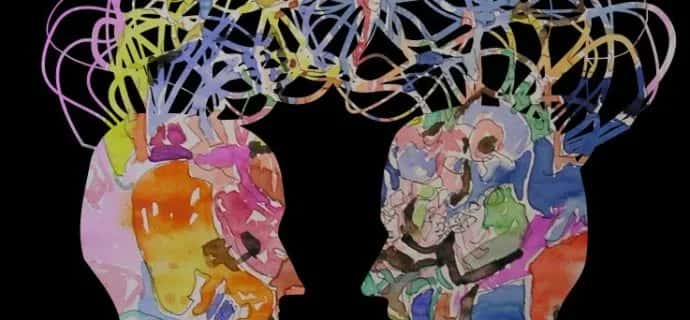
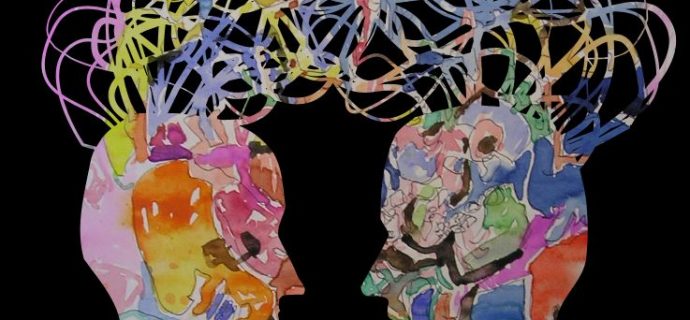 Brain-to-brain interaction has been an idea of science fiction for a lot of years. For example, in X-Men comics Charles Xavier uses the Cerebro to find mutants; and Dr Will Caster works on a human to computer interface in the movie Transcendence. But now, the brain-to-brain interface is becoming a concept in the real world.
A recent study by Indian-origin researcher Rajesh PN Rao from the University of Washington showcases work on a brain-to-brain interface called the BrainNet. The research is focused on the area of collaborative problem solving and it is reportedly the first multi-person non-invasive direct brain-to-brain interface that could successfully enable interaction between three people.
The Research
There have been attempts in the past like the brain-computer interface called the BrainGate, an effort from a consortium of researchers from different Universities. Stanford University researchers have successfully created a brain-computer interface that helps people with paralysis to type via direct brain control at high speeds. Even Elon Musk is putting efforts into their brain-computer interface called Neuralink. But there has been no research so far which successfully empowers brain-to-brain interface for a group of people. The BrainNet is a combination of two major components:- Electroencephalography (EEG)
- Transcranial magnetic stimulation (TMS)
BrainNet Play-By-Play
Each group had to play a game of Tetris. The players had to decide whether or not to rotate the Tetris block to 180 degrees. The only decision to make was whether or not to rotate the block by 180 degrees to fit the pattern. The Receiver could only see the top of the screen, where there is an incoming Tetris block, not the bottom, so he could not alone decide whether it has to be rotated.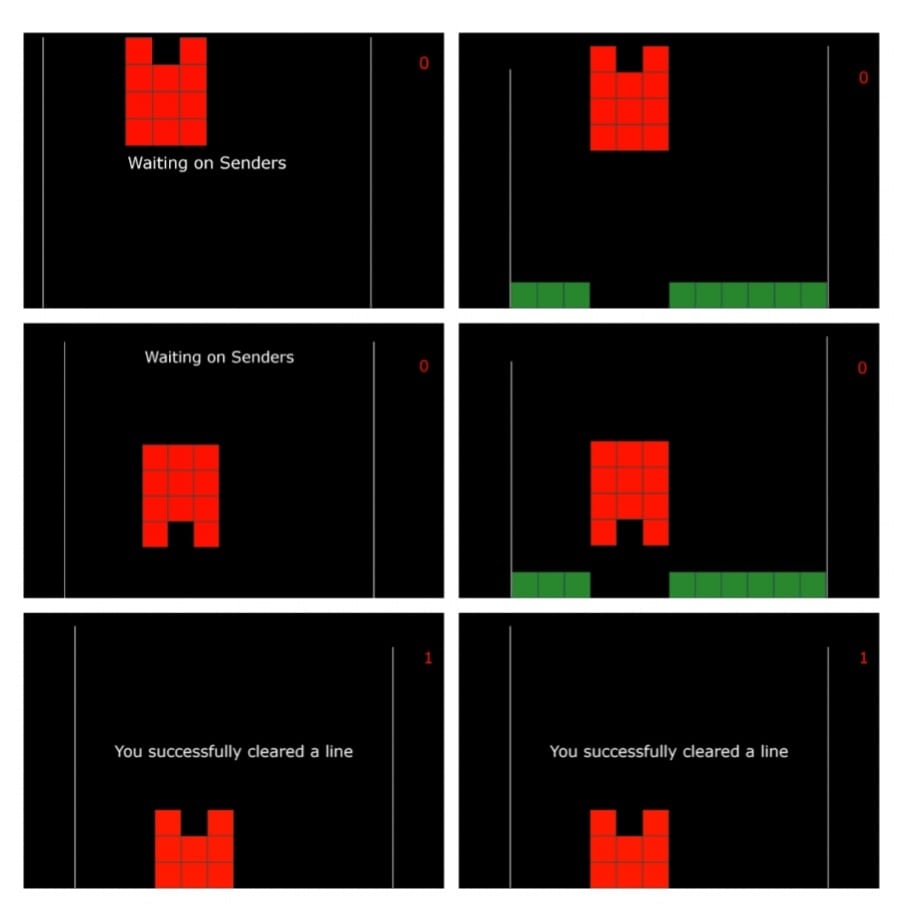
Concluding Note
We have several attempts of brain-to-brain communication possible only through the wonders of machine learning. Earlier attempts on an interface like this focused mainly on improving human communications and social interaction capabilities. This research intends their work to help in collaborative problem solving using a “social network” of connected brains. It is a breakthrough in the field. The game of Tetris used as an experiment in this research was a very beginner level. The method can be applied to even more complicated systems with its improvement. The paper suggests that the number of Receivers can further be scaled up to multiple Senders as well. A future work might include a more robust system handling this interface and we will have science fictions soon converted into realities.Spotted an error? Tell our editors. Read our editorial standards and corrections.