Key takeaways
- Concerns about AI taking jobs are prevalent, but technology may enhance rather than reduce employment opportunities.
- Robots can alleviate repetitive tasks, allowing humans to focus on empathy and creativity.
- Organisations using automation technologies are more likely to create human-friendly workplaces.
- AI improves communication by handling mundane queries, enabling more meaningful interactions among employees.
Robots Vs. Humans
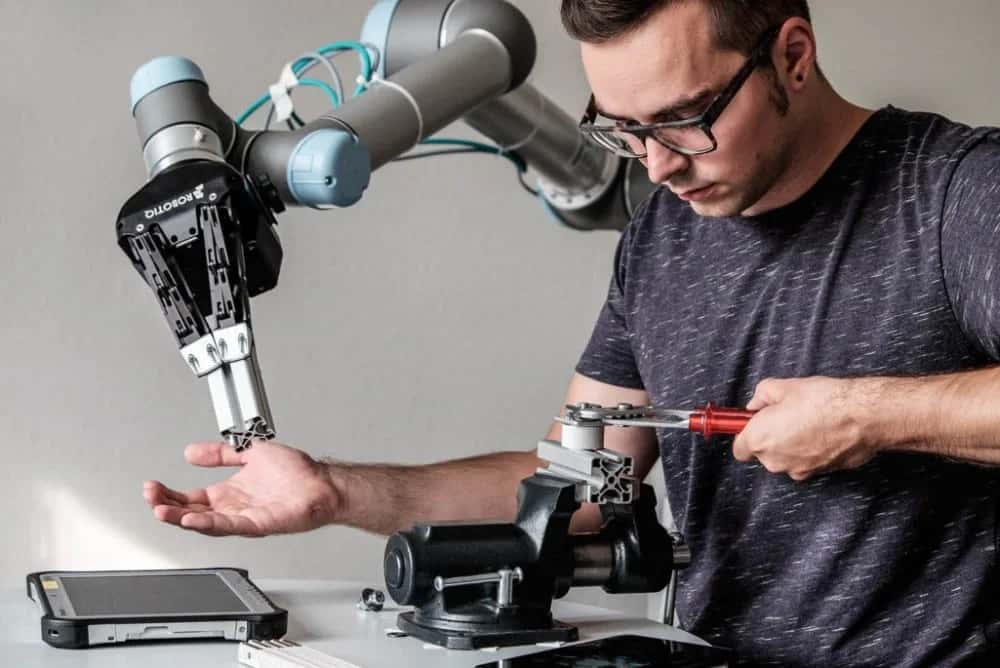
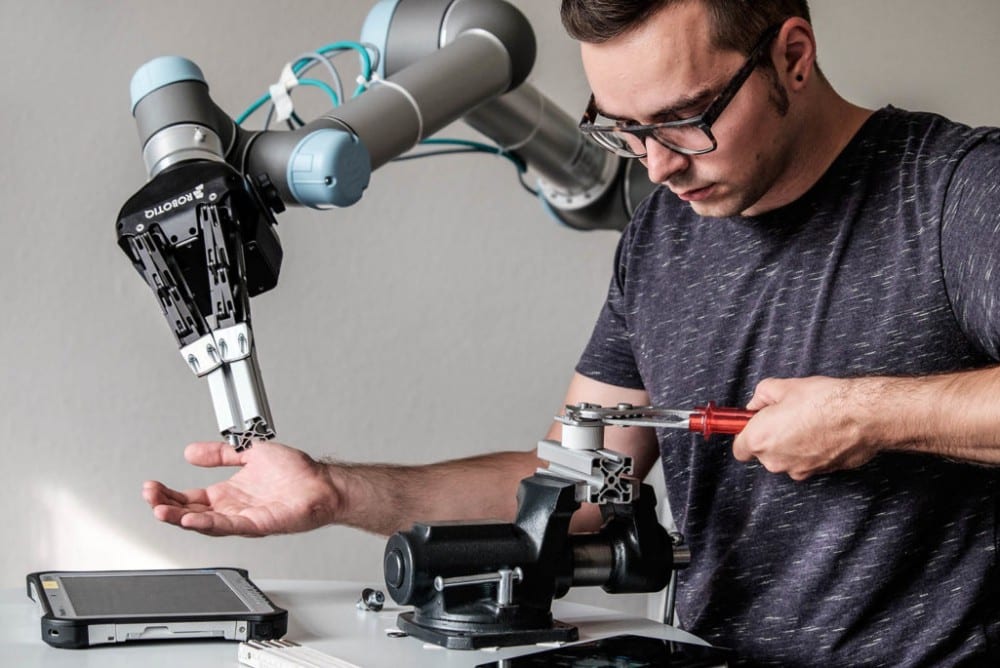
A study titled The Augmented Human Enterprise conducted by University of London for the robotic Automation Anywhere, showed that organisations augmented by automation technologies are 33 percent more likely to be ‘human-friendly’ workplaces. Communications is a prominent sector where AI eminently helps us make work more like humans. AI bots can simplify mundane questions and make time for humans in the organisation to engage in more interactive communication. Deploying AI in automated tasks gives employees the time to engage in more complex, creative and strategic issues, making their work more human. Humans will then be able to spend less time in searches and engage themselves in fostering personal relationships. AI will not replace personal conversations but will support as a human to make the conversation better. Robots increase learning and engagement in organisations, as employees tend to be more productive and creative when the normal mundane tasks are taken up by the machines. It would improve and increase the working culture, benefitting both, the organisation and the individual.What Work Can AI Do To Make Work More Human?
Examples of routine work that can be done by AI includes updating lists on employee payroll data and transferring data from files. Robotic Process Automation (RPA) is a technology that is used to perform these tasks faster and with no errors compared to the errors that humans tend to make. This technology can be used for an error-free, fast performance of such unswerving jobs. Cognitive automation is another tool that can be used that uses machine learning tools to learn and perform. It improves its learning over time by learning from examples and experiences. It can also handle a large amount of data. So, cognitive automation can be deployed to perform complex tasks that humans do not necessarily need them to do like answering some standard questions to customers. This would free up the time for humans to perform tasks that require a more human interaction with the clients/customers. Here are some interesting examples- The robot called iRobot Looj, equipped with a remote control, is deployed to clean gutter with less time and efforts and is an example where robots can eliminate human workforce inhumane jobs. The Roomba 980, which is a floor cleaning robot has reviews which say that it does a job much better than ordinary vacuum cleaners.
- A project called i2x, helps to improve the customer interaction by analysing the phone call that an organisation makes with customers and giving suggestions at the end of the conversation, suggesting the ways in which human interaction can be enhanced.
- Google is working to get the Google Assistant to make phone calls and appointments by a system called Google Duplex. Sundar Pichai had said that the Assistant can understand languages and respond efficiently even when the conversation goes unlike expected.
- The Royal Caribbean Cruise has a robot bartender can make up to 1,000 drinks each day, which a lot more than humans can do.
- A University of California pharmacy has a robot that packs and dispenses prescriptions. This helps reduce the pharmacists' workload and they can use their time in more useful work that robots are not capable of.