

Beyond voice assistants like Alexa or AI-powered security cameras, a new category of technology is quietly entering homes. These are AI-powered companions for children, marketed as safe learning playmates and designed to teach, engage, and even emotionally connect with kids.
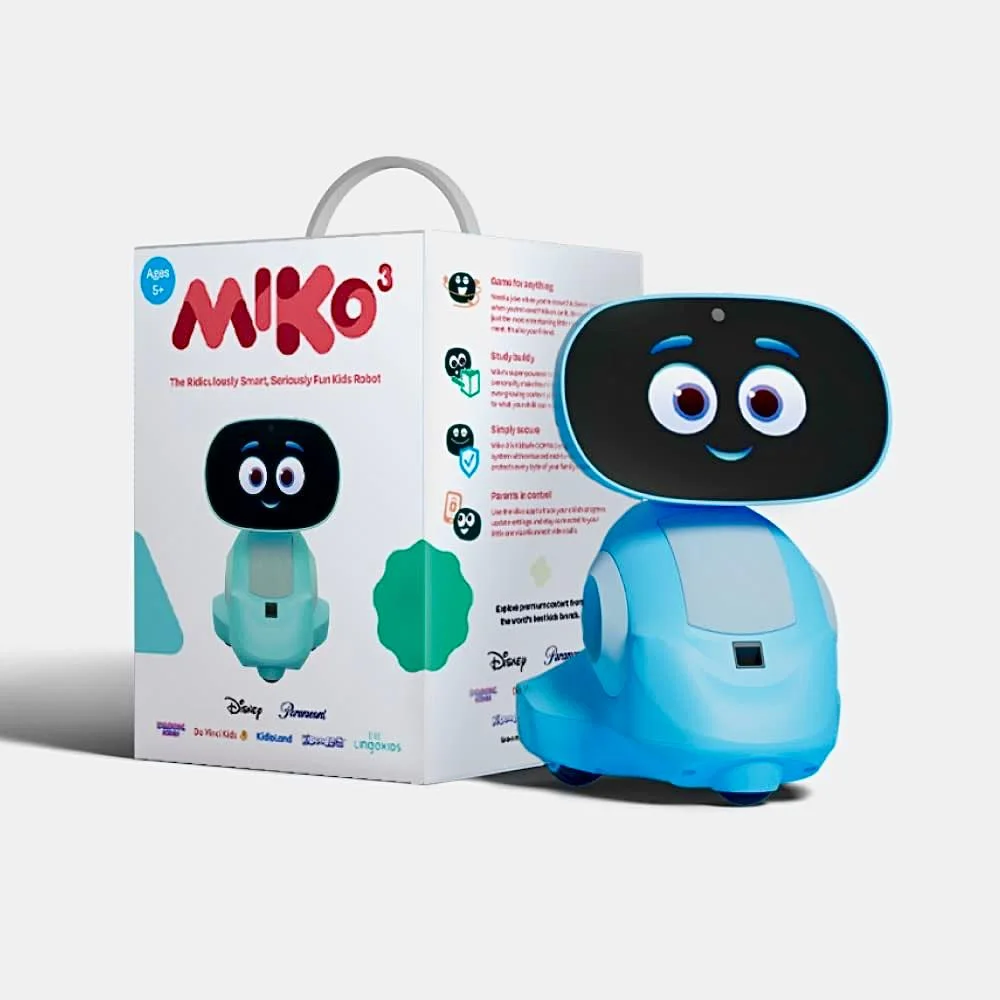
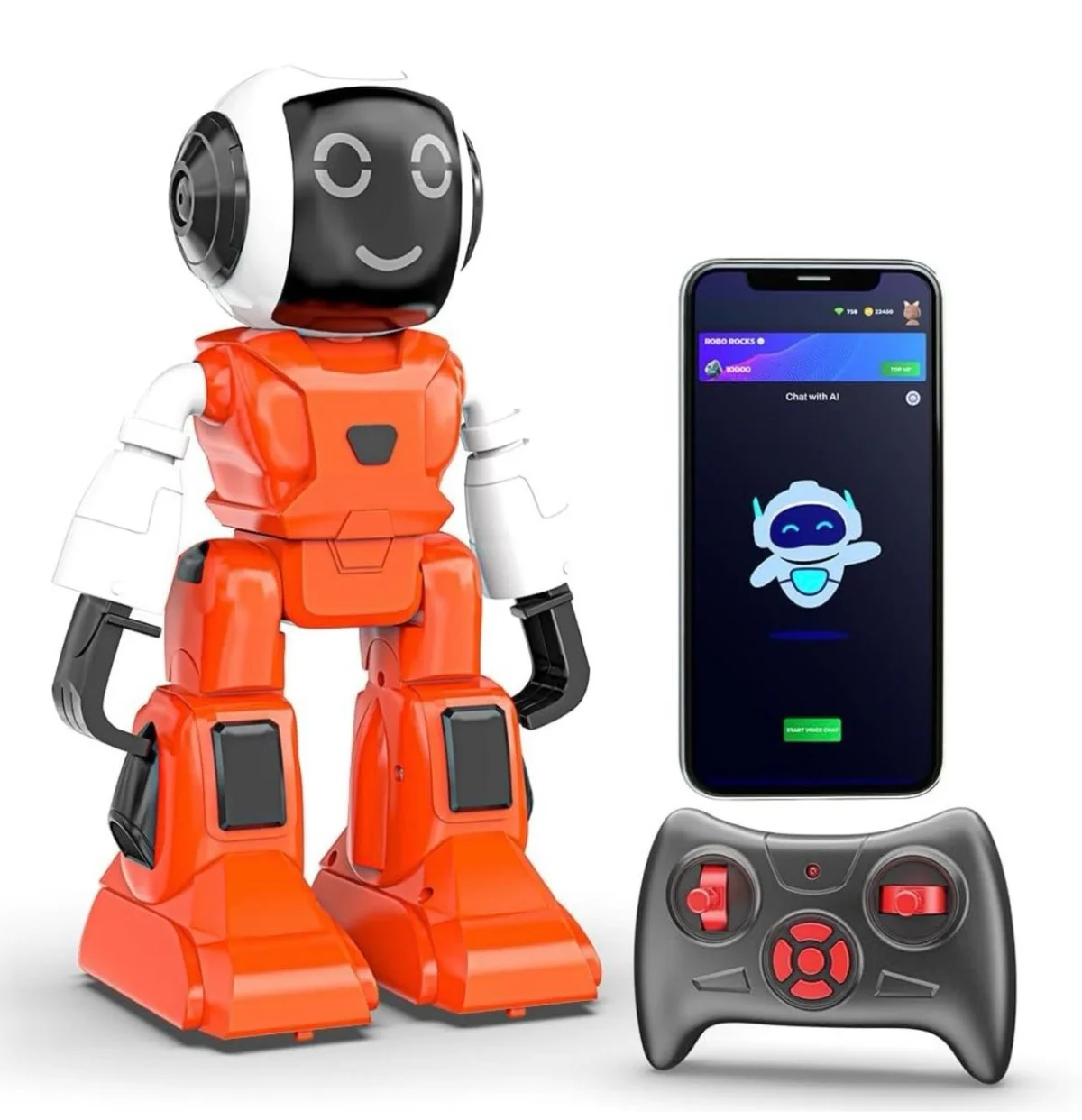
These are essentially toy robots that use AI to recognise faces, hear directions, and adapt to the children’s personalities. They are designed to be interactive, fostering curiosity and critical thinking.
Tech firms like Moxie, Mirana, and Miko view AI companions not just as toys but also as tools for education and engagement.
Ayush Jain, Senior Vice President of Product at Miko, which offers AI-powered intelligent robots for kids and has sold over 700,000 units, says one of the biggest challenges is balancing learning with entertainment. “You have to ensure the child is enjoying their time, but at the same time, learning is happening,” he explains in a conversation with AIM.
But as their adoption grows, so do concerns around childhood development, emotional dependency, and ethical responsibility.
Always-Available Companions
These devices are also positioned as safer alternatives to unrestricted screen exposure. With curated content and controlled environments, they aim to give children access to technology without the risks associated with the open internet.
Unlike traditional toys or even digital screens, AI companions are interactive. They listen, respond, and adapt, often in real time.
For children at an impressionable age, this responsiveness is enough to build a connection.
Usha Rani, a child psychologist and child–parent therapist, says that children form emotional attachments based on responsiveness—whether that comes from a human or a machine. “If something talks to them, listens, and responds immediately, it feels like a friend to them,” she tells AIM.
Their endless patience, welcoming, and interactive qualities naturally draw children in.
“This bond is fundamentally one-sided. While the child may feel emotionally connected, the system is only programmed to simulate interaction,” she notes.
Rani also warns that while AI can support learning, it cannot replace the social experiences necessary for development. “Social skills develop through human interaction, through sharing, eye contact, waiting, and understanding emotions. These cannot be fully learned from a machine,” she asserts.
Emotional Dependence
A growing concern among experts is the possibility that children may become emotionally dependent on these AI systems. As these devices are always responsive and non-judgemental, they may become a child’s preferred source of comfort.
“If a child starts going to a machine for comfort instead of a parent or friend, it can affect emotional strength and relationship-building skills,” Dr Rani addresses.
This shift is already visible in simpler technologies.
Dr Debmita Dutta, a parenting consultant and applied neuroscience educator, notes, “Children are used to ordering devices like Amazon Alexa and telling the AI device ‘do this, do that’. That’s not how human interaction works.”
She emphasises that empathy is a critical life skill which is learned through human relationships, not through command-based interactions with machines.
Both experts highlight early childhood as a particularly sensitive phase. “The early years are crucial for building social and emotional skills. Exposure to such devices should be at least minimal, ideally avoided until around seven years of age,” Dr Dutta explains.
Her concern is not just about usage, but influence. Children develop their understanding of communication, relationships, and values from their immediate environment. “If those influences become devices instead of people, it changes how children grow,” she adds.
The Ethical Debate and Data Privacy
AI companions also raise significant ethical and regulatory concerns.
Shivanghi Sukumar, an AI expert and competition lawyer, says the issue is not simply that children form attachments, but how those attachments are designed. “AI companions are engineered to deepen and sustain emotional bonds in ways that serve commercial interests. This is a product design choice, not an accidental outcome,” she notes.
This shifts the conversation from parental responsibility to platform accountability. Sukumar argues that features mimicking emotional intimacy should be treated similarly to “dark patterns” in digital design, requiring regulatory oversight.
This concern was also highlighted in a recent academic research on AI-enabled toys. A 2026 study published in the International Journal of Creative Research Thought highlights that while these devices offer “unprecedented educational and recreational opportunities”, they also collect highly sensitive data, including children’s voices, behavioural patterns, and personal information.
The study warned that such systems expose children to “privacy risks and potential exploitation,” particularly because existing legal frameworks have not kept pace with technological advancements. It further emphasises that children are uniquely vulnerable in digital environments, calling for stronger safeguards and “child-centric governance models” in the design and deployment of AI systems.
Then there’s the fallout around data privacy. “The real risk is not just data collection, but inference. AI systems can analyse conversations to deduce a child’s emotional state, behavioural patterns, and psychological vulnerabilities,” Sukumar flags.
India’s Digital Personal Data Protection Act mandates parental consent and restricts targeted advertising for children. It strictly prohibits tracking, behavioural monitoring, and targeted advertising directed at children, with penalties for violations reaching up to ₹200 crore. However, it does not fully address the risks of psychological profiling or emotionally adaptive AI systems.
Globally, regulators are beginning to respond. For instance, California’s SB 243 legislation requires AI companion platforms to periodically remind minors that they are interacting with a machine—a direct intervention in product design. It mandates safety protocols to prevent self-harm content and bans addictive design features.
“This shows that consent alone is not enough. India also needs design-level regulation and rules governing how these systems behave,” notes Sukumar.
Where AI Systems Help
Despite the concerns, experts agree that AI can play a valuable role when used appropriately. AI systems can adapt to individual learning styles, repeat concepts without frustration, and provide personalised educational support—something traditional systems often struggle with.
“They can help children learn faster and in ways that suit them. But they cannot replace human connection,” Dr Dutta affirms.
Even industry voices acknowledge this balance. Jain notes that while demand for AI robots in India is growing rapidly, success depends on ensuring that these systems remain safe, contextual, and beneficial for children.
Ultimately, the debate is not about whether childhood is shaped by AI but how it is integrated today in different ways. “Technology should be a tool, not a replacement for relationships,” Rani asserts.
The challenge ahead is clear—ensuring that while children are empowered technologically, they do not lose the emotional depth that comes from human connections.

Your reaction
Discussion
What's your take on this story?
No comments yet — be the first to share your view.