
AIM Chess League 2026 for tech, IT and AI professionals has begun in full swing, with the winner decided at Cypher 2026 in Bengaluru from October 7 to 9.
The first stage is an online league that runs until August 31, played in a rapid format of 10 minutes per side, short enough to fit into a lunch break.
Offline qualifiers across Indian cities follow in September before the finalists meet in Bengaluru at Cypher, India’s biggest tech and AI summit.
Most people assume chess games are decided by spectacular sacrifices or grandmaster-level calculations. At the amateur level, however, most rapid games are won because one player makes fewer recurring mistakes than the other.
The good news is that many of those mistakes are easy to avoid.
Start With the Fundamentals
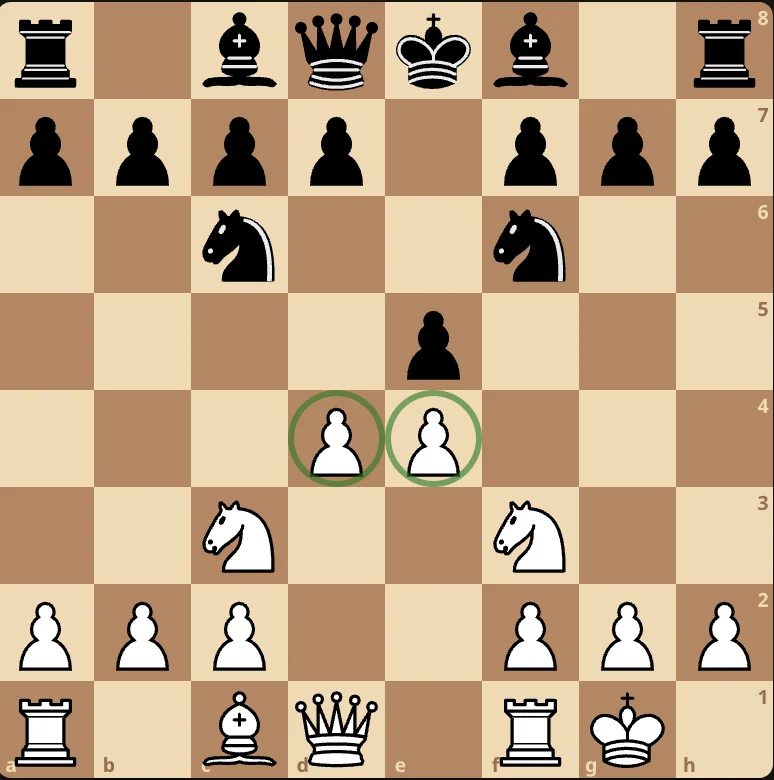
Most games below grandmaster level are shaped in the first 15 or so moves, often before either player realises it. The opening has three simple objectives: control the centre, develop the pieces, and bring the king to safety.
That usually means occupying the centre with pawns, developing knights and bishops before the queen, and castling early. These ideas matter far more than knowing the latest opening variation.
Many amateur players lose their footing by moving the same piece several times, chasing pawns instead of developing, or leaving the king exposed in the middle of the board. Solid opening habits generally produce stronger positions than deep opening preparation.
Avoid Simple Blunders
Many games are decided not by brilliant moves but by simple oversights.
Before every move, it helps to scan the board for undefended pieces, hanging pawns and immediate tactical threats.
Developing the habit of checking whether a move leaves something vulnerable dramatically reduces unnecessary losses. Strong players are often distinguished as much by the mistakes they avoid as by the moves they find.
Always Look at the Opponent’s Threats
One of the most common mistakes among amateur players is focusing entirely on their own plans.
Every move changes the position in some way. It may introduce a threat, defend an important piece or quietly prepare an attack several moves later.
A useful routine before moving is to check for checks, captures and threats available to both sides. Besides, most blunders occur because players respond to their own ideas before understanding what their opponent’s last move actually accomplished.
Every move on the board is worth reading as a question. What does it threaten? What does it prepare? What happens if it is ignored? Players who think only about their own plans often miss the ones aimed at them.
Learn to Spot Tactical Patterns
Tactics decide far more games than long-term plans.
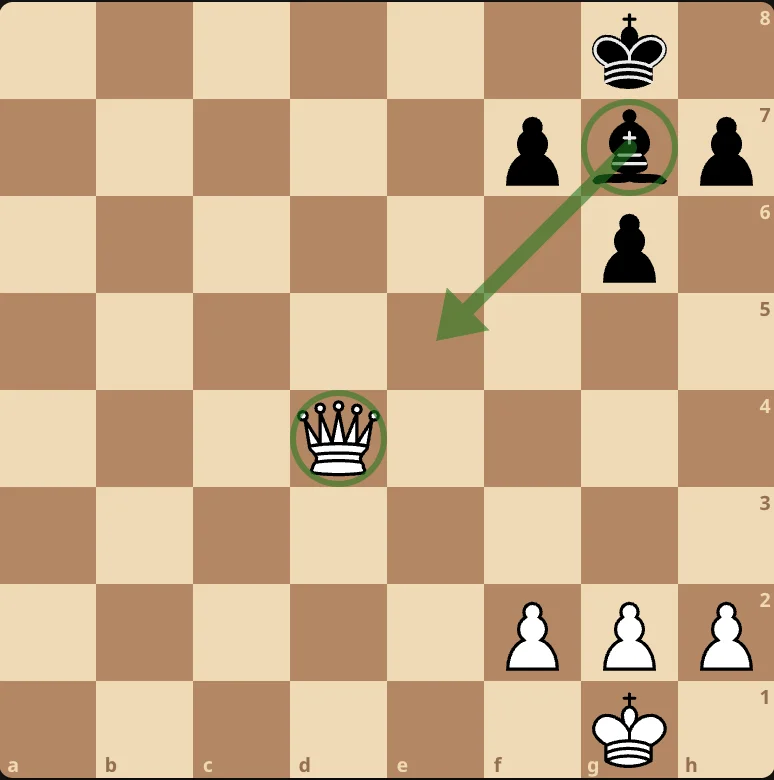
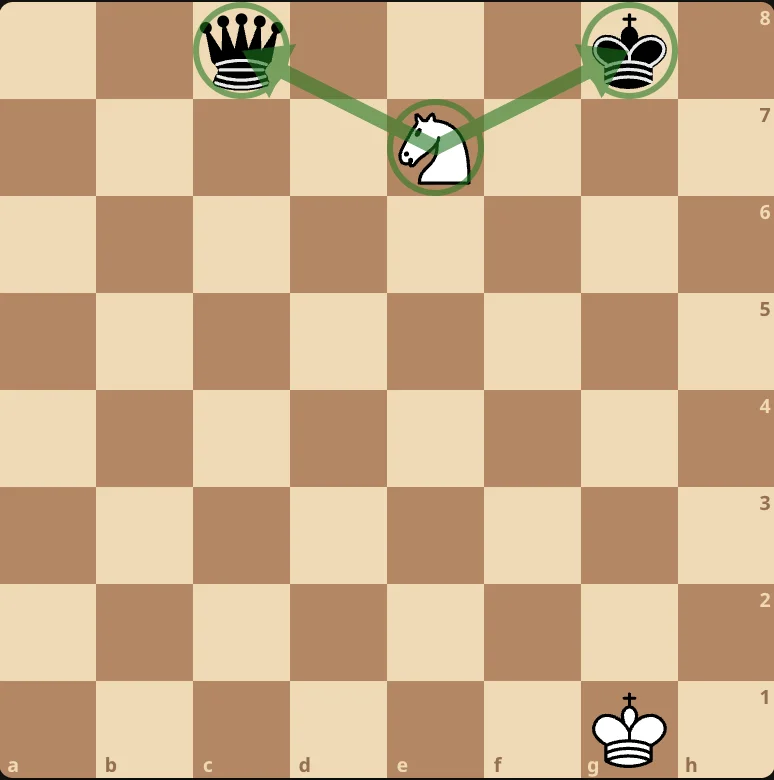
Pins, forks, skewers and discovered attacks regularly win pieces or end games outright when one player spots them and the other does not.
Recognising these patterns quickly is often more valuable than calculating every possible variation from scratch, and that recognition comes through repetition rather than instinct alone.
Regularly solving tactical puzzles trains the eye to recognise recurring patterns almost automatically.
Mastering every tactical motif is not necessary. Spotting the common ones consistently wins far more games than memorising complicated opening theory.
Improve Piece Activity
Winning positions are usually built through a series of small improvements rather than one dramatic attacking move.
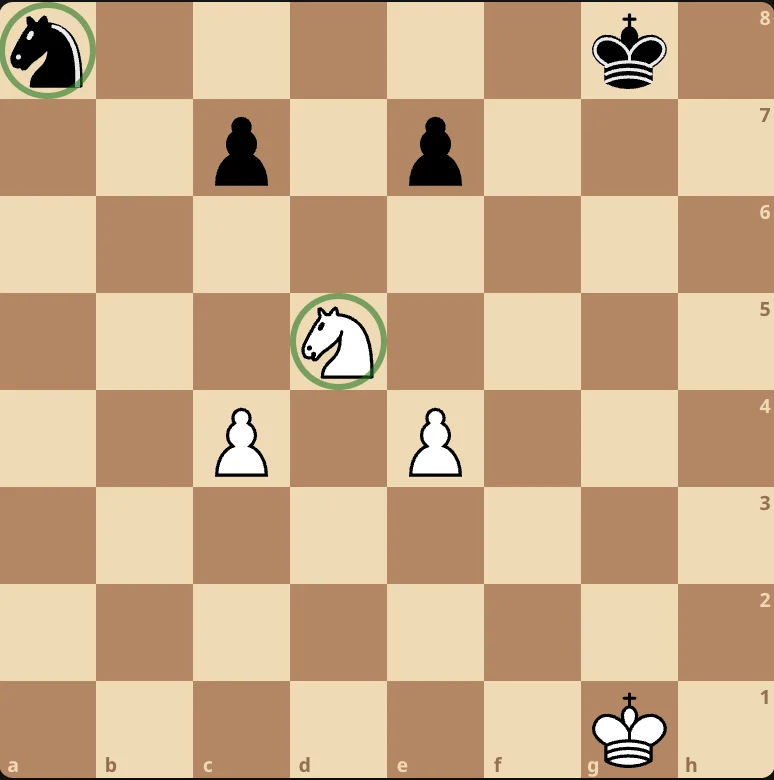
A knight in the centre is generally stronger than one stuck on the edge. Bishops become more effective when their diagonals are open, while rooks perform best on open files where they can pressure the opponent’s position. None of these improvements looks dramatic on its own, but together they gradually create lasting advantages.
Space works in much the same way. A cramped position limits the number of good squares available for pieces, while even a small space advantage from the opening can grow into a much larger positional edge by the middlegame.
Players with more room are usually better served by improving one piece at a time than by launching attacks before their position is fully prepared.
Trade Pieces With a Purpose
Exchanging pieces is not automatically good or bad. Its value depends entirely on the position.
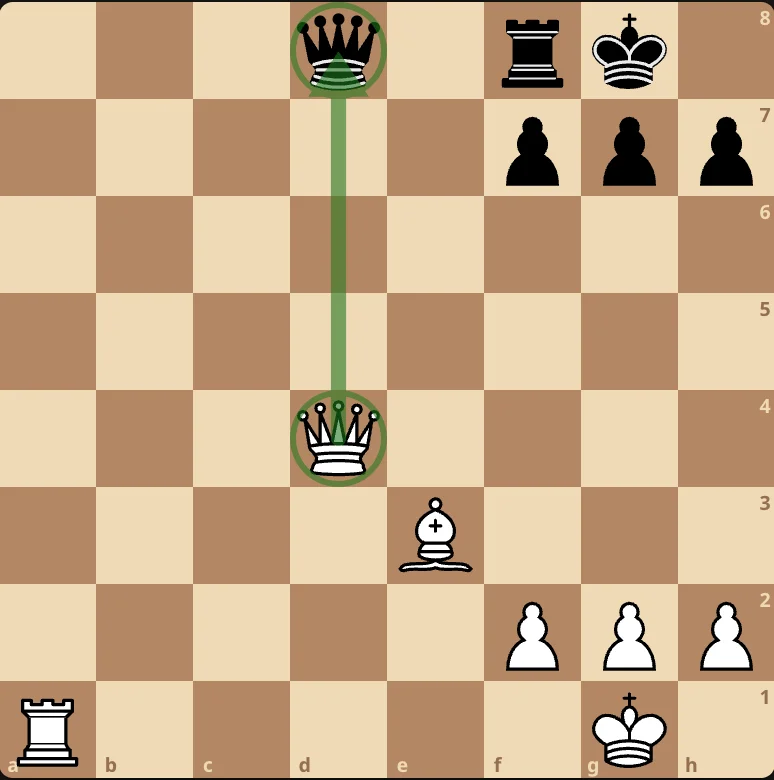
When ahead in material or holding a superior position, simplifying the game by exchanging pieces generally reduces the opponent’s chances of creating complications.
When behind, keeping more pieces on the board often creates additional opportunities to generate counterplay.
Before every exchange, it is worth asking whether the trade genuinely improves the position or merely resolves the tension without any real benefit. Equally important is avoiding the habit of exchanging an active piece for a passive one simply because the opportunity exists.
Don’t Neglect the Endgame
Many players spend considerable time studying openings but very little time learning how to finish games.
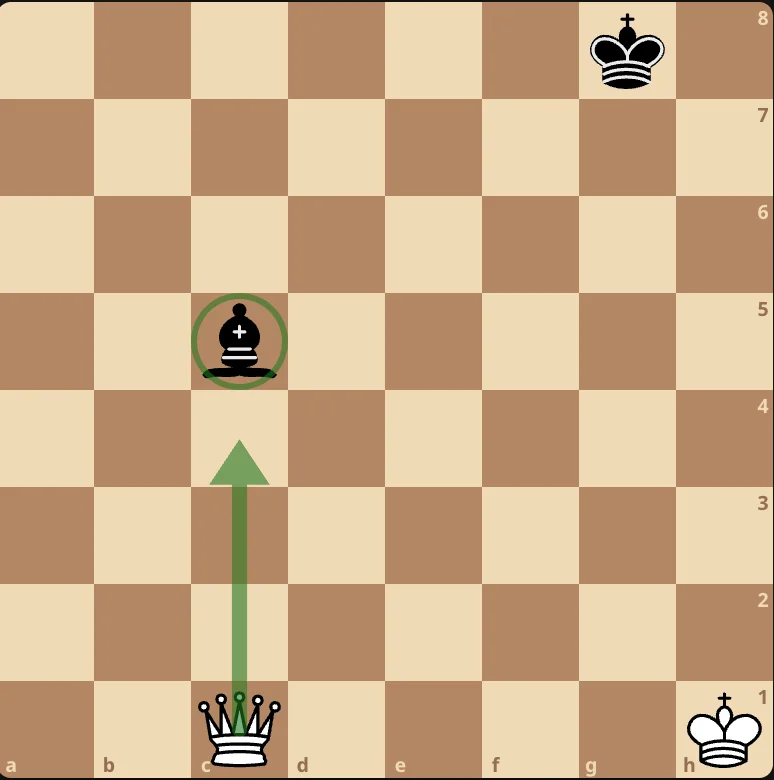
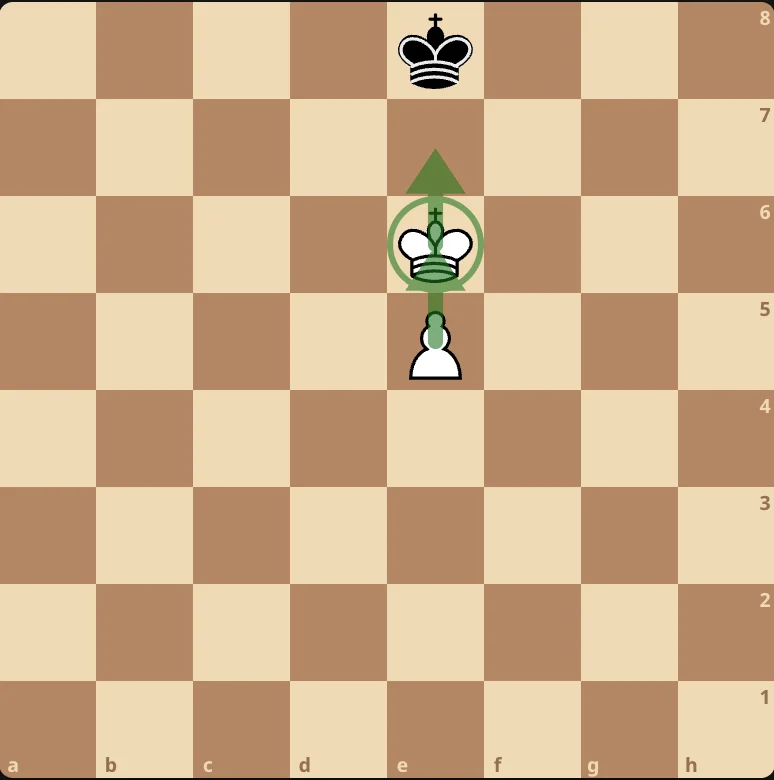
As pieces disappear from the board, the king changes from a piece that needs protection into one of the strongest attacking pieces available. Every player benefits from knowing a handful of essential endings, including king and queen versus king, king and rook versus king, and basic king and pawn endings.
Winning positions are thrown away in the endgame more often than many players expect, usually because the necessary technique was never learned. Pawn endings in particular reward accurate calculation over instinct. The king that reaches the important squares first often decides whether a pawn promotes, making careful calculation more valuable here than at almost any other stage of the game.
Time Management Wins Games
In rapid chess, the clock is as important as the position on the board.
Spending several minutes on familiar opening moves leaves less time for the decisions that truly matter later in the game. Players who arrive with a reasonable understanding of their openings often move confidently through the first 10 or 12 moves, preserving valuable time for complex middlegame positions.
A modest time advantage in the closing stages frequently proves more valuable than an extra pawn. As the clock winds down, players increasingly rely on instinct rather than calculation, and instinct under severe time pressure is where many rapid games are ultimately decided.
Staying Composed
Rapid games often swing dramatically because of a single mistake.
A poor move does not automatically lose the game, just as a winning position is not guaranteed to stay winning. Many games are rescued because one player continues looking for practical chances instead of mentally giving up, while many winning positions disappear because the leading player relaxes too early.
Reviewing completed games is just as important as playing them. Most losses can usually be traced back to one or two critical decisions rather than a long sequence of small mistakes. Identifying those turning points is often one of the fastest ways to improve.
Beyond individual performances, AIM Chess League 2026 also features a company leaderboard. Organisations can field multiple players, with their combined scores determining the standings. The prize pool totals ₹10 lakh, including ₹3 lakh for the champion, ₹1.5 lakh for the runner-up, ₹50,000 each for the next five finishers, and ₹2 lakh for the best-performing company team.
The league is open to professionals across IT services, product and SaaS, data and AI, cybersecurity, cloud, startups, as well as engineering students. Designed to accommodate more than one lakh participants nationwide, registrations and the complete schedule are available on the official website.

Your reaction