Key takeaways
- The US Copyright Office has denied copyright for AI-generated artwork due to lack of human authorship.
- Steven Thaler, the algorithm's developer, previously filed for copyright in 2018, which was also dismissed.
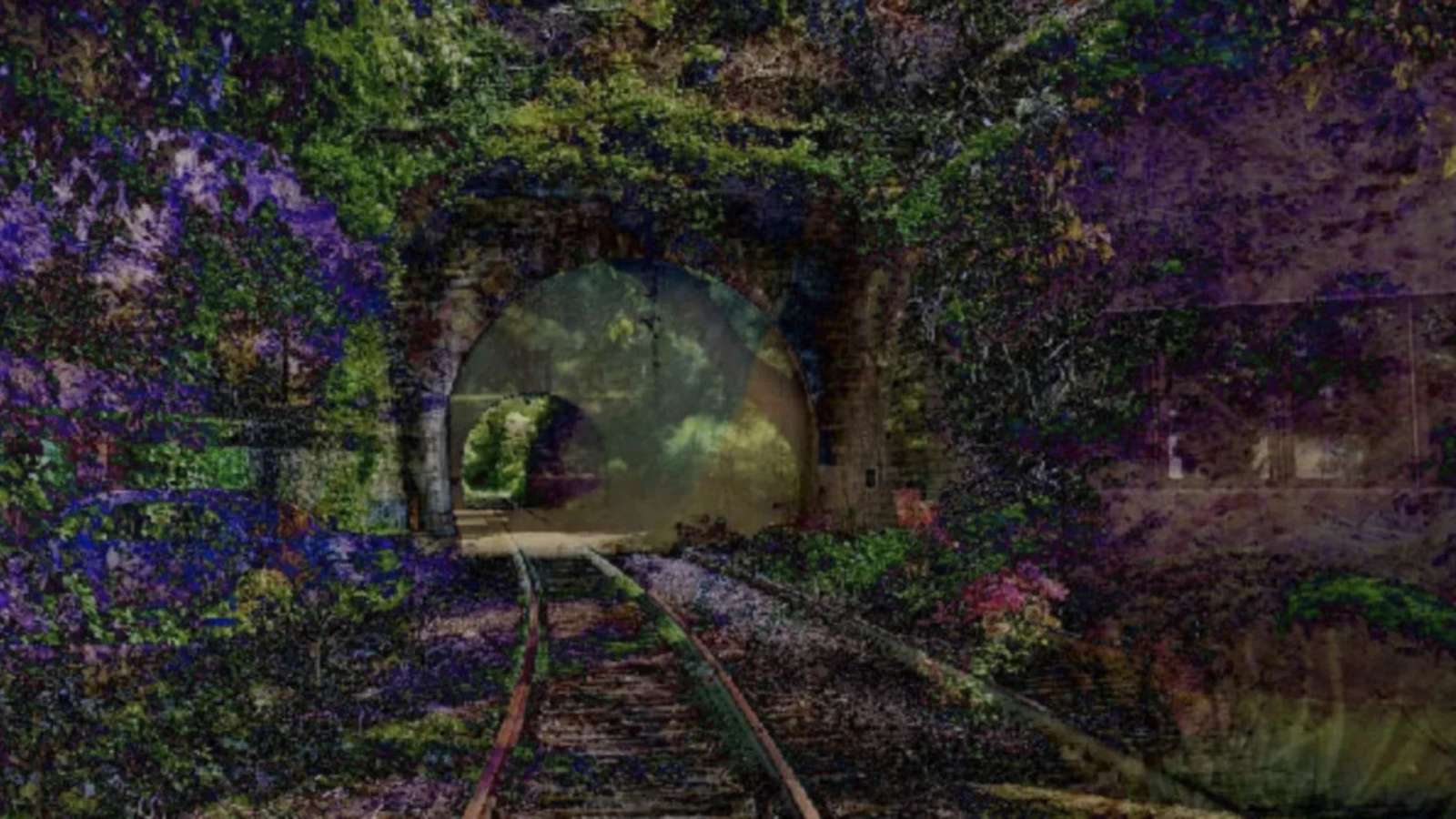
- The artwork, titled 'A Recent Entrance to Paradise', explores simulated near-death experiences through algorithmically generated images.
- Thaler argues that the human authorship requirement is unconstitutional and should include machine-generated works.
- The ruling highlights ongoing debates about copyright protection for non-human creative outputs.
The US Copyright Office has denied a request to let an AI system, dubbed ‘Creativity Machine’, copyright a piece of artwork titled ‘ A Recent Entrance to Paradise.’ The board reviewed a 2019 ruling against Steven Thaler, the developer of the algorithm, and rejected the request based on the lack of ‘human authorship’ element in the AI-generated artwork.
Steven Thaler had initially filed for a copyright on AI’s behalf in 2018. However, the US Copyright Office dismissed the petition saying the artwork was autonomously created by a computer algorithm running on a machine. The courts found non-human expression is ineligible for copyright protection.
A Recent Entrance to Paradise is part of an anthology around “simulated near-death experiences” where an algorithm reprocesses pictures to create hallucinatory images and a narrative about the afterlife.
Thaler filed a second copyright request on February 14 claiming the US Copyright Office’s human authorship requirement is unconstitutional. He said the office should allow copyrights to machine-generated works because doing so would “further the underlying goals of copyright law, including the constitutional rationale for copyright protection.”
Spotted an error? Tell our editors. Read our editorial standards and corrections.