
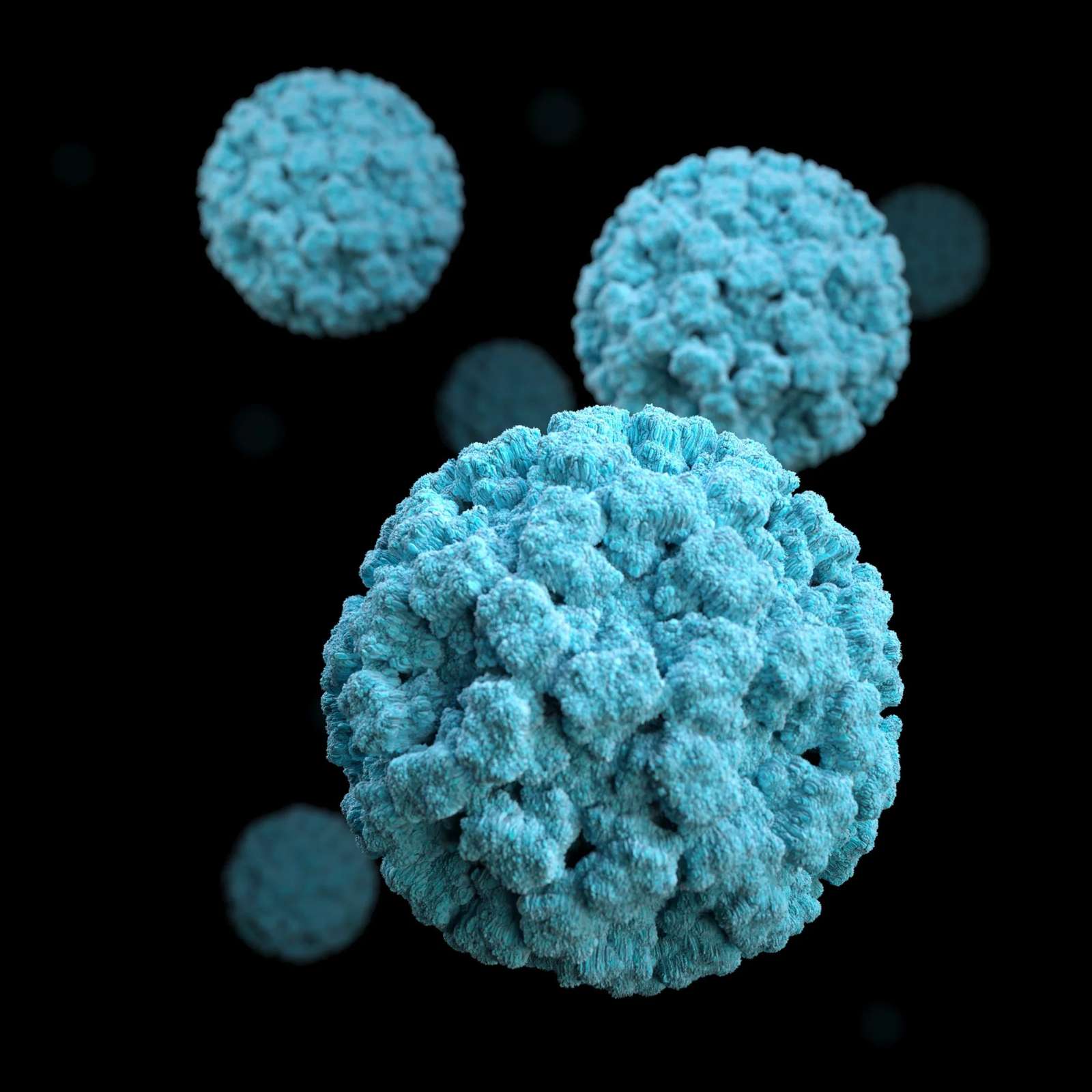
MIT researchers have developed a powerful new antibiotic compound using artificial intelligence. The drug developed has the potential to kill many of the world’s most problematic disease-causing bacteria, which also includes strains that were resistant to all known antibiotics. The model can evaluate more than a hundred million chemical compounds in a matter of days, thereby finding new possibilities to make superior drugs.
“We wish to develop a solution that would enable us to harness the power of machine learning to usher in a new age of antibiotic drug development,” says James Collins, the Termeer Professor of Medical Engineering and Science in MIT’s Institute for Medical Engineering and Science (IMES) and Department of Biological Engineering. “Our methodology revealed this amazing molecule that is arguably one of the more superior antibiotics that has been ever discovered.”
In another study, the researchers also determined various other promising antibiotic candidates, which they plan to test in the future. They believe the model can also be used for designing new drugs, based on what it has learned about chemical formulas and structures that enable drugs to kill bacteria effectively.
“The deep learning model can evaluate, in silico, large chemical spaces that can be expensive for traditional experimental approaches,” says Regina Barzilay, the Delta Electronics Professor of Electrical Engineering and Computer Science in MIT’s Computer Science and Artificial Intelligence Laboratory (CSAIL).
Over a few decades, very few new antibiotics have been discovered, and most of those newly approved antibiotics are slightly different variants of existing drugs. Current processes for screening new antibiotics are often prohibitively costly, require significant resources and time investment, and are usually limited to a narrow spectrum of chemical diversity.
“We’re increasingly facing a crisis around antibiotic resistance. This situation is being created by both an accelerating number of pathogens becoming resistant to existing antibiotics, and an anemic pipeline in the biotech and pharmaceutical industries for new antibiotics,” Collins says. AI Overpowered Researchers To Develop Superior Antibiotic AI Overpowered Researchers To Develop Superior Antibiotic
- Europe's Biggest Tech Startup Cuts AI Coding Costs by 90% Using Chinese Model
- E2E Networks Launches Blaze To Offer Pay-Per-Token AI Inference Services
- Apple Posts Record Revenue in India for Q4 FY26
- Dispatch Network Raises ₹5 Cr Pre-Seed Led by Antler India to Build AI-Powered Delivery Network
- Coforge Launches BridgeCX With Pega, Mastercard for Customer Personalisation
- HCLTech Launches AI Agents to Support Mainframe Operations