Key takeaways
- Researchers at the University of Waterloo and DarwinAI developed an AI system to predict ICU admission necessity during COVID-19.
- The AI uses over 200 clinical data points, achieving over 95% accuracy in its predictions.
- The technology aids clinicians in making faster, more informed decisions for patient care.
- Key factors driving predictions enhance clinicians' confidence in treatment plans.
- The aim is to optimise medical resource usage and individualise patient care.
The researchers at the University of Waterloo and DarwinAI, an alumni-founded startup company, have developed a system that uses artificial intelligence (AI) to predict the necessity of ICU admission. The system considered over 200 clinical data points, including blood test results, vital signs, and medical history.
This AI software has been trained using data from 400 cases at Hospital Sirio-Libanes in Sao Paulo, Brazil, where doctors had taken the call of admitting COVID-19 patients for intensive care. Based on those lessons, the researchers have developed a neural network that can predict the requirement for ICU admission in new COVID-19 cases. The new system has achieved over 95% accuracy and can also identify the key factors that drive the predictions, which also help clinicians get more confident with treatment.
Alexander Wong, professor of systems design engineering and Canada Research Chair in AI and Medical Imaging at Waterloo, said, “That is a very important step in the clinical decision support process for triaging patients and developing treatment plans.”
The technology is meant to arm doctors with a new tool to help make more informed decisions faster, and ensure that the patients most in need of an ICU receive it.
“The goal is to help clinicians make faster, more consistent decisions based on past patient cases and outcomes,” said Wong, director of the Vision and Image Processing (VIP) Lab at Waterloo. “It’s all about augmenting their expertise to optimise the use of medical resources and individualise patient care.”
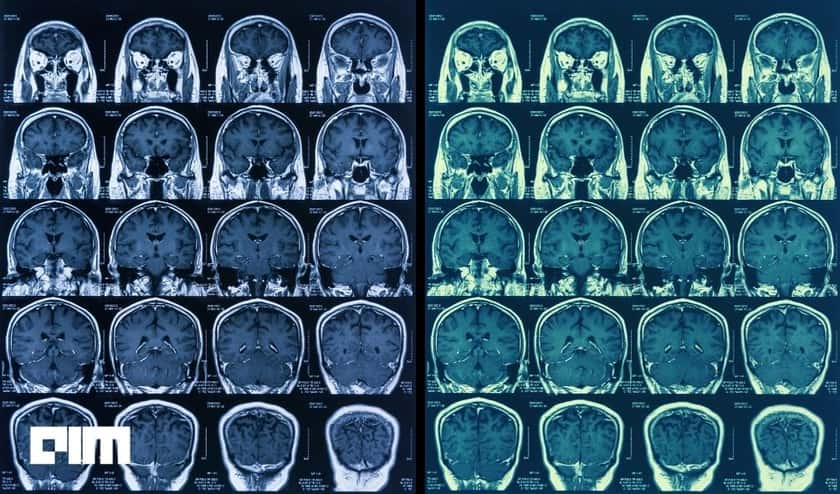
The technology has been made freely available so scientists and engineers around the world can work to help improve it. The researchers are working on incorporating it into a larger clinical decision support system, developed in their ongoing COVID-Net open-source initiative, that also helps doctors detect COVID-19 and determine its severity using AI analysis of medical images.
Wong collaborated on the ICU admission work with DarwinAI researchers Audrey Chung and Mahmoud Famouri and Andrew Hryniowski, an engineering PhD student in the VIP Lab.
This paper on the research, COVID-Net Clinical ICU: Enhanced Prediction of ICU Admission for COVID-19 Patients via Explainability and Trust Quantification, was also presented at the 2021 Conference on Neural Information Processing Systems.
Spotted an error? Tell our editors. Read our editorial standards and corrections.