
5 min
[caption id="attachment_2350" align="alignnone" width="3060"]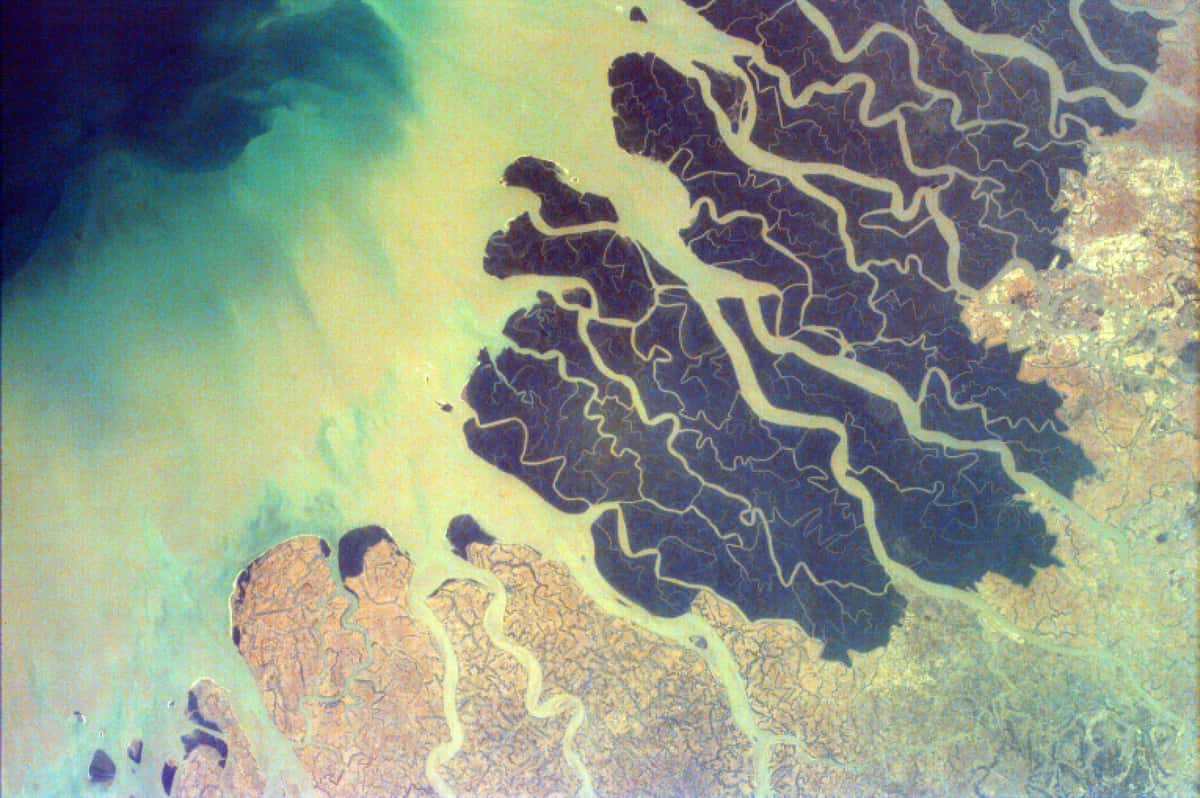 (Image of the Ganga delta by NASA)[/caption]
Institution of Engineering and Technology (IET) India, an IoT-focussed non profit engineering organisation has created a blueprint to implement IoT devices and related technology for curbing pollution and improving water flow in the Ganga river.
The IET were invited to consult the Government of India’s National Mission for Clean Ganga (NMCG) to discuss the ways to clean the 2,525-kilometre river and its tributaries in a comprehensive manner, in March earlier this year.
Vivek Mehrotra, chairman of the IET India, said, "There are laws in place to check pollution but most of these industries are unregulated in terms of the chemicals released into the river. Then you have human and industrial waste along with excessive fertilisers which are not used by farmers, which is released into Ganga.”
The panel also has a task to identify ways to improve the water flow in Ganga, better treatment of pollutants that enter the river as sewage and effluent treatment plants, need for controlling unregulated sewage, open defecation, and handling chemical wastage from agricultural lands (fertilisers and pesticides) as well as effective means to manage cremetorial wastes, among others.
"Cleaning Ganga and maintaining its cleanliness is a huge task which requires multilevel collaboration from the society, universities, industries and government... IoT can help achieve this mission by bringing together not only the ‘things’ but also the ‘people’. Providing real-time information of pollution status in river, enabling and assisting the industries and societies to find alternate means of disposal of waste, can help reduce the pollution to a greater extent," Mehrotra said.
He added that that they would run a POC in Varanasi for six months and take note of the progress and act accordingly. “We have created a framework, technology will follow and now we are looking forward to procuring such devices with the help of universities," said Mehrotra.
As of now, Ganga subordinate legislation, called the River Ganga (Rejuvenation, Protection and Management) Authorities Order, passed in 2016, empowers district authorities to enforce the law.
(Image of the Ganga delta by NASA)[/caption]
Institution of Engineering and Technology (IET) India, an IoT-focussed non profit engineering organisation has created a blueprint to implement IoT devices and related technology for curbing pollution and improving water flow in the Ganga river.
The IET were invited to consult the Government of India’s National Mission for Clean Ganga (NMCG) to discuss the ways to clean the 2,525-kilometre river and its tributaries in a comprehensive manner, in March earlier this year.
Vivek Mehrotra, chairman of the IET India, said, "There are laws in place to check pollution but most of these industries are unregulated in terms of the chemicals released into the river. Then you have human and industrial waste along with excessive fertilisers which are not used by farmers, which is released into Ganga.”
The panel also has a task to identify ways to improve the water flow in Ganga, better treatment of pollutants that enter the river as sewage and effluent treatment plants, need for controlling unregulated sewage, open defecation, and handling chemical wastage from agricultural lands (fertilisers and pesticides) as well as effective means to manage cremetorial wastes, among others.
"Cleaning Ganga and maintaining its cleanliness is a huge task which requires multilevel collaboration from the society, universities, industries and government... IoT can help achieve this mission by bringing together not only the ‘things’ but also the ‘people’. Providing real-time information of pollution status in river, enabling and assisting the industries and societies to find alternate means of disposal of waste, can help reduce the pollution to a greater extent," Mehrotra said.
He added that that they would run a POC in Varanasi for six months and take note of the progress and act accordingly. “We have created a framework, technology will follow and now we are looking forward to procuring such devices with the help of universities," said Mehrotra.
As of now, Ganga subordinate legislation, called the River Ganga (Rejuvenation, Protection and Management) Authorities Order, passed in 2016, empowers district authorities to enforce the law.- AI Productivity to Add $28 Billion to $84 Billion to India's GDP: Cognizant Study
- OpenAI's Codex Helps in Aerodynamic Engineering for Mazda
- Bengaluru Accounts for 34% of India's FDE Talent: Report
- 84% See AI Productivity Gains, but Only 10% Allow Agent Autonomy: TCS Study
- Snowflake Introduces Business Ontology, Cortex AI Gateway to Bring AI Agents Into Enterprise Workflows
- Three Members Behind Claude Code Leave Anthropic Within 10 Days