Key takeaways
- IBM and NASA launched Surya, an open-source AI model for predicting solar weather.
- Surya can predict solar flares up to two hours in advance, enhancing space weather forecasting.
- The model improves solar flare classification by 16% using nine years of NASA data.
- Surya aims to protect critical technology like satellites and navigation systems from solar storms.
- Available on Hugging Face, Surya supports scientists in analyzing complex solar behaviors.
IBM and NASA have released an open-source AI model to predict solar weather that could disrupt technology on Earth and in space. The model, named Surya, is available on the Hugging Face and uses high-resolution solar observation data to forecast solar activity, aiming to help protect satellites, navigation systems, power grids and telecommunications.
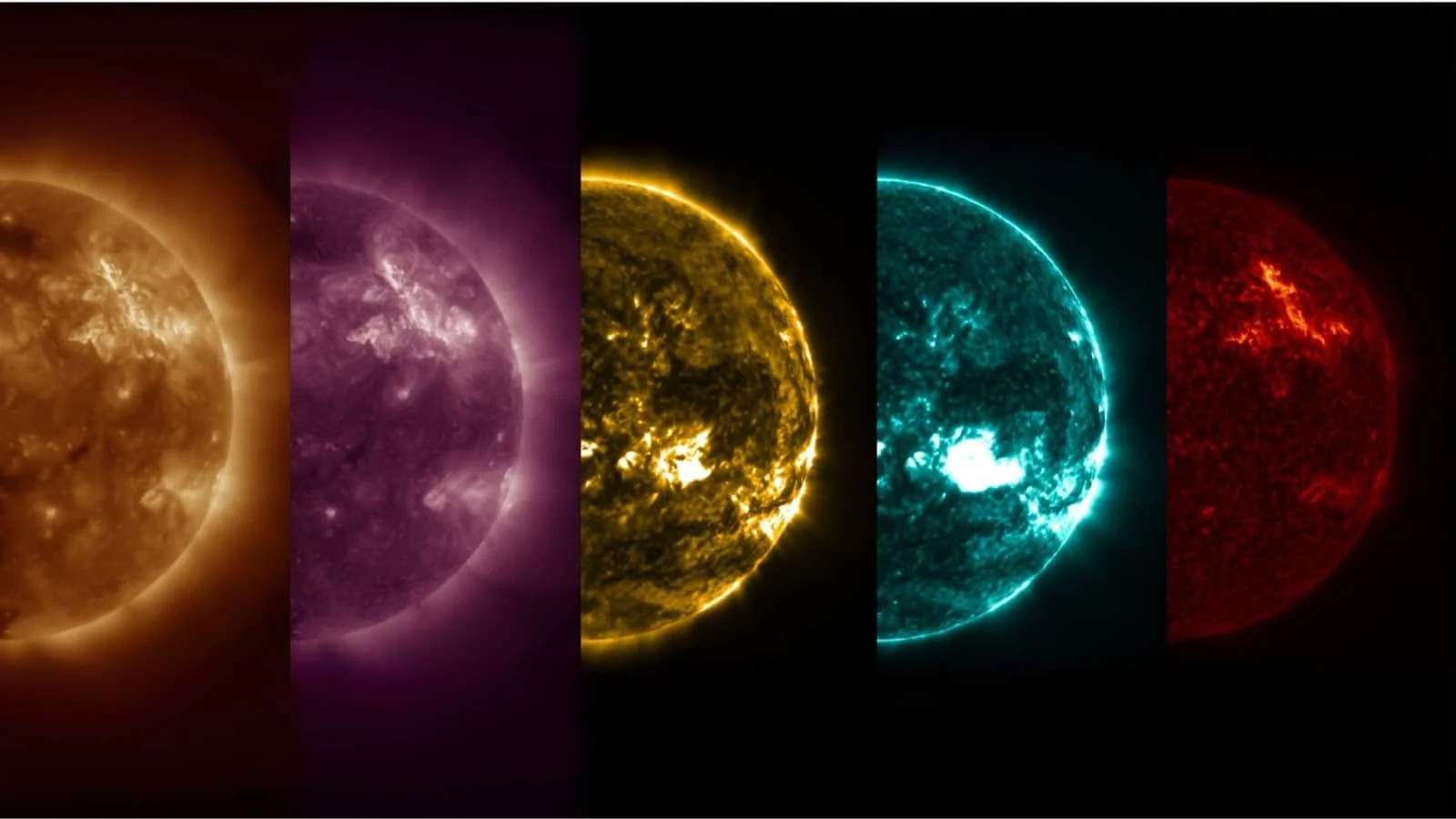
Surya was developed using nine years of NASA’s Solar Dynamics Observatory data and is designed to support scientists and industries in planning for solar storms.
According to the IBM blog, solar flares and coronal mass ejections can disrupt airline navigation, damage satellites, and pose risks to astronauts. Juan Bernabe-Moreno, director of IBM Research Europe, UK and Ireland, said, “Think of this as a weather forecast for space. Surya gives us unprecedented capability to anticipate what’s coming.”
Largest Curated Heliophysics Dataset
Surya was trained on the most extensive known curated heliophysics dataset, created to advance space weather research. It has shown a 16% improvement in classifying solar flares compared to earlier methods. For the first time, the model can visually predict where a solar flare might occur, up to two hours in advance.
Kevin Murphy, chief science data officer at NASA, said, “By developing a foundation model trained on NASA’s heliophysics data, we’re making it easier to analyse the complexities of the Sun’s behaviour with unprecedented speed and precision.”
The model is openly available on Hugging Face, allowing global researchers to build applications for specific regions and industries. It is part of a wider IBM-NASA collaboration to apply AI in planetary and space research. The partnership has previously released AI models for geospatial and weather data under the Prithvi project.
According to a risk report by Lloyd’s, the global economy could be exposed to an expected loss of $17 billion from the threat of a hypothetical solar storm. Recent solar events have already demonstrated the risk, according to the IBM blog.
These risks include damage to satellites, spacecraft and astronauts beyond Earth, as well as the loss of hardware such as solar panels and circuits. They also affect airline travel through navigation errors and radiation exposure, and agriculture through disruptions to GPS-based farming.
Spotted an error? Tell our editors. Read our editorial standards and corrections.