Key takeaways
- IBM unveiled the 433-qubit 'Osprey' processor, advancing quantum hardware and software.
- The announcement was made at the IBM Quantum Summit 2022, highlighting global advancements in quantum computing.
- IBM aims to scale up quantum technology across hardware, software, and classical computing.
- The new processor is seen as a step towards solving previously unsolved problems with quantum computing.
- Partnerships with clients and developers are integral to IBM's vision for quantum-centric supercomputing.
IBM recently announced a new breakthrough in quantum hardware and software outlining the pioneering vision for quantum-centric supercomputing. The advancement was unveiled during the annual IBM Quantum Summit 2022—exhibiting the company’s quantum ecosystem of clients, developers, and partners—that showcases useful advancements in quantum computing around the world.
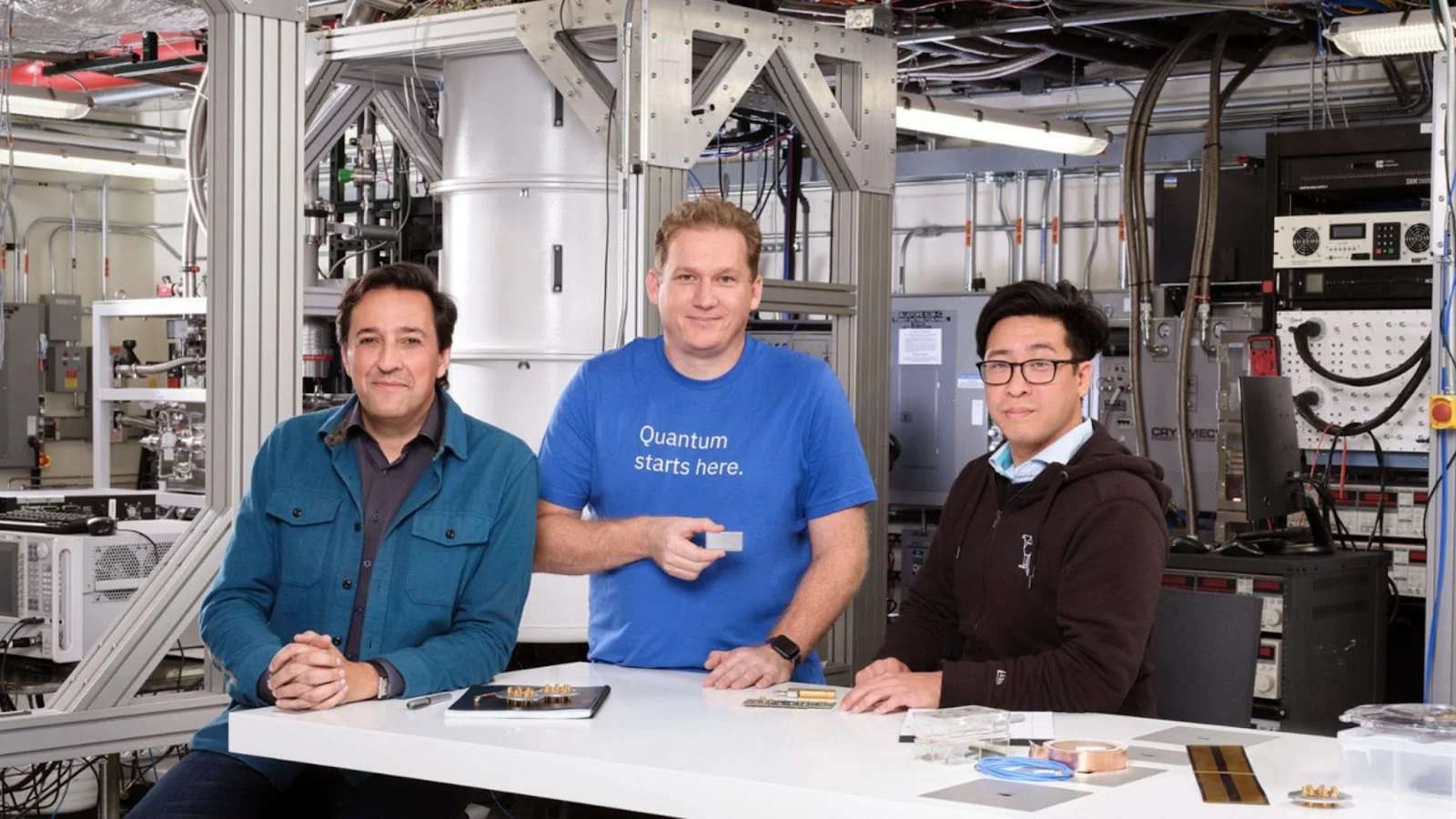
IBM and Director of Research and Senior Vice President Dr Darío Gil said that the new 433 qubit ‘Osprey’ processor brings them a step closer to the point where quantum computers will be used to tackle previously unsolved problems.
Further, he said that they are continuously scaling up their quantum technology across hardware, software, and classical computing, alongside partnering with customers worldwide. “This work will provide a foundation for the coming era of quantum-centric supercomputing,” said Gil.
IBM’s new 433-quantum bit (qubit) processor named ‘IBM Osprey’ has the largest qubit count of any firm’s quantum processor—tripling the 127 qubits on the recently launched IBM Eagle processor. The new processor runs complex quantum computations better than the computational capability of a classical computer.
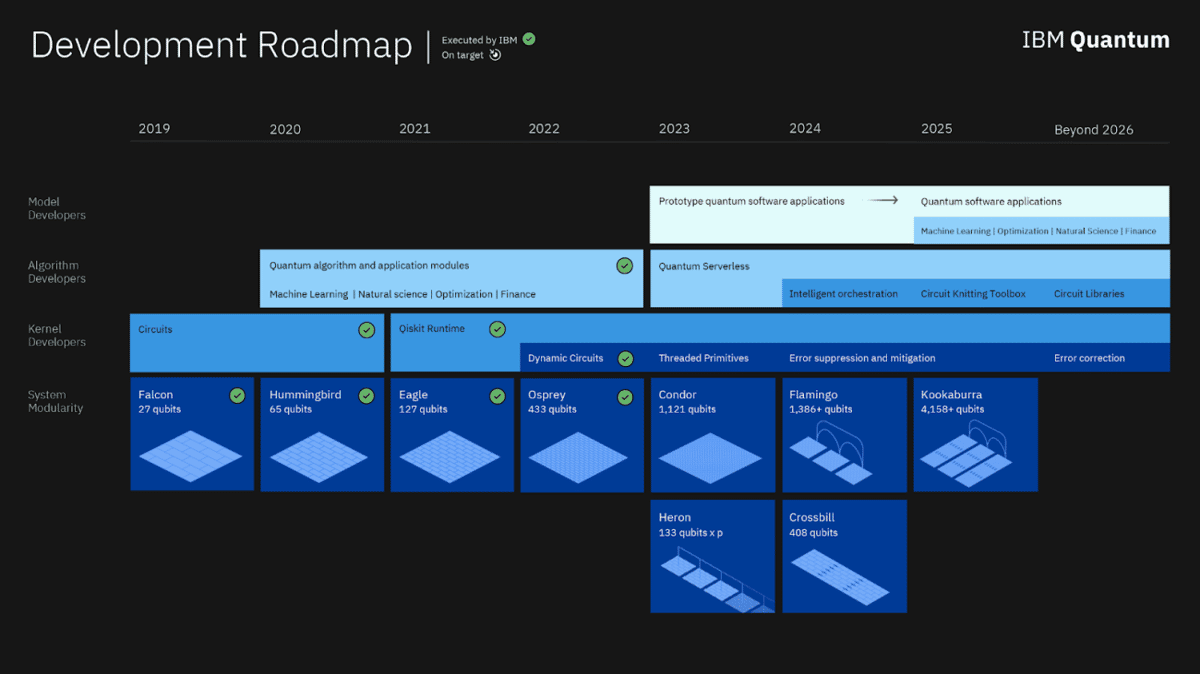
At the Global AI Summit, Scott Crowder, the VP and CTO at IBM, said: “If we continue to progress according to our roadmap. This year, we will demonstrate a 433 qubit system. Next year, we will demonstrate a 1000 plus qubit system.”
(Source: IBM)
Read: Behind IBM’s plans to build a 4000+ qubit quantum computer by 2025
Moreover, a beta update has been released to Qiskit Runtime, which will now let users trade speed for decreased error count by choosing a simple option in the API.
Furthermore, new details on the IBM Quantum System Two—which combines multiple processors into a single system using communication links—were introduced at the Summit. The company claims that the next generation system will be made online by the end of 2023—a building block of quantum-centric supercomputing—scaling further by employing a modular architecture to classical workflows and integrating quantum seamlessly.
In May 2022, at Think Conference, IBM had revealed its intent to develop a 4000+ qubit quantum computer by 2025. In 2019, IBM debuted its first integrated quantum computing system, called the ‘IBM Quantum System One’. In 2020, the tech giant revealed the roadmap to build a suite of scalable, larger and better processors.
Spotted an error? Tell our editors. Read our editorial standards and corrections.