
Researchers from IIT Mandi, National Brain Research Centre, India and University at Buffalo, USA, have performed mathematical simulation studies on non-invasive brain simulation techniques to understand the physiological effects of non-invasive brain stimulation.
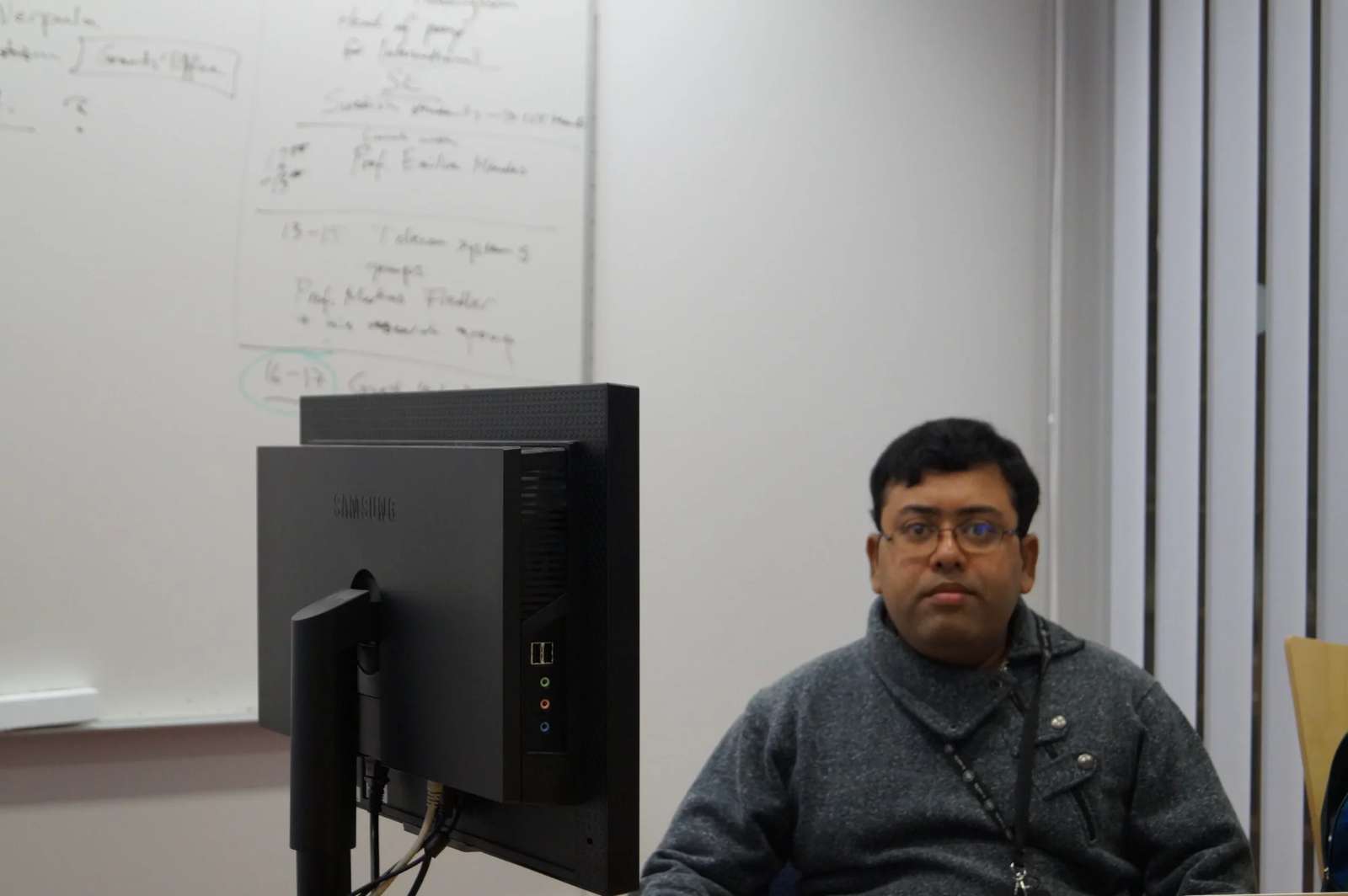
Dr Shubhajit Roy Chowdhury, Associate Professor, School of Computing & Electrical Engineering at IIT Mandi, said, “We simulated a physiologically detailed mathematical model of the neurovascular unit (NVU) with four compartments: synaptic space, astrocyte space, perivascular space, and arteriole smooth muscle cell space, called NeuroVascular Units or NVU.”
The model involves the application of perturbations of varying frequencies (0.1 Hz to 10 Hz) to simulate the electrical field to the four nested NVU compartmental pathways and analyse the changes in blood vessel diameter in response to the frequencies.
In a transcranial electrical stimulation (tES), electrodes are applied to the scalp of the patient, and current is passed between the electrodes. Part of the current penetrates into the brain and affects the nerves. tES is used as a curative and to map the functions of the brain. But, the electricity in the nerves can be dangerous if outcomes are not known. It is essential to understand the response of various blood vessels in the cranium and various neurological pathways. The research team has developed a mathematical model to understand the physiological effects to get the maximum benefit of the procedure, with minimum damage.
To investigate their physiological effects, the researchers modelled transcranial direct current stimulation (tDCS), transcranial oscillatory current stimulation (tOCS) and transcranial alternating current stimulation (tACS). The initial tES effects on the blood vessels were also found to occur via the perivascular space - a fluid-filled space surrounding the blood vessels in the brain.
A mathematical model based quantitative analysis helps in individualised therapeutic protocols for neuropsychiatric disorders. “Our study can help brain- and neuro-specialists plan patient-specific restorative neurorehabilitation activities for stroke, post-traumatic brain injury, mild cognitive impairment, dementia, and other neuropsychiatric disorders,” said the researcher.
- Google’s Project Suncatcher Satellite Generates First AI Response in Orbit
- DeepSeek Proposes Super-Agent Architecture to Automate AI Coding Workflows
- Arrowhead AI Launches Fletch Voice Model for Multilingual Customer Calls
- Amazon Warns Engineers Against AI Productivity Traps in Latest Memo
- Gnani AI Launches Prisma v3.0 Speech Recognition Model for 10 Languages
- Venttup Raises $3 Million To Expand Precision Manufacturing