Key takeaways
- Intel and Google Cloud have co-designed the E2000 chip to enhance data centre performance.
- The E2000 chip improves security by creating secure routes between cores for cloud customers.
- Cloud companies are seeking to boost productivity as algorithms and data sets become more complex.
- Google Cloud will offer the E2000 in a new product, the C3 VM, alongside Intel's latest Xeon processors.
- The collaboration aims to streamline data packaging, reducing reliance on expensive CPUs for networking tasks.
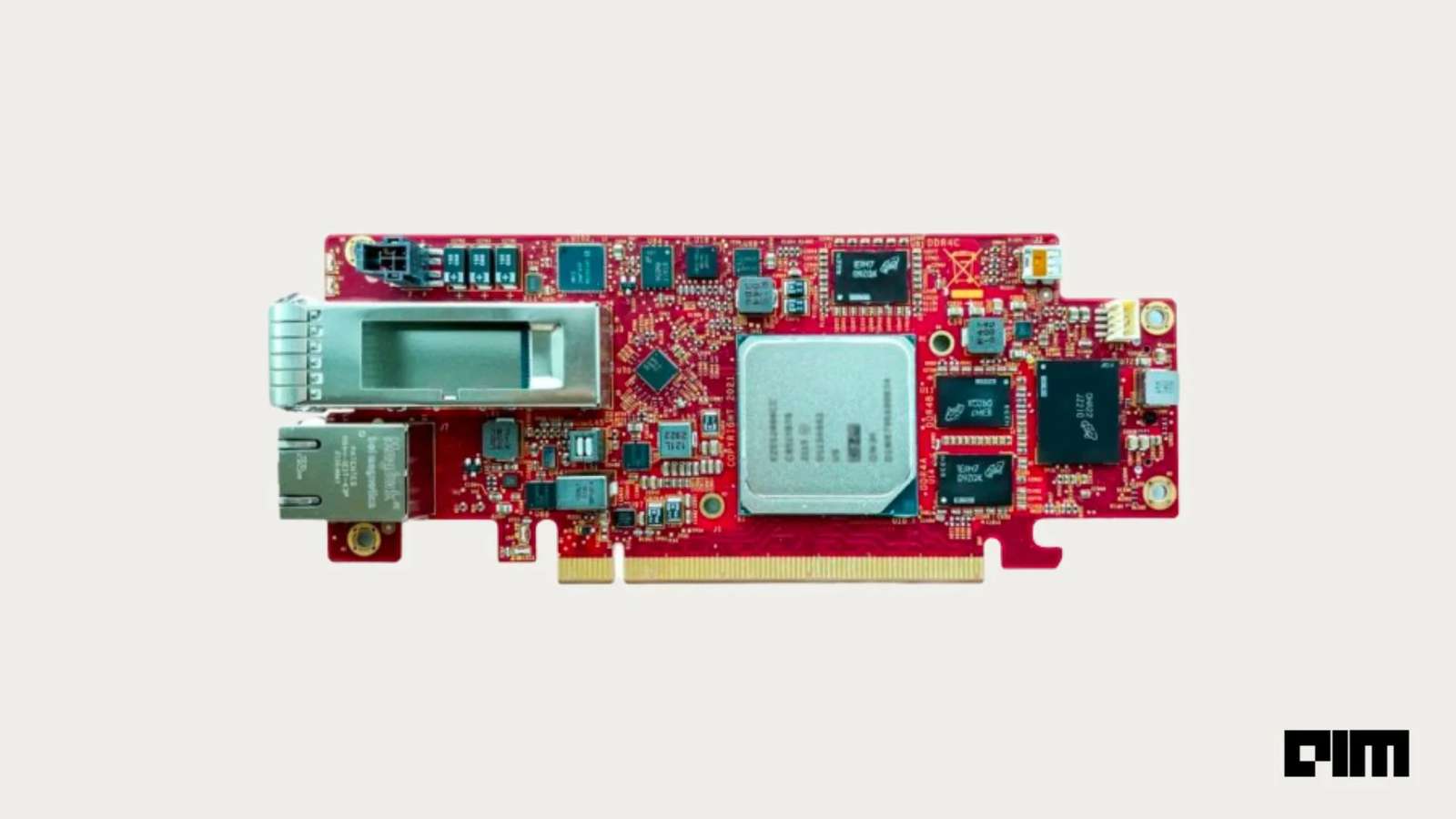
Multinational firm Intel Corp and Google Cloud on Tuesday launched a co-designed chip to improve data center performance. The E2000 chip – code-named Mount Evans – takes over packaging data for networking from expensive CPUs that perform main computing.
Google's vice president of engineering, Amin Vahdat claims that the co-designed chip offers better security between different customers sharing CPUs in the cloud. He says, "We do consider ourselves to be the open cloud, and to the extent that others take advantage of the capabilities here, we're thrilled."
The chips are made up of basic processors called cores and there can be hundreds of cores on a chip. The E2000 chip would create secure routes to each core to prevent possible scenarios of information bleed between them.
Various companies run increasingly complex algorithms and use progressively bigger data sets, which may slow down the performance of the chips in CPUs. Therefore, cloud companies look for ways to make the data center more productive.
Nick McKeown, senior vice president at Intel's Network and Edge Group, said Intel can sell the E2000 to other customers. “Google Cloud is starting to offer the E2000 in a new product called C3 VM, which will be powered by Intel's fourth-generation Xeon processors,” said Vahdat.
Xeon chips are Intel's most powerful CPUs and Google Cloud is the first cloud service to deploy the latest generation of those chips, Intel claims.