Key takeaways
- ISRO successfully achieved autonomous in-space docking, marking a historic milestone for India.
- India becomes the fourth country, joining the US, Russia, and China in space docking capabilities.
- The SpaDeX mission involved two satellites, SDX01 and SDX02, weighing approximately 220 kg each.
- This achievement paves the way for future missions like Chandrayaan-4 and Gaganyaan.
- The satellites were launched on December 30, 2024, aboard the PSLV C60 rocket.
India has joined the elite group of nations capable of autonomous in-space docking after the Indian Space Research Organisation (ISRO) successfully docked its Space Docking Experiment (SpaDeX) satellites early on Thursday.
This achievement positions India alongside the United States, Russia, and China in mastering this critical space technology. ISRO took to X to announce this breakthrough and walk through the docking process.
SpaDeX Docking Update:
— ISRO (@isro) January 16, 2025
🌟Docking Success
Spacecraft docking successfully completed! A historic moment.
Let’s walk through the SpaDeX docking process:
Manoeuvre from 15m to 3m hold point completed. Docking initiated with precision, leading to successful spacecraft capture.…
The SpaDeX mission involved two satellites, SDX01 (Chaser) and SDX02 (Target), each weighing approximately 220 kilograms.
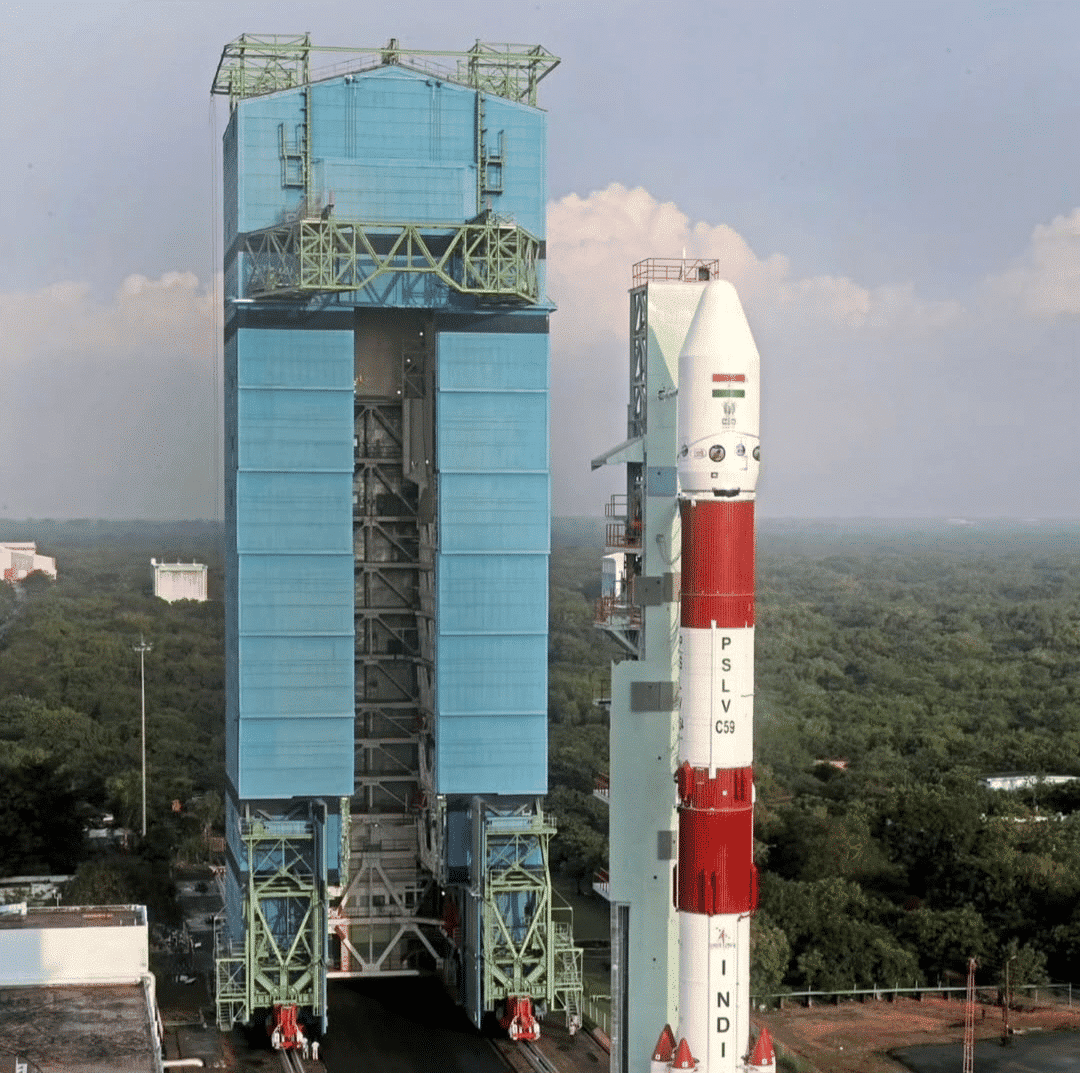
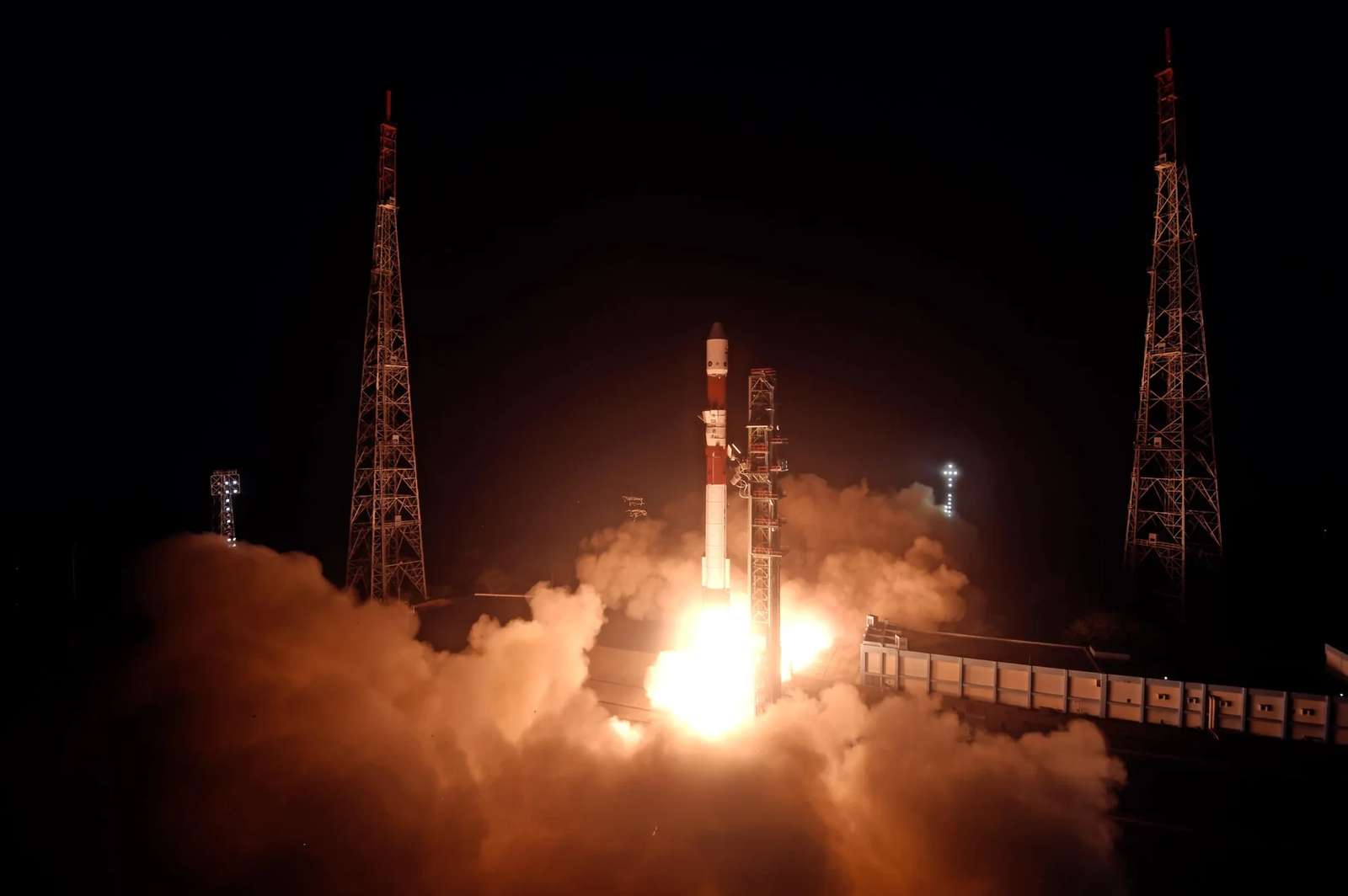
Launched on 30 December 2024 aboard the PSLV C60 rocket, the satellites were initially placed in a 475-kilometre circular orbit. Over a series of manoeuvres, the gap between the satellites was reduced from 1.5 kilometres to just 3 metres before the successful docking.
The newly appointed ISRO chairman, V Narayanan, also congratulated the team on this major milestone. Additionally, Indian PM Narendra Modi and Union MoS science and technology Jitendra Singh also took to X to share the news.
Congrats #ISRO. Finally made it. SPADEX has accomplished the unbelievable… docking complete… and it is all indigenous “Bharatiya Docking System”. This paves the way for smooth conduct of ambitious future missions including the Bharatiya Antriksha Station, Chandrayaan 4 &…
— Dr Jitendra Singh (@DrJitendraSingh) January 16, 2025
The docking, which was initially planned for earlier dates in January, faced technical challenges that delayed the mission. After adjustments, ISRO declared both satellites in good health and ready for operation, which has now been celebrated as a milestone for India’s space programme.
The success of the SpaDeX mission has critical implications for future projects, including the Chandrayaan-4 lunar mission, which aims to dock above the Moon for sample return, and the crewed Gaganyaan mission. It also advances plans for the Bharatiya Antariksh Station (BAS), a proposed space station.
The organisation had also recently shared the live working video of its Relocatable Robotic Manipulator-Technology Demonstrator (RRM-TD), also known as the ‘walking robotic arm’.
This groundbreaking mission not only provided an opportunity to conduct experiments from ISRO/DOS centres but also provided a chance for scientific exploration by various non-government entities, comprising academia and startups.
Some of them also shared updates on the success of their missions. Manastu Space aimed to demonstrate a thruster based on monopropellant through this mission.
Proud to announce the 100% success of Mission Adyanta!
— Manastu Space (@ManastuSpace) January 14, 2025
On Jan 13, Vyom 2U fired 120+ seconds, imparting 1.5°/sec angular velocity, showcasing unmatched precision.
🌏 325+ hours in space
🔧 Fully functional
🔥 150+ seconds cumulative firing
Next breakthrough is coming—stay tuned! pic.twitter.com/iTtaESfo46
Other participating startups include Bengaluru-based Bellatrix Aerospace and GalaxEye Space Solutions Private Limited, Mumbai’s Manastu Space Technologies Private Limited, Andhra Pradesh’s N Space Tech, Hyderabad’s TakeMe2Space, and Ahmedabad’s PierSight Space.
This milestone underscores India’s growing ambitions in space exploration and solidifies its position as a leader in space technology.
Spotted an error? Tell our editors. Read our editorial standards and corrections.