Key takeaways
- ONDC is set to launch beta testing in Bengaluru with over 200 merchants in grocery and food & beverages.
- The initiative will involve multiple buyer-side apps, including Paytm, IDFC, and CraftsVilla.
- Consumers will have greater flexibility, accessing a wide range of sellers through various apps without being tied to a single platform.
- Major logistics companies like Dunzo and LoadShare are participating in the pilot phase.
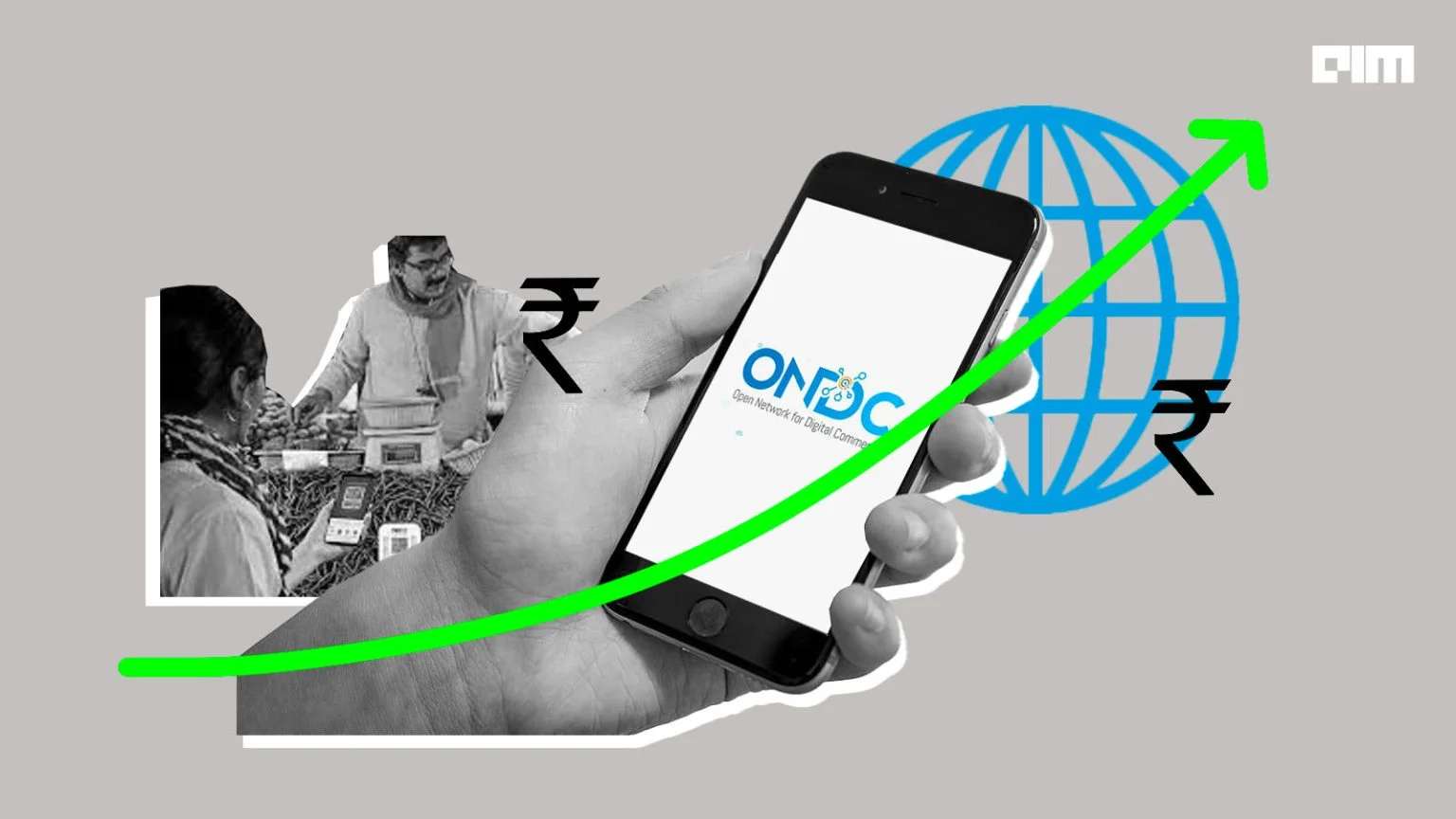
Government-backed initiative ONDC (Open Network for Digital Commerce) is commencing its beta testing with public users in Bengaluru on September 30, 2022. An official familiar with the news said that the soft launch will feature over 200 merchants across grocery and F&B (food & beverages).
Besides Paytm, ONDC is set to go live in Karnataka with four other buyer-side apps such as private sector lender ‘IDFC’, e-commerce firm ‘CraftsVilla’, rural fintech company ‘Spice Money’, and e-commerce platform ‘MyStore’. Further, seven more buyer apps including Flipkart-owned PhonePe and Kotak Mahindra Bank are also under implementation at advanced stages.
Ram Rastogi, Chairman, Governance Council, Fintech Association for Consumer Empowerment (FACE) shared the news in a LinkedIn post. He said, “As companies with substantial user bases like telecom operators, banks and social media platforms sign up for ONDC, a consumer will no longer be dependent on a particular e-commerce platform. They can access the network with their bank, telecom or chat app, or any entity that is a buyer-side partner on ONDC. Whichever buyer side app the consumer uses, they will have access to the entire list of sellers present on the network.”
Major logistics players such as Dunzo and LoadShare are also piloting on the platform, with Shiprocket expected to go live in a few weeks, bringing intercity shipping capabilities. Other firms such as Grab and Flipkart’s logistics arm ‘eKart’ are at their final stages of integration.
Established by the Department for Promotion of Industry and Internal Trade (DPIIT), ONDC is a private, non-profit company similar to the National Payments Corporation of India (NPCI) which runs the UPI platform.
Currently, about 60% of India’s e-commerce market is controlled by two US-based platforms i.e., Amazon and Flipkart.
Sources say that the network has set a 3% cap on the buyer-side commission (charged from seller-side apps) while the seller-side commission (charged from the merchants) is about 10–15%, as against 25–40% charged by platform-based marketplaces.
Spotted an error? Tell our editors. Read our editorial standards and corrections.