Key takeaways
- Astrophel Aerospace develops India's first indigenous cryogenic pump for rocket engines, enhancing local innovation.
- The pump, capable of 25,000 RPM, will power the upcoming Astra C1 rocket engine.
- Astrophel plans to upgrade the pump into a turbopump for future engine stages by late 2026.
- The startup seeks global partnerships to explore export opportunities in the space and oil industries.
- Recent funding of ₹6.84 crore will support the development of a reusable launch vehicle and guidance systems.
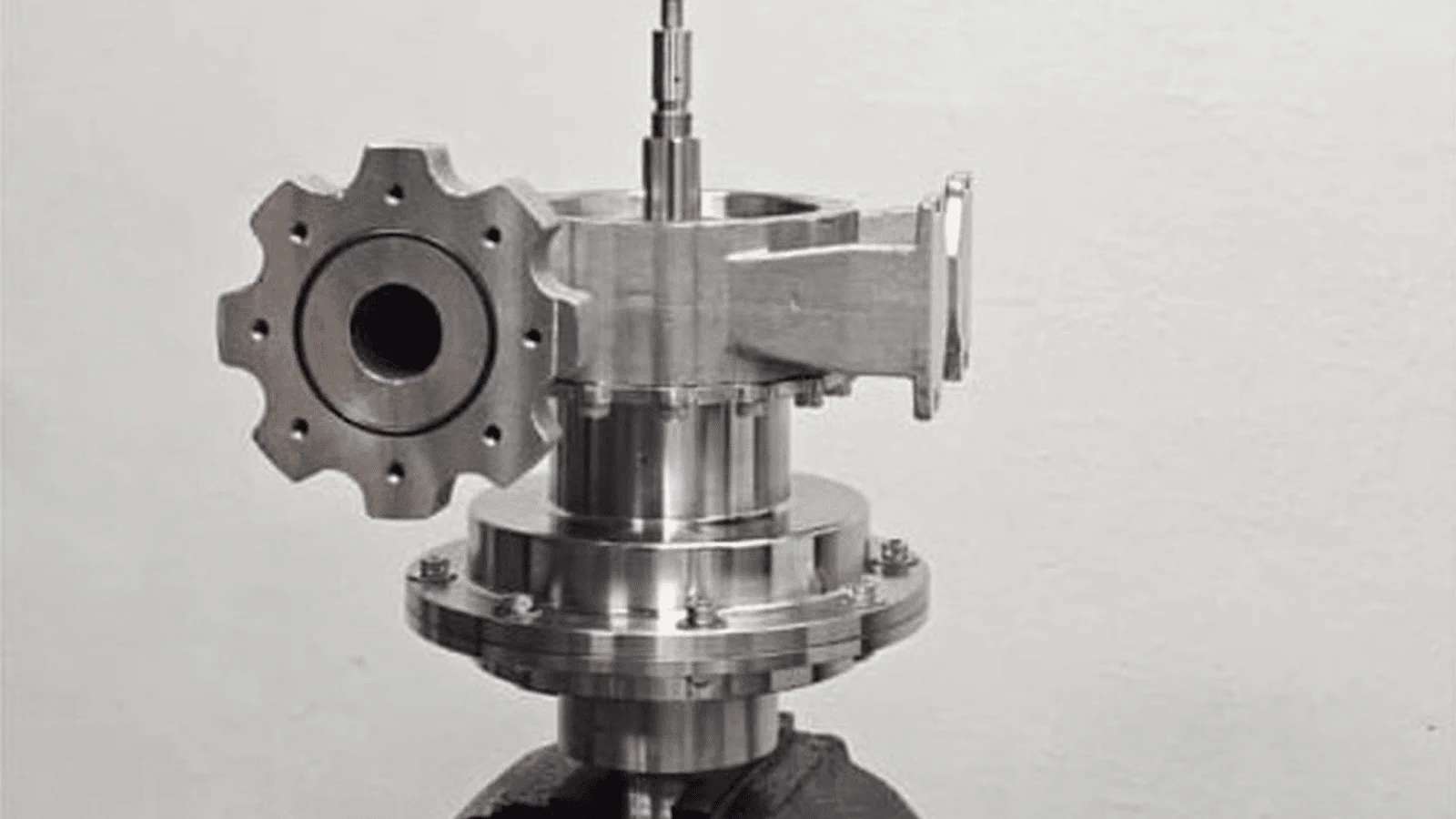
Astrophel Aerospace, a space tech startup from Pune, has developed an indigenous cryogenic pump designed to power its upcoming Astra C1 rocket engine. The pump, capable of spinning at 25,000 revolutions per minute, is undergoing testing at Indian Space Research Organisation (ISRO) facilities.
The company plans to upgrade it into a turbopump for integration into its first and second stage engines by late 2026.
Astrophel announced the development, stating that it positions the firm among the first private Indian startups to build an in-house cryogenic pump. “This milestone is a testament to how India can indigenously develop advanced propulsion technologies at a fraction of global costs,” Suyash Bafna, co-founder of Astrophel Aerospace, said.
The company recently raised ₹6.84 crore (~$800,000) in a pre-seed funding round to develop a reusable semi-cryogenic launch vehicle and missile-grade guidance systems.
Testing and Global Plans
The company is also preparing to sign a memorandum of understanding with a US-based partner (unnamed them as of now) and exploring global collaborations for export opportunities at the sub-component level. These efforts aim to meet rising demand in both the space sector and industries such as oil and gas, which use cryogenic liquids.
According to Astrophel, the pump, though the size of a one-litre bottle, produces 100 to 150 horsepower, equivalent to a family car. The turbopump version will scale this to 500 to 600 horsepower for larger launch vehicles.
“ISRO’s certification will validate not just our pump, but India’s ability to innovate world-class space hardware with global export opportunities,” Bafna added.
Astrophel’s announcement comes as India works to expand its space economy from $8.4 billion in 2022 to $44 billion by 2033, aiming to capture 8% of the global market.
“This milestone represents the culmination of years of frugal engineering and is a stepping stone toward India’s first privately developed gas generator cycle,” Immanuel Louis, co-founder of Astrophel Aerospace, said.
Spotted an error? Tell our editors. Read our editorial standards and corrections.