
5 min
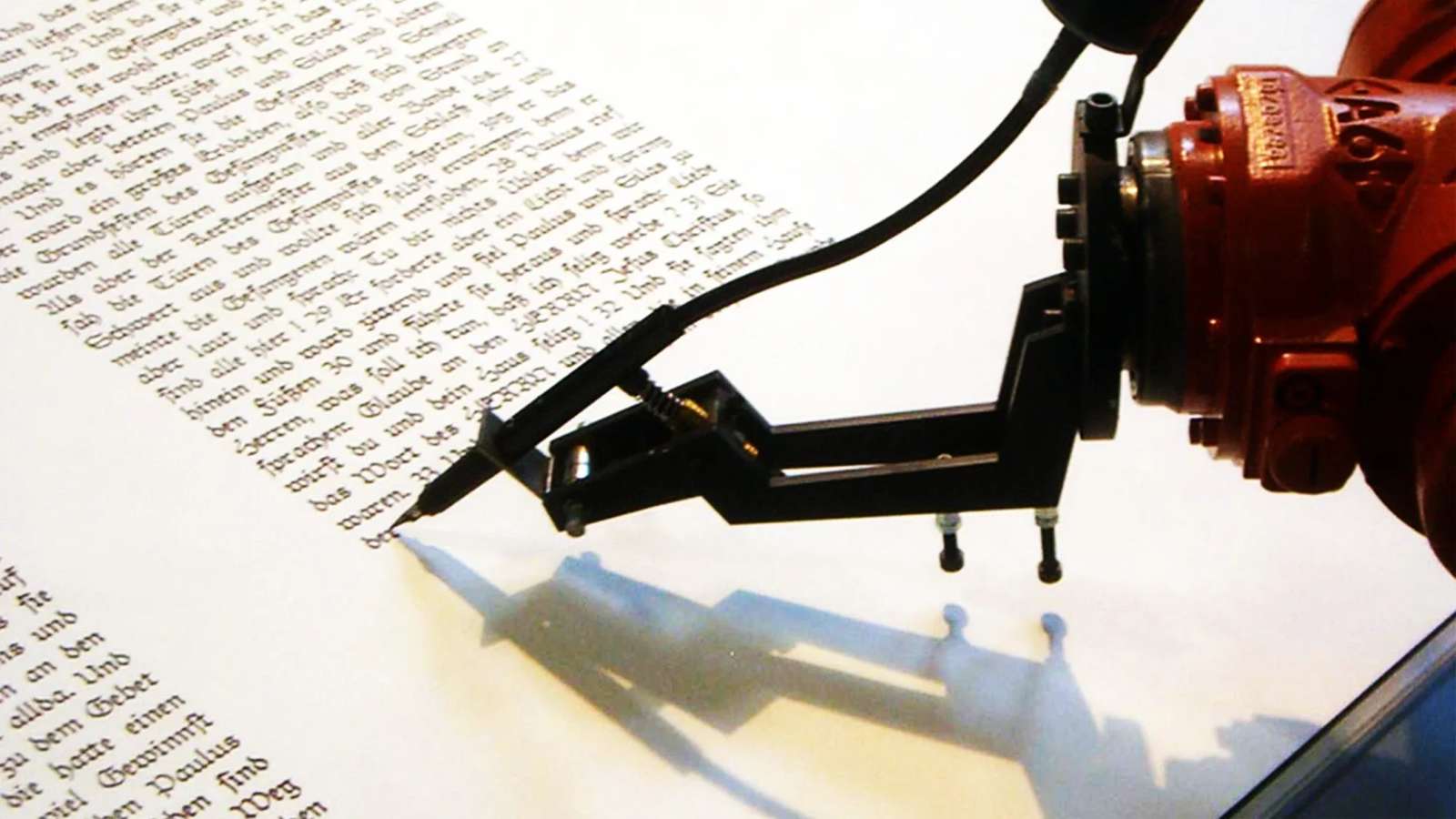
[caption id="attachment_16229" align="alignnone" width="2560"]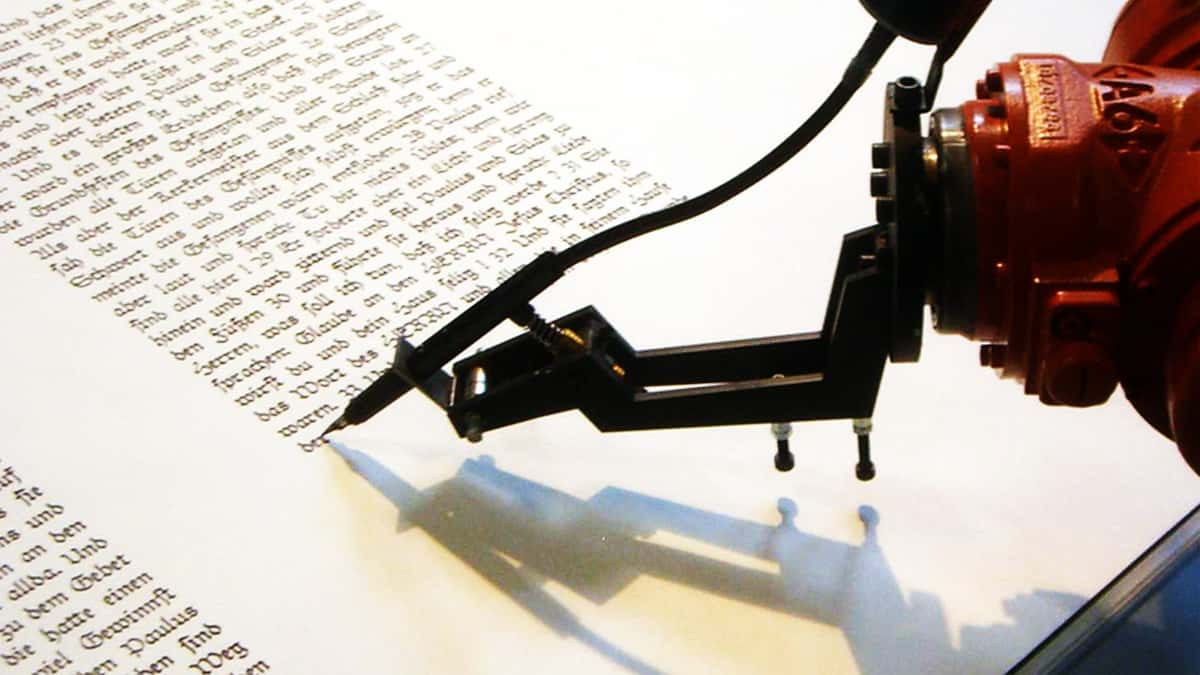 Robots as journalists?[/caption]
Graduating from menial chores on mobile phones and personal computers, artificial intelligence seems to be on its way to our houses and timelines in the form a highly trustworthy medium -- the news.
Now, Google has granted a fund of over €706,000 to Press Association, the national news agency for the UK and Ireland, and Urbs Media, a start-up that specialises in data-driven news, to create automated news stories for media outlets.
The RADAR -- Reporters And Data And Robots -- is set to automate "compelling local stories" with large public databases from local law enforcement or government agencies for hundreds of media outlets.

 At a time in India when journalism is seeing a marked shift from the print and television media to a more interactive medium of online reporting, this news comes as a natural step towards the inevitable.
While automating local news may be a step ahead for us, India has already witnessed a rise in data-driven journalism, thanks to the Right to Information Act, 2005.
In the meantime, RADAR, which is scheduled for launch in early 2018, will hire only five journalists who will help identify the "data sets" and curate and edit news articles generated with the help of the software.
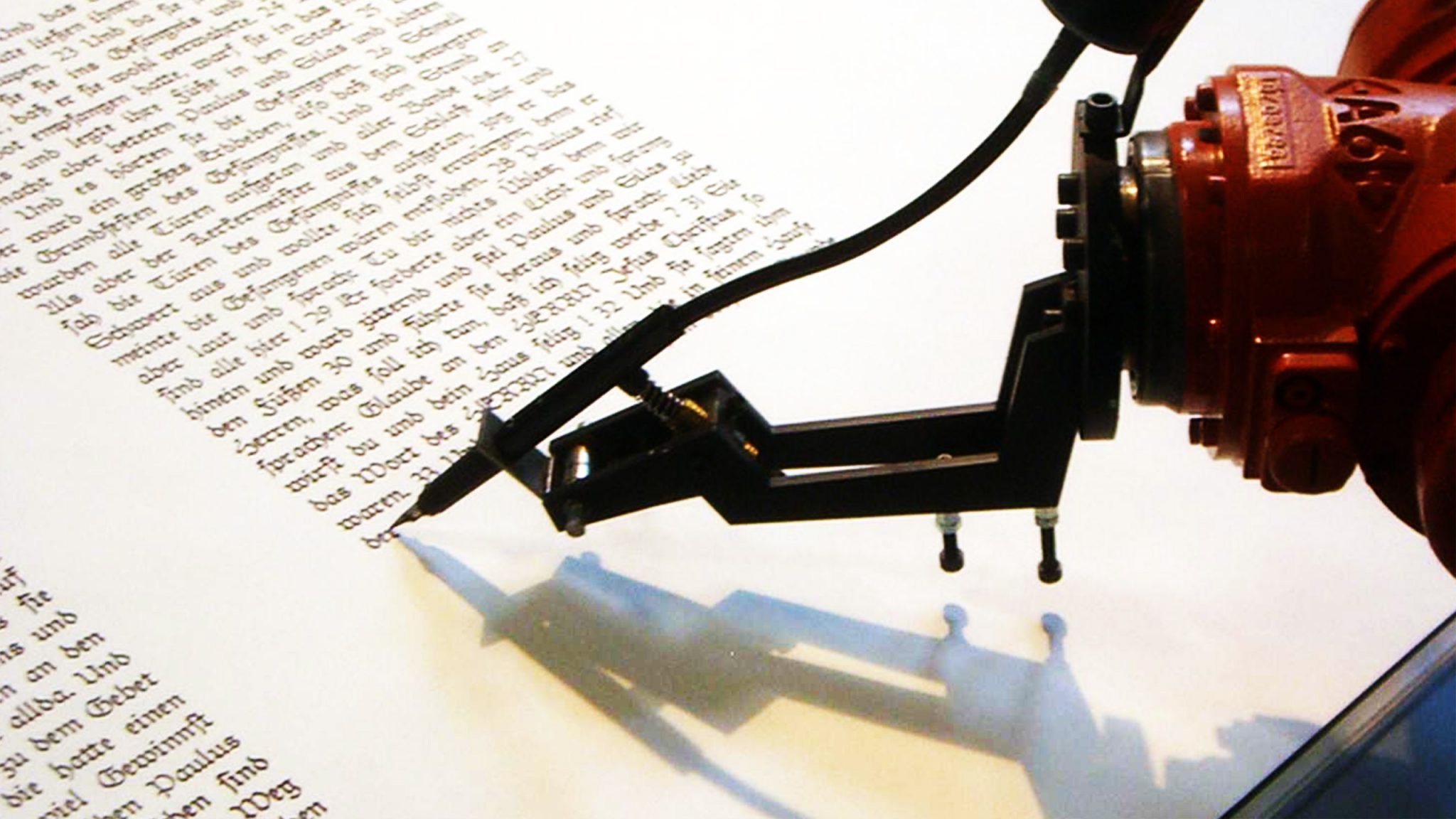 Robots as journalists?[/caption]
Graduating from menial chores on mobile phones and personal computers, artificial intelligence seems to be on its way to our houses and timelines in the form a highly trustworthy medium -- the news.
Now, Google has granted a fund of over €706,000 to Press Association, the national news agency for the UK and Ireland, and Urbs Media, a start-up that specialises in data-driven news, to create automated news stories for media outlets.
The RADAR -- Reporters And Data And Robots -- is set to automate "compelling local stories" with large public databases from local law enforcement or government agencies for hundreds of media outlets.
"Skilled human journalists will still be vital in the process, but RADAR will allow us to harness artificial intelligence to scale up to a volume of local stories that would be impossible to provide manually," Peter Clifton, Editor-in-Chief of the Press Association explained in a statement.
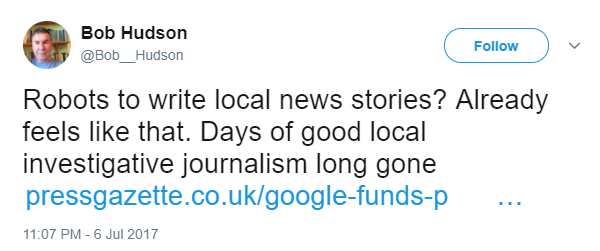
 At a time in India when journalism is seeing a marked shift from the print and television media to a more interactive medium of online reporting, this news comes as a natural step towards the inevitable.
While automating local news may be a step ahead for us, India has already witnessed a rise in data-driven journalism, thanks to the Right to Information Act, 2005.
In the meantime, RADAR, which is scheduled for launch in early 2018, will hire only five journalists who will help identify the "data sets" and curate and edit news articles generated with the help of the software.
- AI Productivity to Add $28 Billion to $84 Billion to India's GDP: Cognizant Study
- OpenAI's Codex Helps in Aerodynamic Engineering for Mazda
- Bengaluru Accounts for 34% of India's FDE Talent: Report
- 84% See AI Productivity Gains, but Only 10% Allow Agent Autonomy: TCS Study
- Snowflake Introduces Business Ontology, Cortex AI Gateway to Bring AI Agents Into Enterprise Workflows
- Three Members Behind Claude Code Leave Anthropic Within 10 Days