Key takeaways
- Stable Diffusion faces accusations of using artists' work without permission for its AI-generated images.
- The debate around AI-generated art intensifies as artists claim their work is being used as training data without consent.
- The open-source nature of Stable Diffusion has made it easier to identify the sources of its training images.
- Significant portions of Stable Diffusion's dataset include images from platforms like Pinterest and Fine Art America.
- The controversy raises questions about the authenticity and ethics of art created with artificial intelligence.
Artist Jason Allen’s recent comments have added fuel to the ongoing fiery debate in the artist community about the authenticity of artworks created with the help of artificial intelligence systems. Allen recently gained fame for winning the first prize at the Colorado State Art Fair for his artwork, ‘Théâtre D'opéra Spatial’, which was made using Midjourney, an AI text-to-image generator.
Several artists believe that what the art generators are doing is a direct theft, as the dataset that these modules are trained on includes their art. This was much harder to prove earlier when models like DALL-E 2 and Midjourney weren’t open-source. However, all that changed when Stable Diffusion, a comparatively similar AI art generator, decided to go open source.
Developers quickly found a way to extract 12 million images from more than two billion datasets and make them available to the general public. However, with the mass availability of these images, it was soon discovered that Stable Diffusion used images from websites like Pinterest (8.5% of the total dataset). Around 698k images (5.8%) were scrapped from Fine Art America, which ironically sells art prints and posters. Other websites included Smugmug, Blogspot, DeviantArt, Wikimedia, Tumblr and more.
Popular digital artist RJ Palmer has also voiced concerns over this mass extraction of artworks by AI generators.
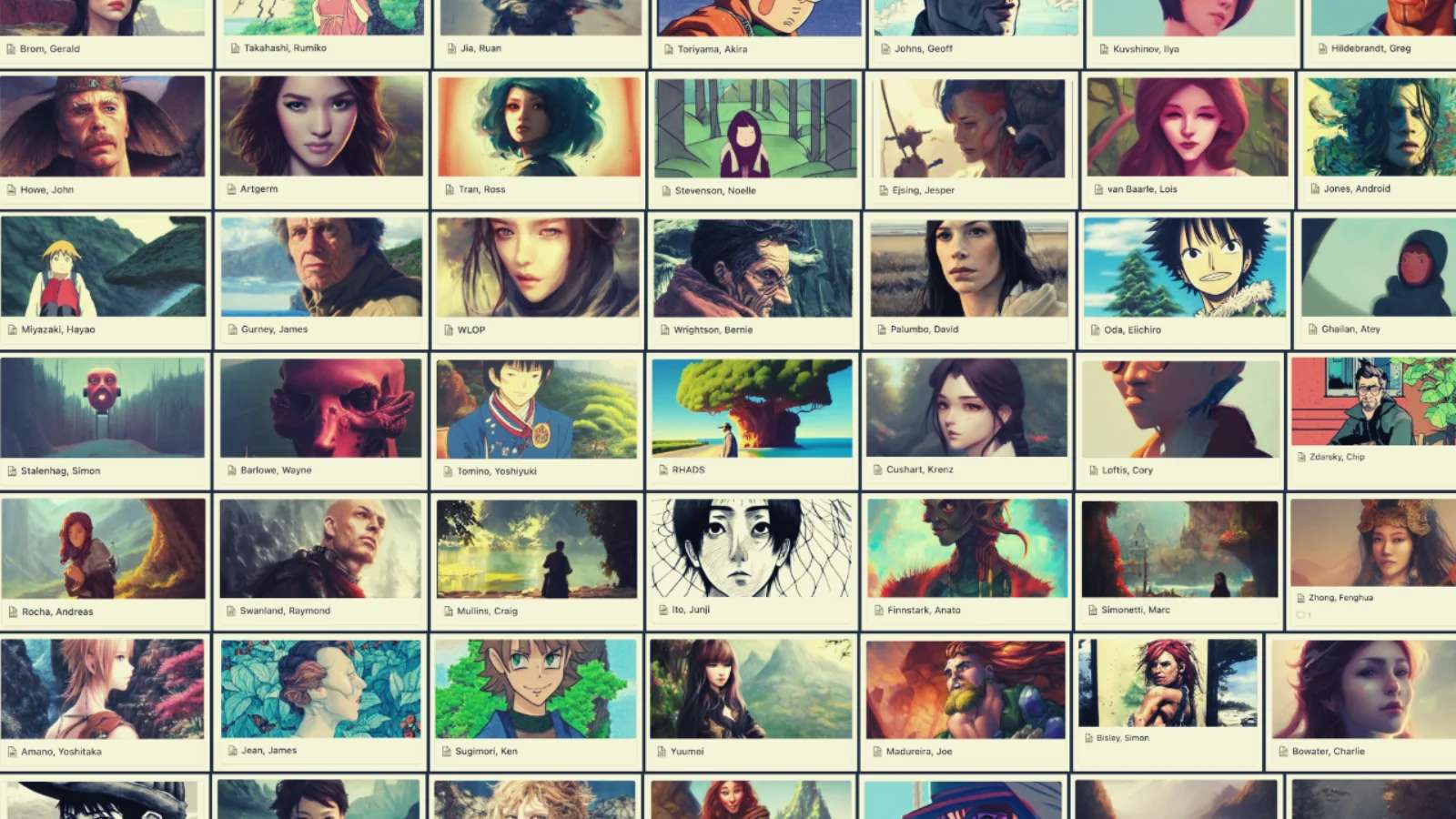
Addressing the issue on Twitter, Palmer claims that Stable Diffusion’s “Artist style” labels are, in fact, blatant attempts to steal the jobs of artists.
Spotted an error? Tell our editors. Read our editorial standards and corrections.