
Key takeaways
- TCS has surpassed IBM in market capitalisation, achieving a significant milestone in the technology sector.
- The company has shifted focus towards emerging technologies, contributing to its impressive market performance.
- TCS's analytics division generates over $2 billion annually, highlighting its importance in digital revenue.
- Under CEO Rajesh Gopinath, TCS has reorganised its structure to enhance its digital business offerings.
- The company has moved away from mass hiring, prioritising niche candidates with expertise in advanced technologies.
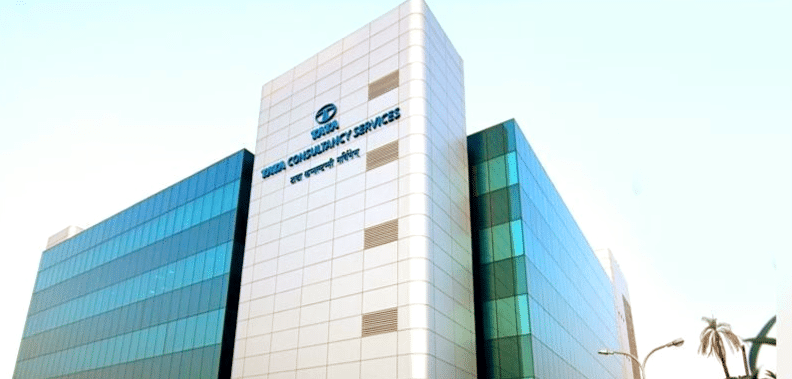 Indian tech behemoth TCS on Monday achieved a momentous feat when it surpassed global technology giant IBM in terms of market capitalisation. At the close of Monday’s trade, TCS’s market capitalisation was $120.5 billion, while in early trade in New York, IBM was at $119.6 billion.
TCS also surpassed Reliance Industries (which in turn overtook IBM) to become the most valued firm by market capitalisation in the Indian stock market.
Analysts are have suggested that this massive jump could be because of the company's new direction towards emerging tech. We had earlier reported that TCS had increased their hiring in IT by 377%. The company reportedly had stopped mass hiring and is now focussing on employing niche candidates who have expertise in artificial intelligence, blockchain, data mining and analytics, among others.
In fact, TCS, which was also ranked as the world’s fastest-growing IT brand, gets over $2 billion per year only through its analytics business, making it the largest chunk of its digital revenue.
There have been several positive changes in the company after Rajesh Gopinath took charge as the CEO of TCS in February 2017. He reorganised the company in a way that would focus on its digital business. Larger service under the TCS umbrella, such as application development and maintenance, were broken down into smaller units such as enterprise application services, cloud applications, micro-services and APIfication. Cloud infrastructure was also set up to be a separate unit.
Spotted an error? Tell our editors. Read our editorial standards and corrections.