
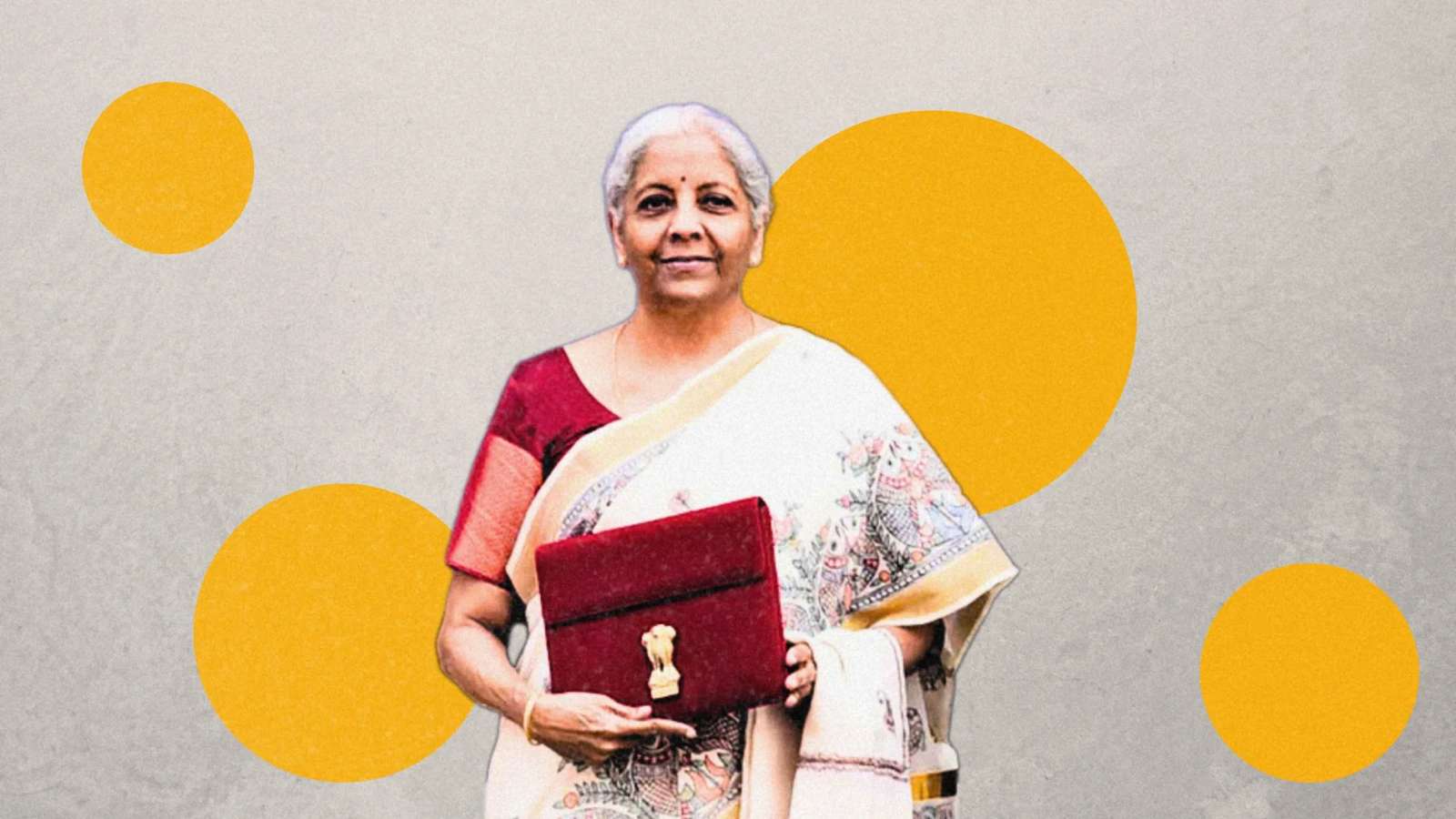
Finance Minister Nirmala Sitharaman proposed a ₹10,000-crore Biopharma SHAKTI (Strategy for Healthcare Advancement through Knowledge, Technology and Innovation) mission to boost domestic production of biologics and biosimilars. She also announced a slate of healthcare measures spanning medical tourism hubs, workforce skilling and duty relief on critical drugs.
Presenting the Union Budget 2026, Sitharaman said the five-year Biopharma SHAKTI programme is aimed at building a robust ecosystem for advanced pharmaceutical manufacturing and reducing India’s reliance on imports. “[Biopharma SHAKTI] will build the ecosystem for domestic production of biologics and biosimilars,” she said.
As part of the strategy, the government will create a biopharma-focused education and research network, including establishing three new National Institutes of Pharmaceutical Education and Research (NIPERs) and upgrading seven existing institutes. The plan also includes setting up a nationwide network of 1,000 accredited clinical trial sites to strengthen India’s clinical research capacity.
Healthcare Workforce Skilling
The Budget placed significant emphasis on healthcare workforce development. Sitharaman announced large-scale skilling initiatives to bolster the care ecosystem, covering geriatric and allied care services.
“A variety of NSQF (National Skills Qualification Framework)-aligned programmes will be developed to train multi-skilled caregivers, combining core care competencies with allied skills such as wellness, yoga and the operation of medical assistive devices,” she said, adding that 1.5 lakh caregivers will be trained in the coming year.
To address shortages in allied health professionals, existing institutions will be upgraded, and new allied health professional (AHP) institutions will be set up in both the public and private sectors. These institutions will cover 10 selected disciplines, including optometry, radiology, anaesthesia, operation theatre technology, applied psychology and behavioural health, and are expected to add 1 lakh AHPs over the next five years.
Medical Tourism
Medical tourism also featured prominently in the Budget. To promote India as a global destination for healthcare services, Sitharaman proposed a new scheme to support states in establishing five regional medical tourism hubs in partnership with the private sector.
“These hubs will function as integrated healthcare complexes combining medical education, research, diagnostics, post-care and rehabilitation facilities,” she said. The hubs will also house AYUSH centres and medical tourism facilitation centres, while creating employment opportunities for doctors and allied health professionals.
In a move aimed at easing the financial burden on patients, particularly those undergoing cancer treatment, the finance minister proposed to exempt basic customs duty on 17 drugs and medicines. She also announced that seven additional rare diseases will be added to the list of conditions eligible for customs duty exemption on personal imports of drugs, medicines, and food for special medical purposes used in their treatment.
“Our objective is to make healthcare more affordable, accessible and globally competitive,” Sitharaman said, underscoring the government’s focus on integrating manufacturing, research, skills and services under a unified healthcare strategy.
- AI Productivity to Add $28 Billion to $84 Billion to India's GDP: Cognizant Study
- OpenAI's Codex Helps in Aerodynamic Engineering for Mazda
- Bengaluru Accounts for 34% of India's FDE Talent: Report
- 84% See AI Productivity Gains, but Only 10% Allow Agent Autonomy: TCS Study
- Snowflake Introduces Business Ontology, Cortex AI Gateway to Bring AI Agents Into Enterprise Workflows
- Three Members Behind Claude Code Leave Anthropic Within 10 Days