
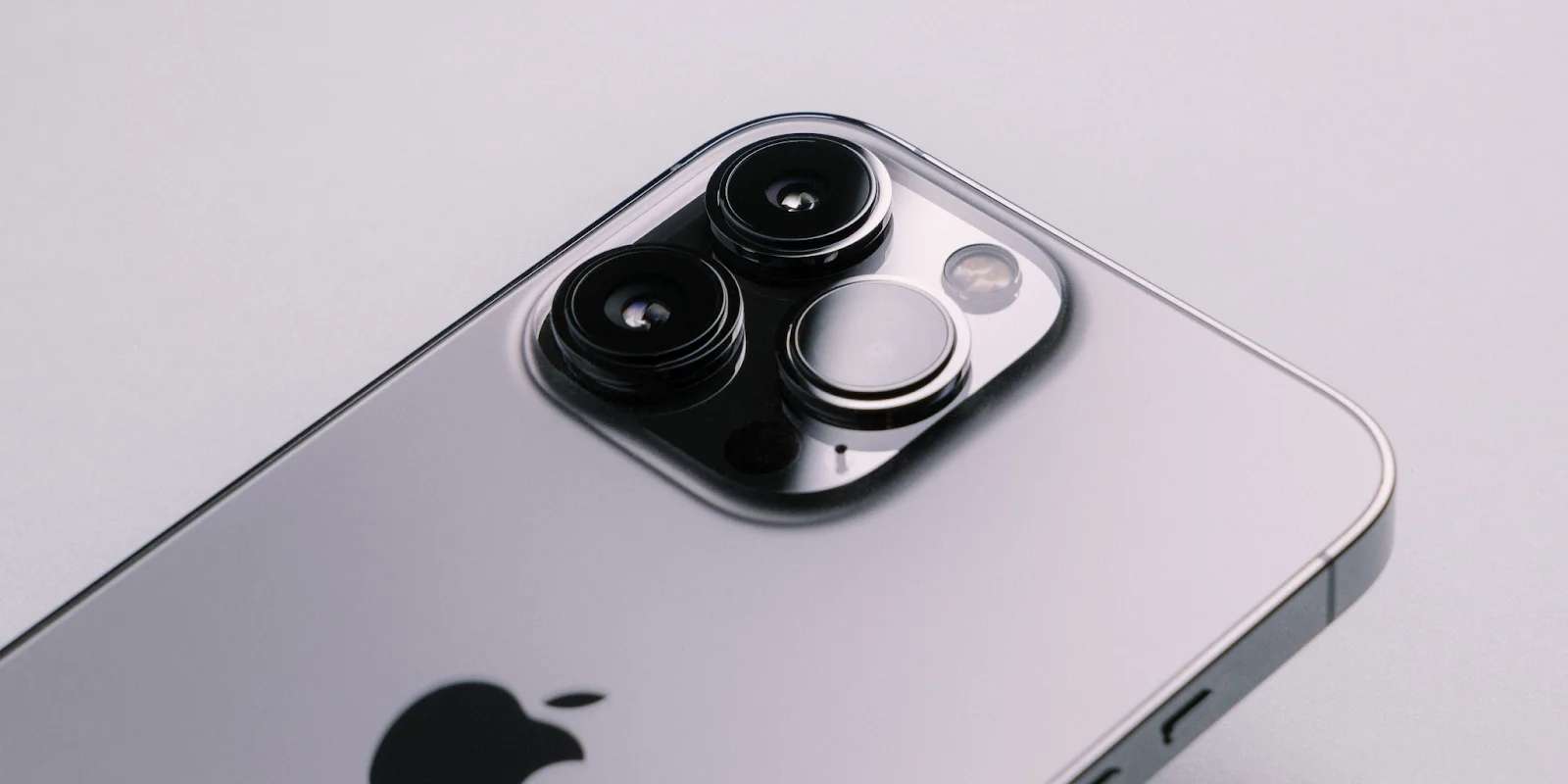
US AI startup PrismML has unveiled Bonsai 27B, an open-source multimodal language model that it says is the first model in the 27-billion-parameter class to run on a smartphone, marking its latest attempt to bring larger AI models to consumer devices.
The California-based startup said Bonsai 27B is built on Alibaba’s Qwen3.6 27B model and is available in two versions. The ternary variant occupies 5.9 GB and uses 1.71 effective bits per weight, while the 1-bit version requires 3.9 GB with 1.125 effective bits per weight, making it small enough to fit within the memory constraints of modern smartphones.
Both models are available under the Apache 2.0 licence.
At the same time, Apple has been evaluating PrismML’s model compression technology to run larger AI models directly on iPhones, according to a CNBC report.
A conventional 27B model requires about 54 GB of memory in FP16 precision, while a typical 4-bit quantised version still occupies around 18 GB, making local deployment difficult on phones and many laptops, the company said.
“Bonsai 27B is the new multimodal flagship of the Bonsai family,” PrismML said. “Based on Qwen3.6 27B, it brings a new capability tier to local AI: multi-step reasoning, structured tool use, long-context workflows, and coherent agentic loops.”
According to the company, both variants support multimodal inputs, a 2,62,000-token context window, speculative decoding and end-to-end low-bit execution across the model without reverting to higher-precision layers.
PrismML said the ternary version retains about 95% of the full-precision model's performance across a 15-benchmark suite, while the 1-bit version retains roughly 90%.
The startup said the release is intended for local AI workloads such as reasoning, coding, tool use and agentic workflows that can run without depending entirely on cloud infrastructure.
“Bonsai 27B changes that,” the company said, referring to the memory requirements of existing models. “Cloud APIs will remain the right choice for many products. What has been missing is a model small enough to deploy this way and capable enough to be trusted with the work.”
Founded in 2026 as a spinout from the California Institute of Technology by Babak Hassibi, Sahin Lale, Omead Pooladzandi and Reza Sadri, PrismML has raised $16.25 million in seed funding from Khosla Ventures, Cerberus Ventures and Caltech.
The company also counts Google as a backer and receives continuing support from Samsung. Earlier this year, it introduced the Bonsai 8B family, applying similar low-bit techniques to smaller language models.
- Adobe’s CX Enterprise Coworker Gets Embedded Within Leading AI Platforms
- Sarvam AI Appoints Ex-Google Cloud India MD Sashikumar Sreedharan as President and CBO
- EXL Acquires Aimpoint Digital, Adds 250 AI and Data Experts
- Coforge Joins SpaceX Network to Develop Industry-Specific Grok Applications
- India’s Office Workforce to Reach 48 Mn by 2030 as AI Reshapes Demand: Report
- NSE Launches Stock Discovery Platform, Adds AI Features