Article Complete

5 Ways In Which Artificial Intelligence Has Changed Smartphone Cameras

5 Ways In Which Artificial Intelligence Has Changed Smartphone Cameras

Key takeaways

  • Artificial intelligence has become integral to smartphone cameras, enhancing their capabilities significantly.
  • AI enables smartphones to filter photos by learning to eliminate undesired objects in various environments.
  • Low light photography is improved through AI algorithms that adjust camera settings like ISO and exposure.
Takeaways drafted with AI from the article text.

smartphone Smartphones have become an indispensable part of most people’s lives. Be it in terms of camera, build quality, design, performance or features, all of these are packed in today’s phones. Over the last two years, artificial intelligence has also become an integral part of smartphones. Smartphone manufacturers like Apple, Huawei and Oppo are leveraging AI into their offerings, especially in the camera segment. Here are the top five reasons where AI really is playing a role in dynamising smartphone cameras:

1. Photo Filtering

Phones with AI cameras have the ability to learn its environment. So when a photo is taken in a particular setting, it eliminates all the undesired objects in the scene. It happens gradually as the AI becomes familiar with these objects in the scene. This learning is done by the powerful GPU present in the phone.

2. Picture Enhancement

Another area where AI-camera comes into play is low light photography. Photos captured from a poorly lit or dark environment is retouched with AI algorithms that work on camera elements such as ISO and exposure. This is relatively new since optical features already work fine in phones. It is generally present in the flagship, top-end smartphones.

3. Computational Photography

Digital image processing techniques that use computer algorithms constitute computational photography and is prevalent in the latest digital devices. Computer Vision complements this process and essentially forms the tech behind most cameras today.

4. Depth Effect

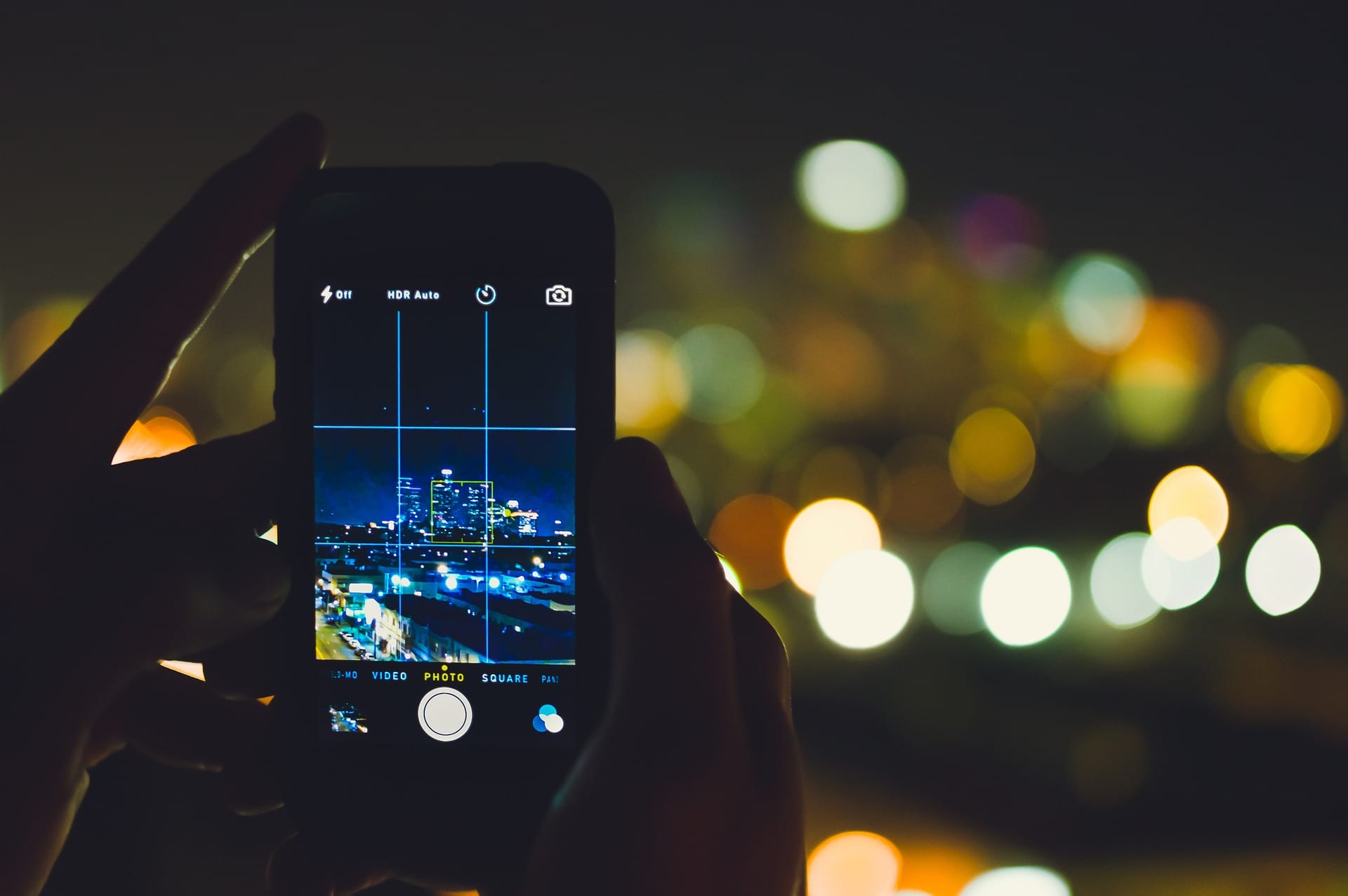
One of the most astounding features found in phones today is the concept of depth effect (also called bokeh) Basically, it means the background is made blurry to provide a feeling of ‘depth’ in the photo. In 2016, Apple’s introduction of ‘Portrait Mode’ in iPhones led to the flurry of other smartphone companies follow suit to add depth effect in their cameras, which use ML algorithms to provide this effect.

5. Smoother Camera Performance

With AI, cameras get a boost in capturing a string of photos in quick succession without compromising picture quality. In fact, ML algorithms in top-end phones pave way for a buttery smooth operation in clicking photos through optimisation. Since these smartphones house powerful SoC, overall performance is not affected.

Published

Corrections: AIM corrects errors of fact and notes the change on the story. Spotted one? Tell the editors. Read our editorial standards.

More in this story

AI (Artificial Intelligence) · 5 stories
  1. You are here: 5 Ways In Which Artificial Intelligence Has Changed Smartphone Cameras
  2. Tour to All The Useful Processing Steps on Image Data
  3. Complete Tutorial On Image Transformations With OpenCV
  4. A complete tutorial on masked language modelling using BERT
  5. India’s Smartphone Manufacturing Muscle is Now Stronger Than Ever 
About the author

Contributor

I research and cover latest happenings in data science. My fervent interests are in latest technology and humor/comedy (an odd combination!). When I'm not busy reading on these subjects, you'll find me watching movies or playing badminton.

All stories
Belamy · Daily

The day’s AI news, before your first meeting.