
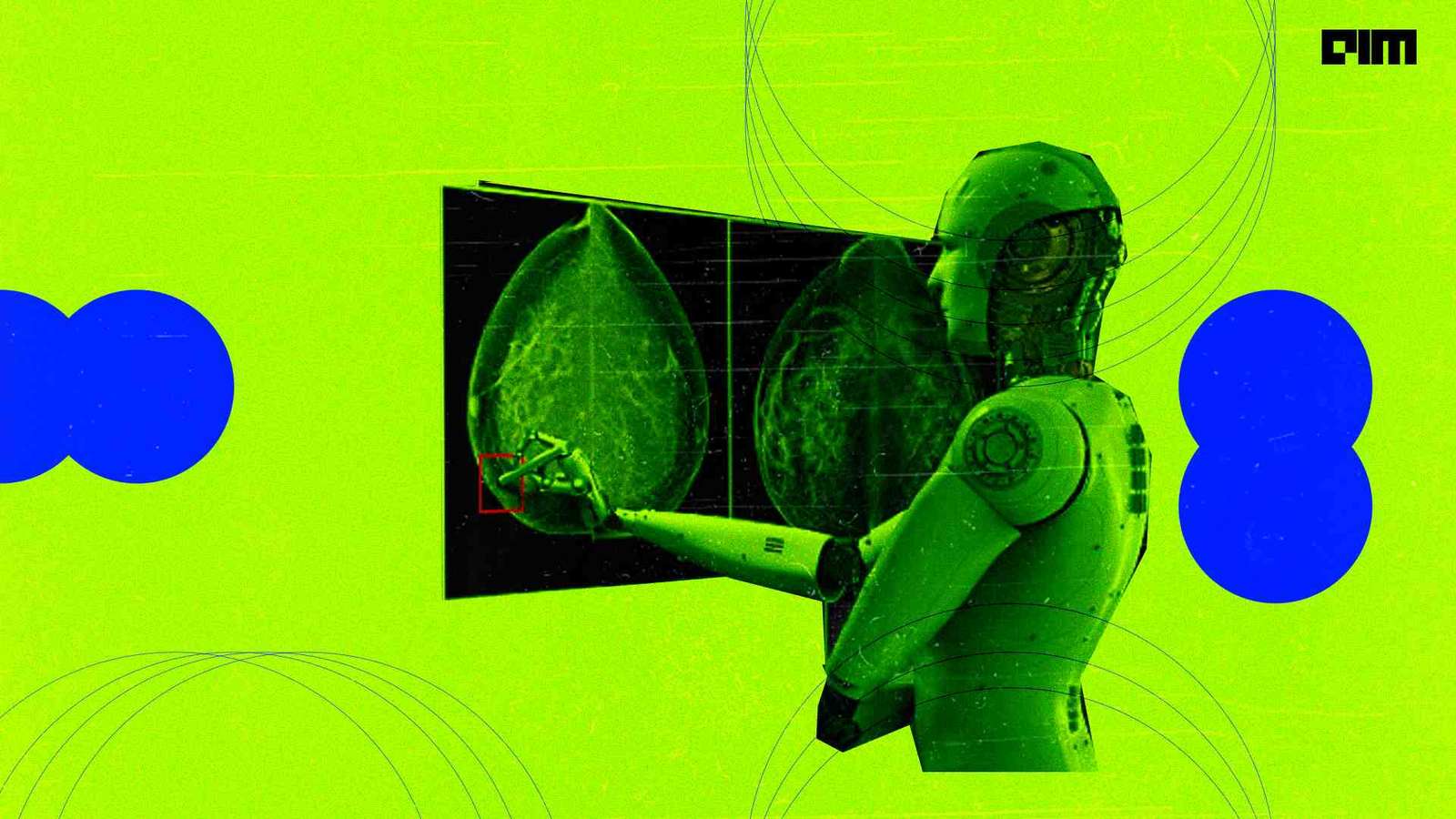
Scientists from Peking University have developed an AI-powered tool to detect lung cancer at an early stage. The team conducted single-cell RNA sequencing of various early stages of lung cancer and found fat metabolism becomes abnormal in different cell types.
The scientists deployed a machine learning algorithm and selected nine lipids considered most important for early cancer detection. Based on the inputs, the scientists built an AI-enabled model for early cancer detection.
In a lung cancer screening group of 1,036 participants undergoing routine CT scans at a Beijing hospital and a clinical group of 109 lung cancer patients, the detector achieved over 90% accuracy.
The new detection strategy is useful for early diagnosis, supportive diagnosis, or population-based screening for many cancers, said Yin Yuxing , co-author of the paper and a professor at Peking University's School of Basic Medical Sciences. Yin and his team had developed an AI model for detecting tumour metabolism in pancreatic and oesophagal cancers.
The scientists conducted the study on a group of 311 participants, including 171 patients with early-stage non-small cell lung cancer and 140 healthy controls, to analyse lipid-bound molecules in their plasma. Most of the participants diagnosed with lung cancer were non-smokers with stage 1 tumours, the study found.
- HCLTech Taps NVIDIA Simulation Tools to Automate Software-Defined Vehicle Testing
- Tata Communications Plans $450 Mn Investment to Build 10,000 Km AI Network
- Telangana Unveils AI-Powered Digital Twin of IT Minister at DevFest 2026
- Musk Says SpaceX Closed $40 Bn GPU Debt Deal, Warns Most Neoclouds Won’t Survive
- Coforge Revenue Rises 54% as AI Engineering and Deal Bookings Gain Momentum
- Tech Mahindra Partners With SpaceXSI to Bring AI Into Software Engineering