
Key takeaways
- Time-series data components are complex, and larger data sets can reduce errors from random sampling.
- Twitter employs advanced techniques to manage their significant data influx and maintain uninterrupted service.
- The company processes a substantial amount of time series data, handling numerous query requests every minute.
- Customised solutions like MetricsDB are essential for tackling Twitter's database challenges.
- A dedicated observability engineering team ensures service health and monitors issues within Twitter's distributed systems.
 The components of time-series are as complex and sophisticated as the data itself. With increasing time, the data obtained increases and it doesn’t always mean that more data means more information but, larger sample avoids the error that due to random sampling.
For social media platforms, the data handling chores get worse with their increasing popularity. Social media outlets like Twitter have imbibed many techniques over the years to offer uninterrupted services. In other words, handling tonnes of data, curating the data, forecasting the surge in data, gauging the time series with inbuilt metrics and then storing these metrics to make the whole thing more robust.
According to Twitter’s software engineering team, the networking giant stores 1.5 petabytes of logical time series data, and handles 25K query requests per minute.
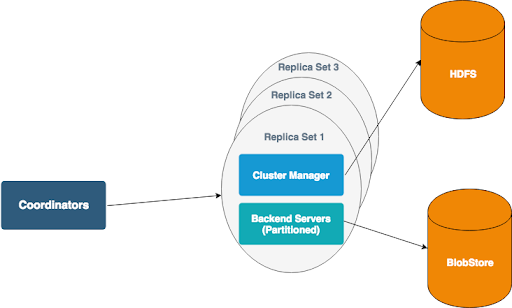
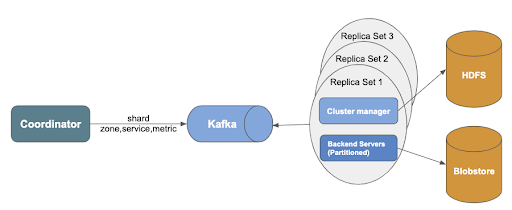
The scale at which these firms operate requires customised in-built techniques. Twitter has done the same to solve their database challenges with MetricsDB.
There is a dedicated team for observability engineering at twitter which supports other teams which monitor service health and issues with distributed system.
What Does MetricsDB Offer
Key Takeaways
- Using a custom storage backend instead of a traditional key-value store reduced the overall cost by a factor of 10.
- Ninety-three per cent of timestamps can be stored in 1 bit and almost 70% of metric values can be stored in 1 bit.
- Reduced latency by a factor of five.
- Improved responsiveness significantly while reducing the load.
Spotted an error? Tell our editors. Read our editorial standards and corrections.