

Onboarding a DevOps team and making them learn the workflow and code of an organisation is a tiring task for companies. “Developers and Ops teams often have to navigate tool and knowledge silos in order to follow the real-time impact of source code on system performance, which delays remediation and slows innovation,” said Oren Ben-Shaul, the GVP of product at New Relic.
This is where GitHub Copilot Extensions come into the picture which are now available in public beta after the initial launch in May. GitHub Copilot Extensions is changing the way DevOps operates, offering an unprecedented level of customisation and integration for development workflows.
It is necessary for enterprise software to have extensions. GitHub Copilot Extensions is the latest step in this evolution, allowing developers to seamlessly integrate their favourite tools into their workflow without leaving their coding environment.
Private Extensions Are All You Need
With the beta, developers can now embed external tools, databases, and testing frameworks directly into their Copilot environment. This integration is crucial for DevOps teams who rely on efficient workflows for building, testing, and deploying code. By centralising these tools within Copilot, developers no longer need to switch between multiple platforms, allowing for continuous development and smoother operations.
For instance, deploying code or interacting with databases becomes a streamlined task that can be handled directly from the Copilot interface.
One of the standout features is the ability for organisations to build private extensions tailored to their specific workflows, coding standards, and internal tools. Thomas Dohmke, CEO of GitHub and Mario Rodriguez, CPO of GitHub, highlighted how Atlassian, New Relic, and Octopus are using custom build extensions.
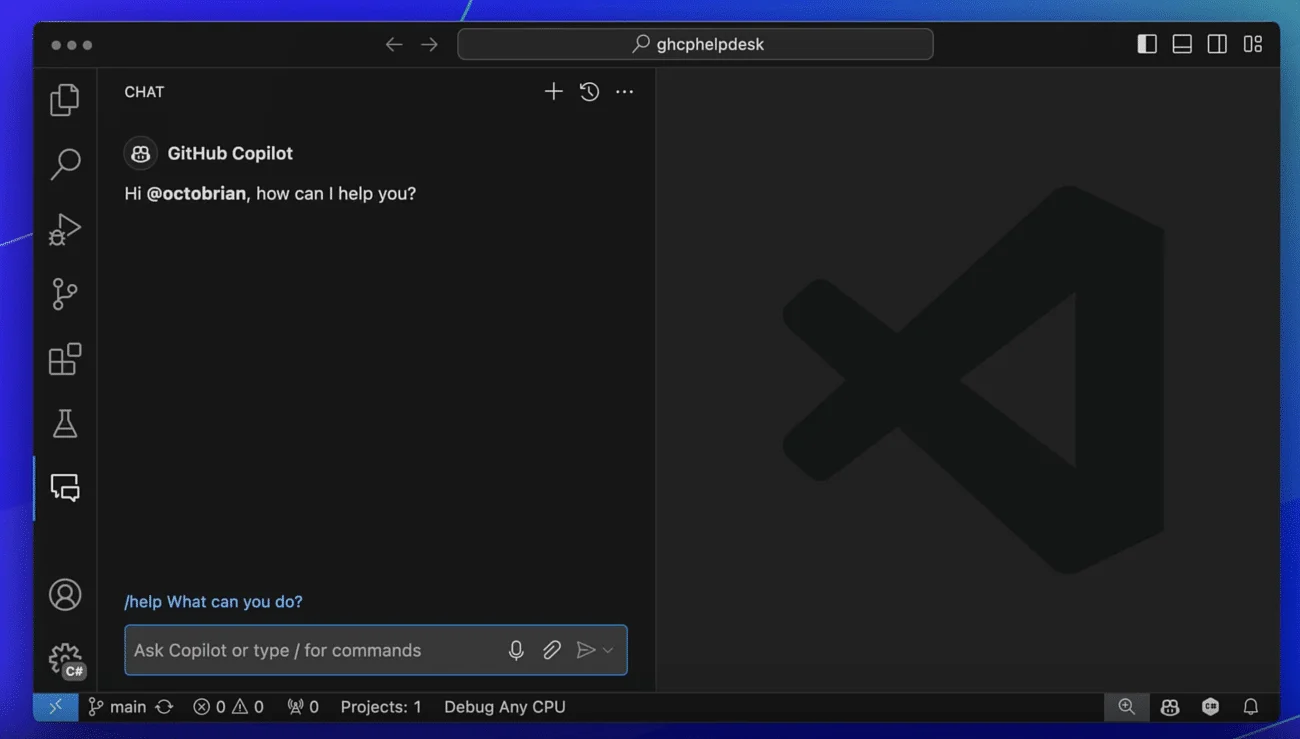
“At Atlassian, we view Copilot Extensions as a major boost in reducing context switching for developers as they write code,” said Josh Devenny, head of product, Agile, and DevOps at Atlassian.
Devenny said that with the Rovo-powered extension for GitHub Copilot, developers can look up all of their requirements, testing plans, issues, and docs from Confluence or Jira directly in Copilot Chat at their IDE, which saves time and frustration for the developers and the team.
DevOps teams, often tasked with deploying, managing, and monitoring systems, can benefit significantly from this customisation. By integrating their proprietary tools, these teams can ensure that Copilot understands and supports their unique operational needs, leading to faster deployments and more reliable outcomes.
Another example for custom extensions is Octopus. Matthew Casperson, principal solutions engineer at Octopus, highlighted how Copilot Extensions simplify onboarding in DevOps teams. “...there is no abstraction between written instructions and the execution of that instruction.” This seamless integration between operational tasks and Copilot reduces the need for manual oversight and tool-switching.
GitHub is Just Getting Started
This move of GitHub to show its love for developers is absolutely timely as several developers are choosing to work with Copilot alternatives like Cursor and Zed for their AI coding requirements. But funnily enough, none of these companies have actually revealed the number of users of their platforms. But the case is different for GitHub Copilot.
It is the world’s most widely adopted AI developer tool. As shared in Microsoft Q4 FY24 earnings, just over two years since its general availability, more than 77,000 organisations have adopted Copilot, up 180% year-over-year. Additionally, GitHub has 1.8 million paid GitHub Copilot subscribers.
“From Copilot Workspace to Copilot Chat, the future of the developers’ environment is AI-native on GitHub,” said Dohmke while showcasing that OpenAI’s o1 is running with Copilot.
This is aptly showcased in the latest release of GitHub Copilot Extensions Toolkit, which is now equipping developers within organisations for building quality extensions, similar to how Atlassian and New Relic did. Currently, the team is looking for feedback from companies on how they are using the toolkit.
Meanwhile, subtly taking a dig at other AI tools, GitHub said, “The future of AI-assisted development is not just about smarter suggestions—it’s about creating a flexible, extensible environment where AI can be tailored to every developer’s and organisation’s unique needs.”
GitHub Copilot, with its extended user base and close integration with VS Code as well, will make it an indispensable tool for developers.

Your reaction
Discussion
What's your take on this story?
No comments yet — be the first to share your view.