Key takeaways
- Human activities significantly impact marine ecosystems, particularly through over-exploitation of resources like fishing.
- Google's AI Perception team applies audio analysis techniques to track endangered marine life, including humpback whales.
- Collaborating with NOAA, Google developed algorithms to analyse 15 years of underwater recordings, enhancing knowledge of whale populations.
- The research reveals vital information about humpback whale behaviour, including their presence, seasonality, and calling patterns.
- HARP devices have been instrumental in collecting extensive audio data for this important conservation effort.
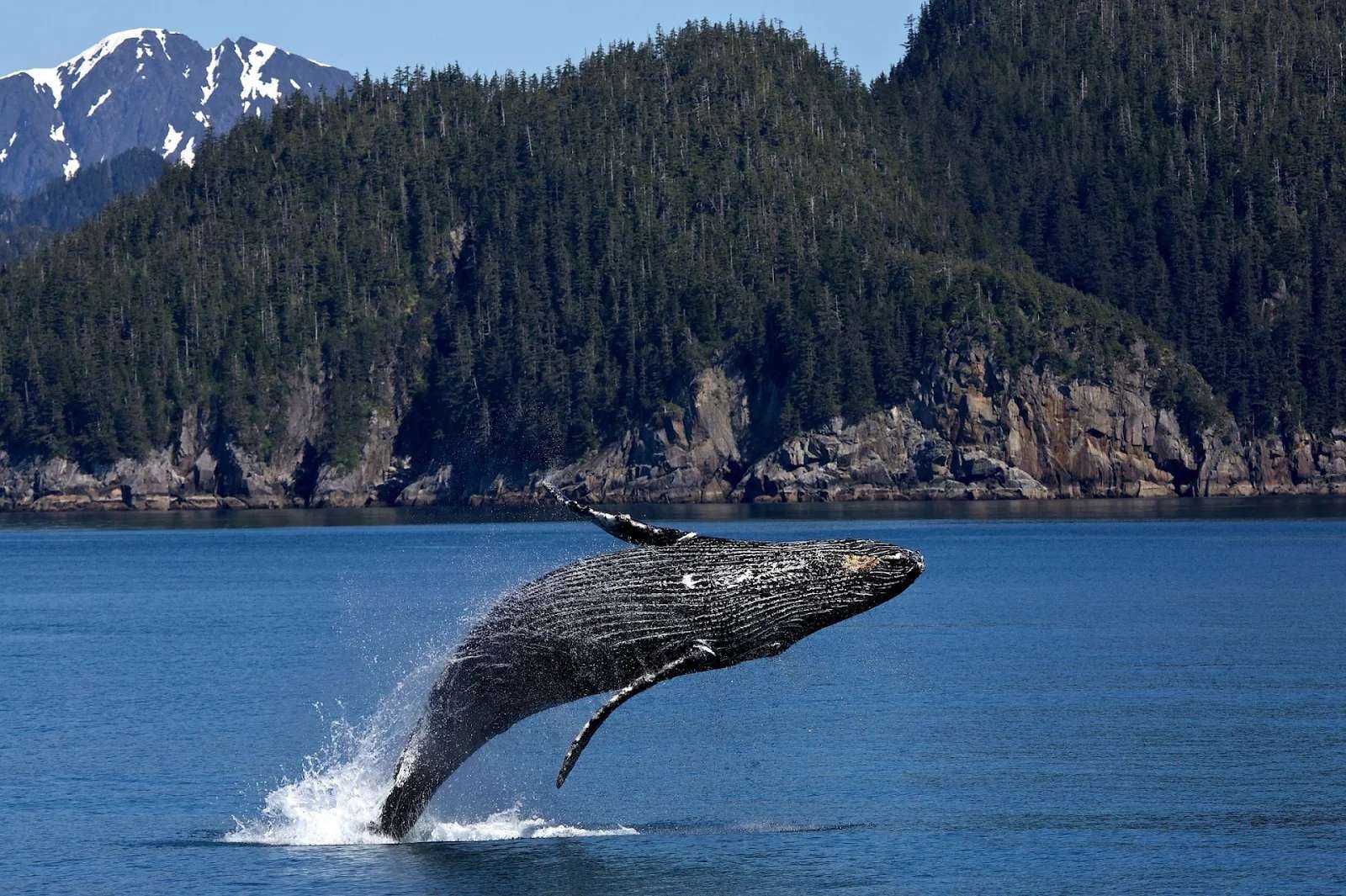
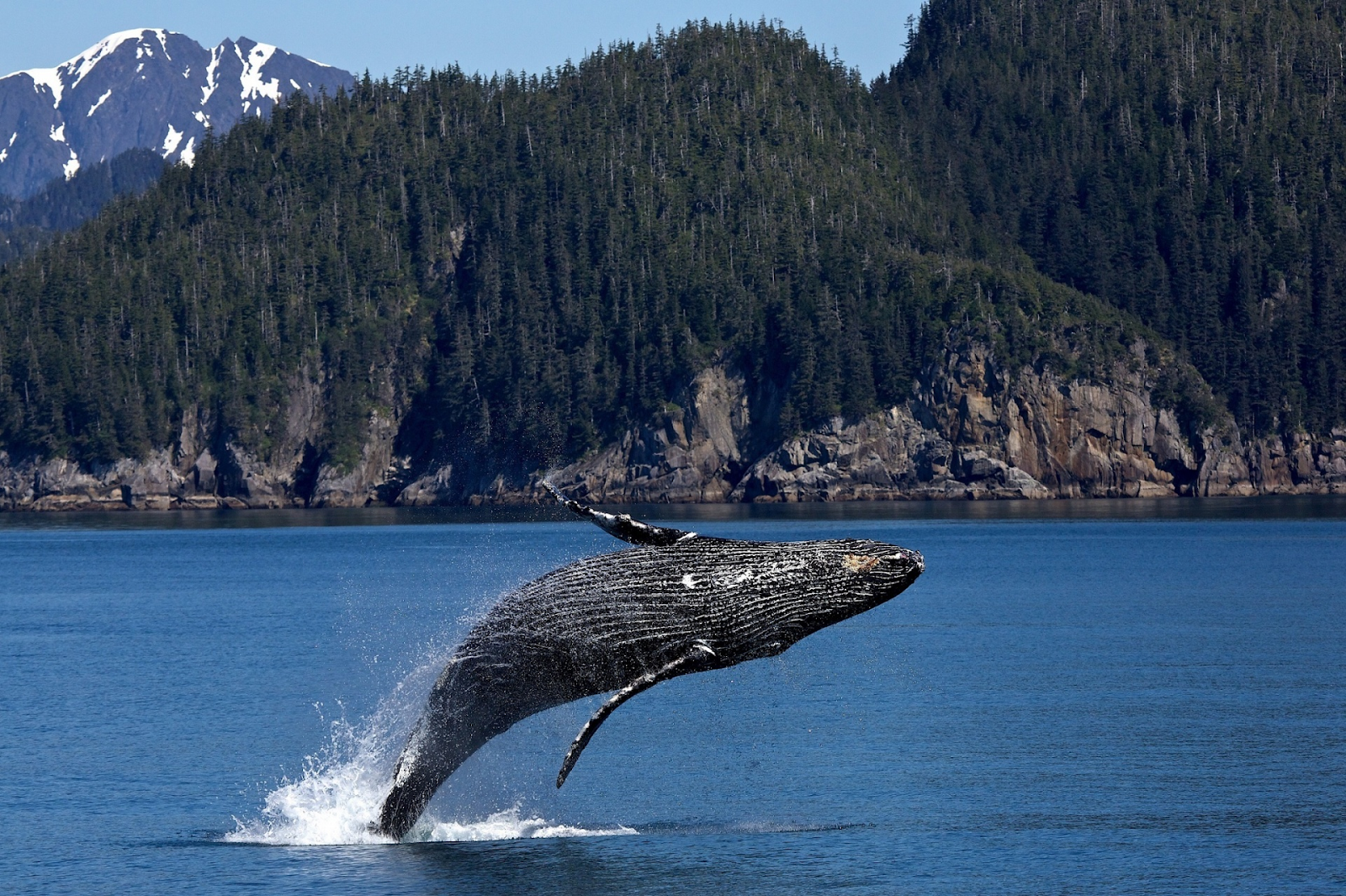 The Single largest direct human impact on marine ecosystems comes from over-exploitation of resources by activities like fishing. Now, researchers have devised a technique to track the population of endangered marine life, like Humpback Whales, by listening to their peculiar hour-long song.
Audio analysing techniques developed by Google’s Artificial Intelligence Perception team have been used before for YouTube videos for non-speech captions. And, now similar techniques are being used for conservational activities.
Google, in association with the Pacific Islands Fisheries Science Center of the US National Oceanic and Atmospheric Administration (NOAA), has developed algorithms to identify humpback whale calls in 15 years of underwater recordings from a number of locations in the Pacific. This research provides new and important information about humpback whale presence, seasonality, daily calling behaviour, and population structure.
HARP
In fact, Google has used HARP (high-frequency acoustic recording packages) devices to collect audio data (9.2 terabytes) over a period of 15 years. Manually marking humpback whale calls is extremely time-consuming. That is why, researchers at Google, deployed supervised machine learning models to optimize images for detecting the whales. An audio event detection is considered as an image classification problem. This data of different magnitudes of sound intensities are plotted on time-frequency axes.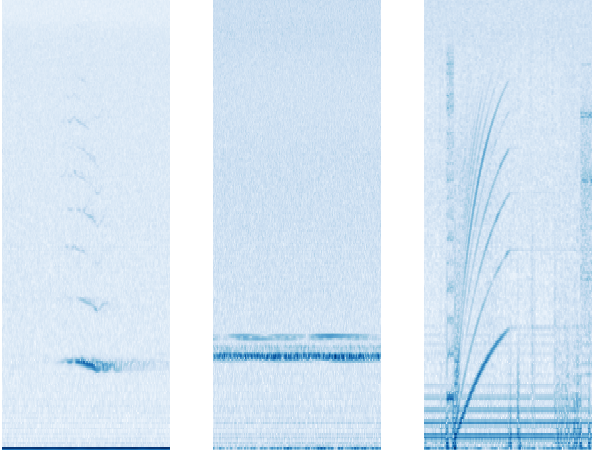
Unsupervised Learning For Similar Song Units
In this approach, the labels are used to learn from the ResNet output. The classification is done by identifying the Euclidean distances between two ResNet output vectors belonging to corresponding audio units of similar time frames. This helps in distinguishing different humpback unit types from each other. Calculating distances has been done using Unsupervised Learning Of Semantic Audio Representations. The basic idea here is to highlight the correlation between closeness in time and closeness in meaning. So a sample consisting of three vectors which are representations of sounds of humpback unit(anchor), a similar unit(positive) and noise(negative) respectively. The model tries to minimize the loss such by forcing the Euclidean distance between the anchor-negative exceeds that of anchor-positive distance. The nearest neighbours in the entire dataset are retrieved using Euclidean distance between embedding vectors.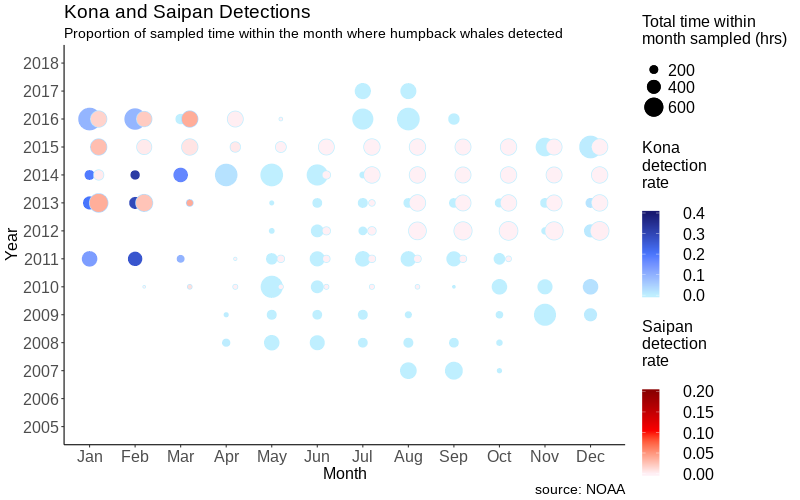
Spotted an error? Tell our editors. Read our editorial standards and corrections.