Key takeaways
- Huawei's HarmonyOS is designed to reduce dependency on US technology amid ongoing trade tensions.
- The operating system is microkernel-based and compatible with various device types, enhancing its versatility.
- Huawei has developed HarmonyOS as a flexible alternative to Android, addressing the challenges posed by the US ban.
- The platform supports a wide range of RAM sizes and has restrictions on root access for security.
With the US Government banning Chinese telecom giant Huawei, Chinese companies are doubling down on building their own competencies to reduce dependency on US. The company has taken a lead in developing their own chipsets for telecommunication and even launched 5G networks. The ensuing trade war has resulted in China showing the world they can become one of the undisputed global leaders in the field of emerging technologies.
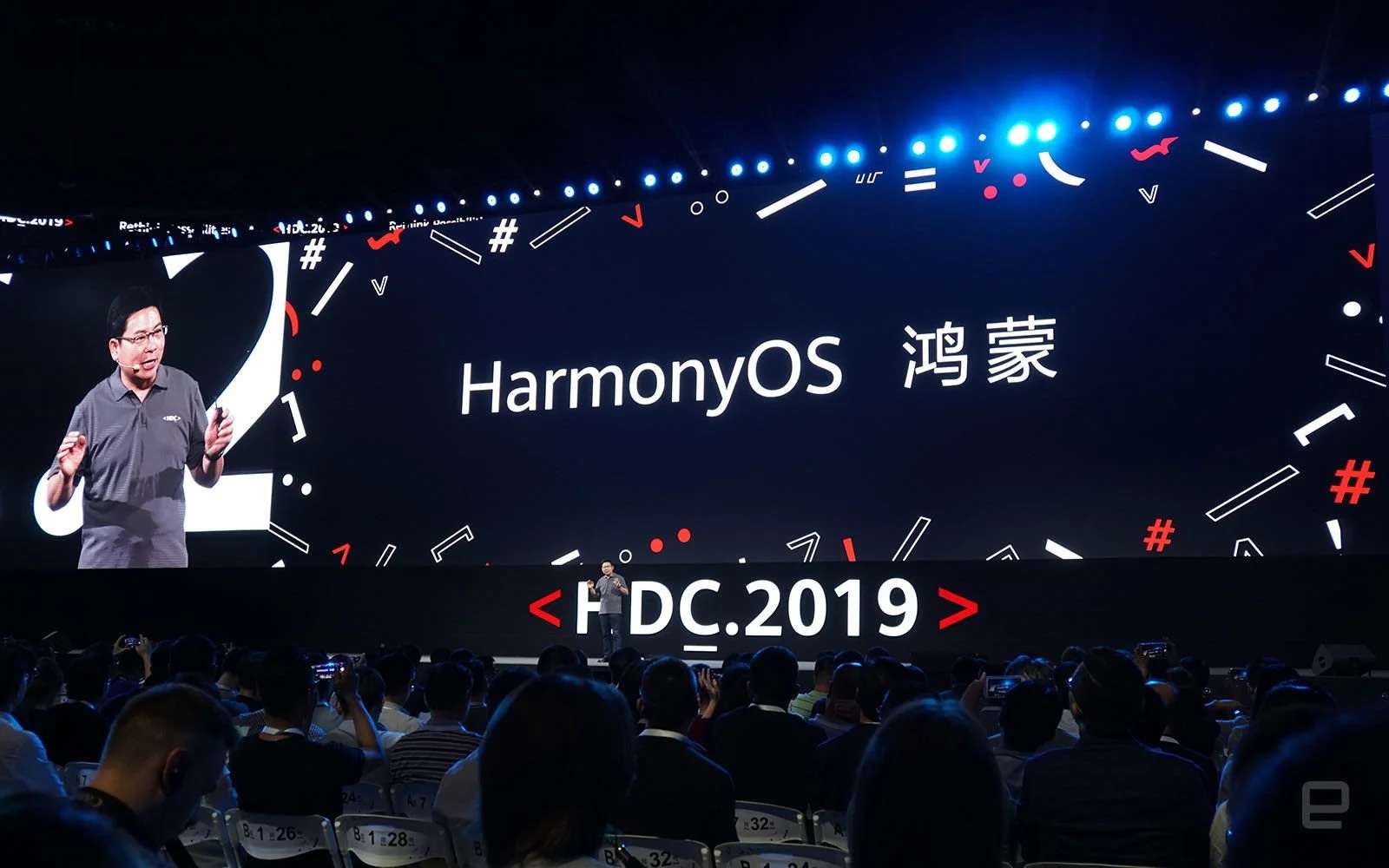
Recently, Huawei announced its own operating system HarmonyOS at the annual developer conference. HarmonyOS is the first-ever microkernel-based distributed operating system which can be used regardless of any systems.
The tech giant has been working on this operating system for several years. In the conference, Richard Yu, CEO of Huawei Technologies Consumer Business Group showed off the operating system through one of its Honor Vision TV. This new operating system is supported in various devices like smartwatches, smart TVs, smartphones, computers, laptops, cars, tablets, wireless earbuds and much more.
Huawei Smartphones were solely dependent on Android operating systems and after the ban, Chinese companies have adopted a Plan B, which is the development of a new and much more flexible operating system than the existing ones.
According to the reports, Yu said that the platform supports various sizes of RAM ranging from kilobytes to gigabytes and this operating system will have no support for any root access. The platform also supports a number of applications where applications from other operating systems like Linux, Android, etc will be compatible. HarmonyOS will use ARK compiler for app development and it will also support several other languages such as Java, Kotlin, JavaScript, C, and C++.
HarmonyOS 1.0 will be launched this year within the smart screen products. Then the next three pears are planned to optimise this operating system and make it adopt across a wider number of smart devices and other wearables, etc.