
5 min
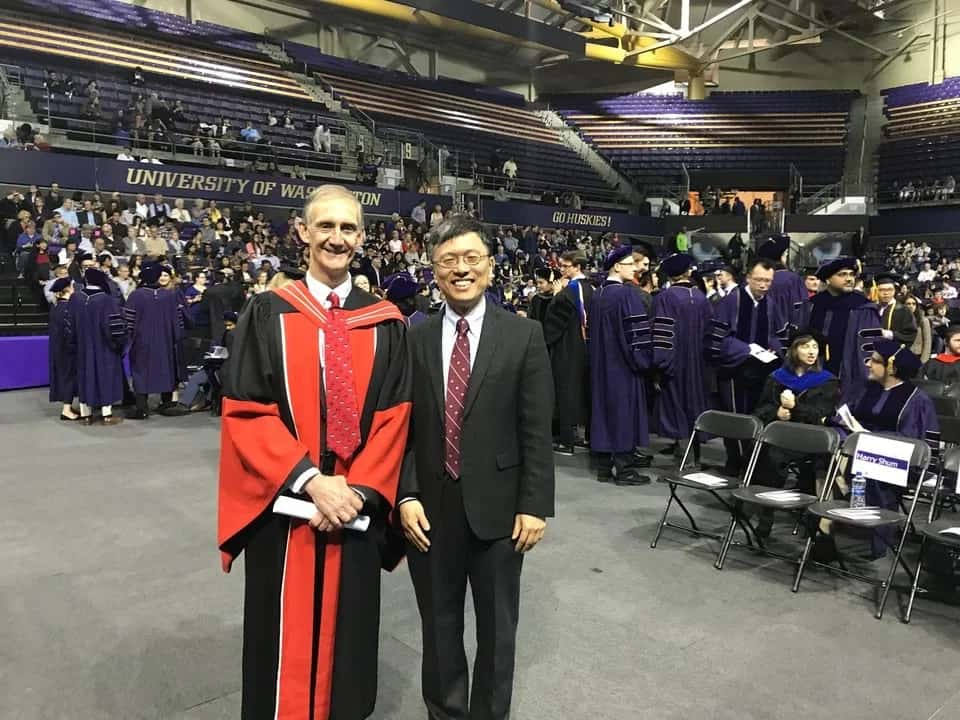
 Harry Shum, VP of Artificial Intelligence and Research at Microsoft, had some major life lessons for computer science graduates especially in three major areas of technologies
- Quantum computing
- Mixed reality
- Artificial intelligence
Shum’s Lessons For The Next Gen Computer Scientists
Diverse Teams Drive The Best Outcome: Shum’s message to the current generation is to take up projects and assignments which enable them to experience a different perspective and culture and learn from others in the process. Broaden Perspective For AI To Rule Out Bias: Shum had emphasised this in a post that sometimes challenges occurred from lack of data but there are also times when models and algorithms fall short. Shum revealed that Microsoft has built AI systems that “hear all voices and recognise all faces across the diverse world, and ensure that the tremendous power of AI is accompanied by transparency and accountability that puts human beings in the driver’s seat.” Quantum Computing Can Help Embrace Uncertainty: For those who are interested in following the path of the unknown, quantum computing can help in teaching beyond physics. Reportedly, Microsoft has been investing heavily in quantum computing for the last 15 years. Last year, Microsoft launched Quantum Development Kit that includes interoperability with Python. The kit was aimed at garnering a larger developer base and allowing developers to use quantum inspired algorithms on traditional hardware. The kit is aimed at developers who have existing Python libraries. This would allow them easy access to that with Q# without having to port anything on traditional computers. Quantum computing is the next big thing for tech majors and it can play a role in reshaping the chip industry. For Microsoft, breakthroughs in quantum computing can boost its Azure cloud computing services. They have been working towards a full stack quantum computing solution and is racing to develop a commercial quantum computer in the next five years. Betting Big On Mixed Reality: Shum talked about his favourite product — Microsoft’s HoloLens — which represents a multidisciplinary approach of the future of computer science, spanning software, hardware, silicon, optics, vision, graphics and more. HoloLens is essentially a self-contained, holographic computer, allowing one to engage with digital content.Outlook
At the graduation ceremony, Microsoft’s AI chief noted that the world is at a point where the convergence of big data, massive computing power and advanced machine learning will give developers and engineers more opportunity to speed up innovation and transform the world for the better. Over the years, Microsoft has made great strides in AI and quantum computing and managed to stay toe-to-toe with its competitors like Google which thrives on the open source environment. Microsoft CEO Satya Nadella has time and again emphasised that AI will be a major force of disruption and the company wants to be at the forefront of this tech revolution. While companies like Google and IBM are leading the race to dominate AI, Microsoft too has invested heavily in research and has published a significant number of papers.- OpenAI Says AGI is Here. But Not Everyone is Buying It
- Why Oracle is Bringing Post-Quantum Security to Java
- What Really Happens When You Turn Your Selfie Into a 1980s AI Pic?
- AI Agents Are Making Data Security A Bigger Enterprise Problem
- OpenAI is Getting Nervous About Reinforcement Learning
- Meta’s Bold Open-Weight Bet is Meant to Muse Developers