Key takeaways
- Google launches Axion, its first Arm-based CPU, enhancing AI capabilities in data centers.
- Axion CPU outperforms general-purpose Arm chips by 30% and Intel processors by 50%.
- Designed for seamless transition, Axion supports existing workloads on Arm architecture.
- Google introduces TPU v5p, an upgraded AI chip for training large generative AI models.
- Deployment planned across major cloud services like Google Compute Engine and Kubernetes Engine.
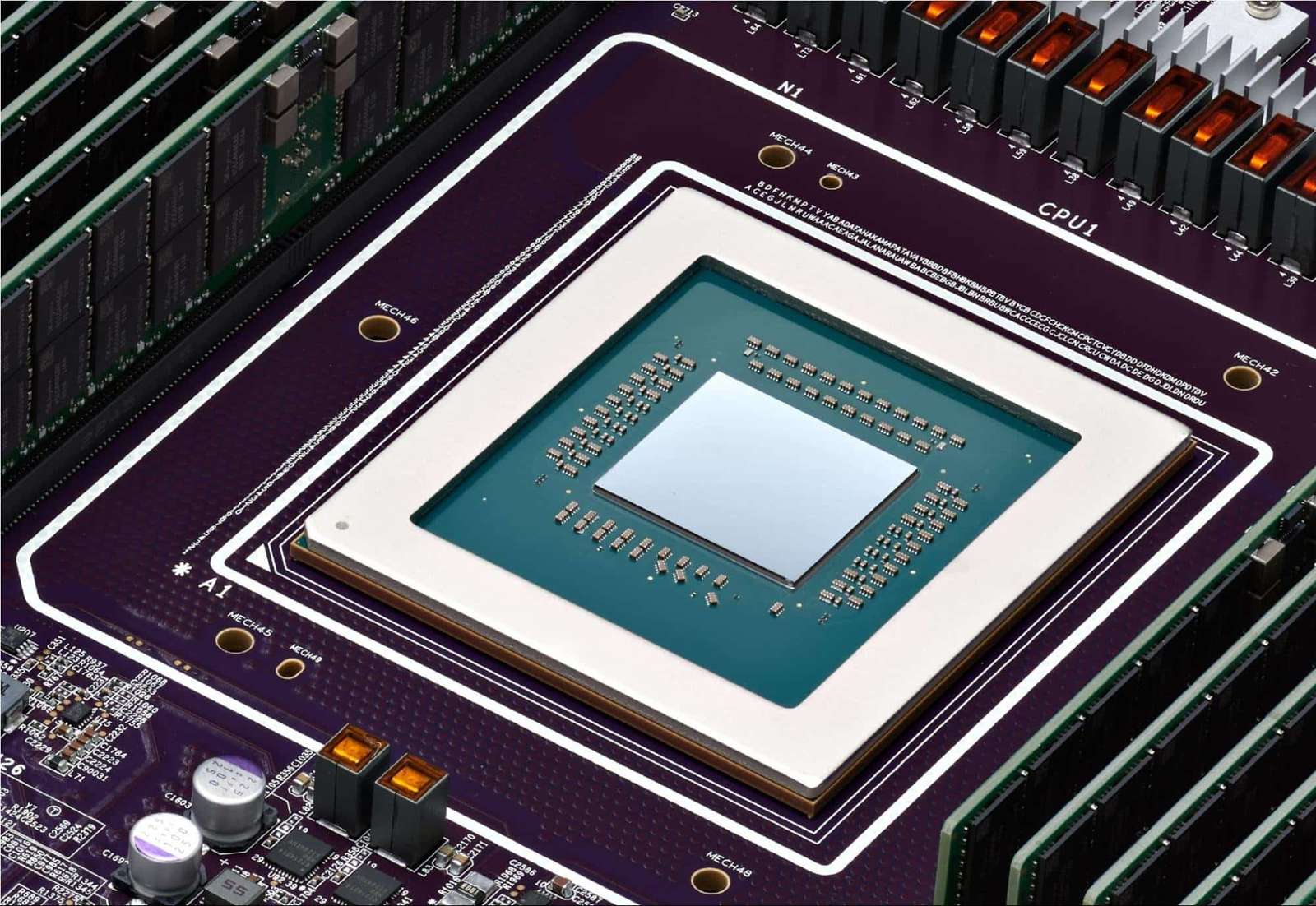
Google is venturing deeper into the realm of custom silicon, announcing its development of a new Arm-based CPU tailored for AI in data centres. This move by Google aims to bolster its AI capabilities and reduce reliance on external providers like Intel and NVIDIA.
Named Axion, this new CPU is already in use for various Google services, including YouTube ads and the Google Earth Engine. It is set to support Google's AI workloads before becoming available to business customers of Google Cloud later this year.
Amit Vahdat, VP of Machine Learning, systems, and Cloud AI at Google Cloud emphasised in the release blog that Axion is designed to facilitate a seamless transition for customers with existing workloads on Arm architecture.
“Google’s announcement of the new Axion CPU marks a significant milestone in delivering custom silicon that is optimised for Google’s infrastructure, and built on our high-performance Arm Neoverse V2 platform. Decades of ecosystem investment, combined with Google’s ongoing innovation and open-source software contributions ensure the best experience for the workloads that matter most to customers running on Arm everywhere,” said Rene Haas, CEO of Arm.
The Axion CPU is projected to outperform general-purpose Arm chips by 30 percent and surpass Intel's processors by 50 percent, according to reports. Google envisions its deployment across various cloud services like Google Compute Engine, Google Kubernetes Engine, and others.
In addition to the Axion CPU, Google is also introducing an upgraded version of its Tensor Processing Units (TPU), named TPU v5p. These AI chips are purpose-built for training large and demanding generative AI models. A single TPU v5p pod integrates 8,960 chips, more than doubling the capacity of its predecessor, the TPU v4 pod.
Google's venture into custom silicon follows similar moves by industry peers like Microsoft and Amazon. Microsoft recently unveiled its own custom silicon chips tailored for cloud infrastructure, while Amazon has long offered Arm-based servers through its custom CPU, Graviton3.
However, Google's approach differs in that it won't be selling these chips directly to customers. Instead, they will be integrated into Google's cloud services, available for businesses to rent and utilise.
Spotted an error? Tell our editors. Read our editorial standards and corrections.