
5 min
[caption id="attachment_13992" align="alignnone" width="1280"]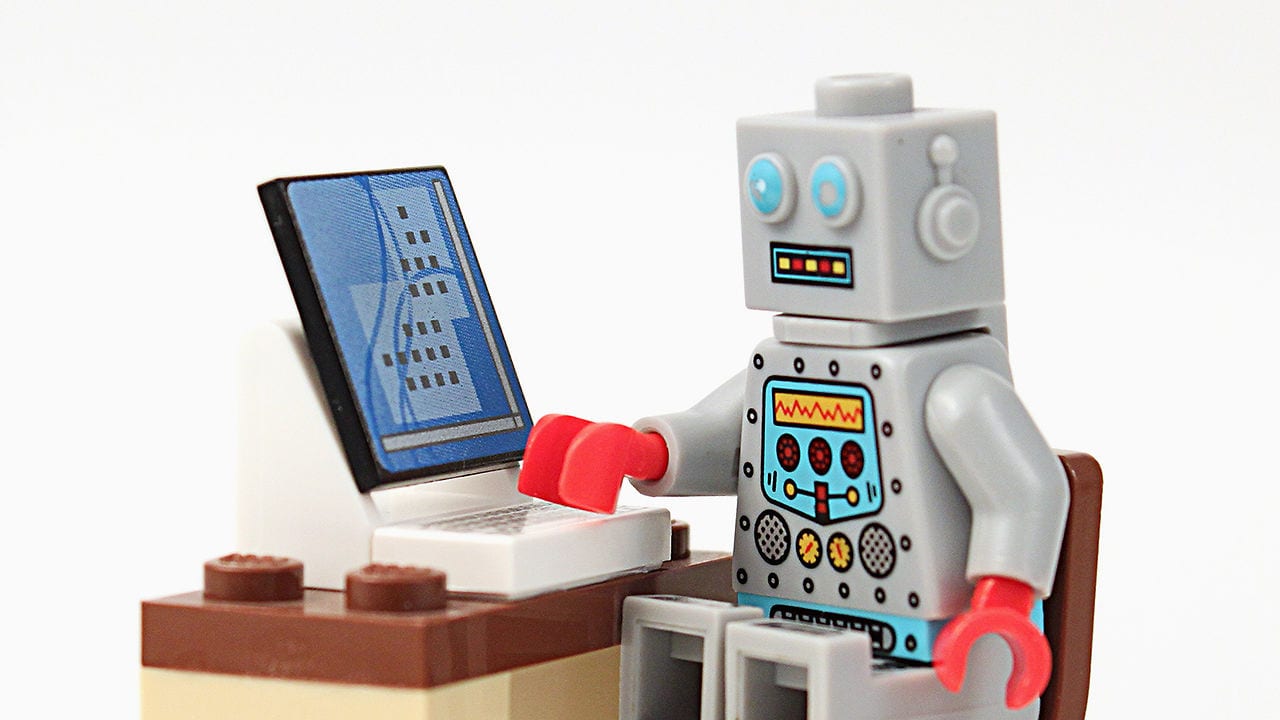 Chatbots can have various types depending on the value they impart[/caption]
A Chatbot has been in existence since 60's, however, the power of computing and the advancement in technology has limited the application of Chatbots to the masses. By Definition, Chatbot is conversational engine driven by Artificial Intelligence (AI) and Machine Learning. Users can interact with Chatbots through voice and text messaging interfaces.
Chatbots can be categorized into two; Open and Closed Domain. Open domain Chatbots means they are built to respond and learn to any possible interactions that may come their way. Closed domain Chatbot intends to respond to queries built for a specific industry or purpose.
Although there are a few giants in the market who have implemented the open domain Chatbots, the success measurement is yet to be determined. HR Bots such as H# (pronounced Aitch Sharp), is designed and trained for Human Resource Industry, is an example of closed domain Chatbot.
Chatbots are certainly taking over the HR functions by engaging employees using Natural Language Processing (NLP). To understand how the brain of Chatbot processes user messages, a typical Chatbot flow is in 5 steps as:
Chatbots can have various types depending on the value they impart[/caption]
A Chatbot has been in existence since 60's, however, the power of computing and the advancement in technology has limited the application of Chatbots to the masses. By Definition, Chatbot is conversational engine driven by Artificial Intelligence (AI) and Machine Learning. Users can interact with Chatbots through voice and text messaging interfaces.
Chatbots can be categorized into two; Open and Closed Domain. Open domain Chatbots means they are built to respond and learn to any possible interactions that may come their way. Closed domain Chatbot intends to respond to queries built for a specific industry or purpose.
Although there are a few giants in the market who have implemented the open domain Chatbots, the success measurement is yet to be determined. HR Bots such as H# (pronounced Aitch Sharp), is designed and trained for Human Resource Industry, is an example of closed domain Chatbot.
Chatbots are certainly taking over the HR functions by engaging employees using Natural Language Processing (NLP). To understand how the brain of Chatbot processes user messages, a typical Chatbot flow is in 5 steps as:
-
Data Cleaning / Filtering:
-
Intent Identification
-
Navigating through data retrieval points
-
Maintaining conversation
-
Responding perhaps
A). User Feedback based learning:
A simple mechanism to know, if the bot is doing it right is having a like or dislike button and if a bot understands the user's messages. Although this quick feedback mechanism may not have many likes, the dislikes will definitely help the administrator to take corrective actions.B). Trained or Guided learning:
This process involves training the bot with various utterances in which human may try to ask the same question. The training helps the bot better match and arrive at the intent to handle the conversation further.C). Self-Learning:
Even training may at times not be enough to know what user needs. Hence, suggestion (based on closest match) when a bot is confused is the best way to handle the situation. Further, a user may choose from that given suggestion. This crowd sourced data can be used to auto-train the bot. Having explained how the Chatbot works and the learning mechanisms, the next integral part of the system would be analytics. Common analytics like which transaction was performed, User preferred channel of communication (Anroid, iOS, Facebbook), etc are already built. However, when it comes to analytics there are two categories of analytics that would be of use. These include;- Conversation engagement: Helps to find out how long a user has been engaged to complete the conversation. This insight helps to understand messaging style a user interacts to complete a transaction or query with the bot. Further, assisting in reducing the time to complete transactions.
- User Expectations: When users interact with Bots, they are open to seeking any information for which the bot may not be plugged in. In such cases, a bot may not be able to answer at the immediate hour. However, this metric helps to understand queries or transactions expected from Bot by the mass, helping to build a system over user needs.

Your reaction
Discussion
What's your take on this story?
No comments yet — be the first to share your view.