
5 min
 Guess what’s in for a cost effective and scalable technology for disease detection in plants! It’s artificial intelligence in the news again.
It wasn’t long back when a team of researchers taught an AI to recognize crop diseases and pest damages. In a submission by Amanda Ramcharan and her team, they used transfer learning for image-based cassava disease detection. The new transfer learning method that used dataset of cassava disease images taken in the field in Tanzania, can be easily deployed on mobile devices without accessing the cloud. Transfer learning was applied to train a deep convolutional neural network to identify three diseases and two types of pest damage. The best trained model delivered an overall accuracy of 93%.
Amidst its soaring popularity, artificial intelligence is gaining rapid momentum in the area of farming. As it is growing popular with farmers, AI as a tool an be seen easily being implemented for killing weeds, harvesting better crops and producing a better yield. There have been many developments in India and abroad that speak of growing relevance of AI in farming.
Technologies making a headway in agriculture:
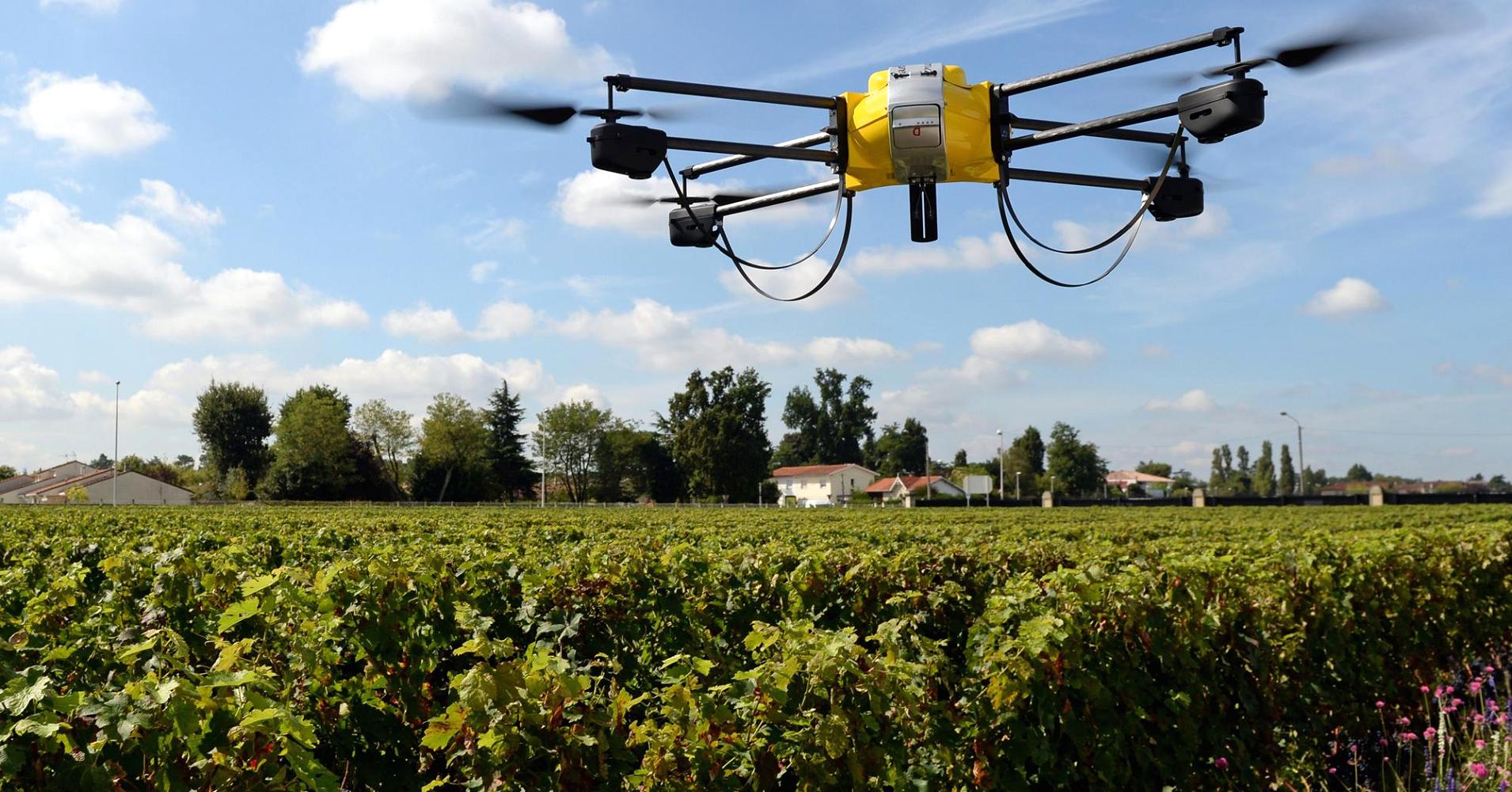
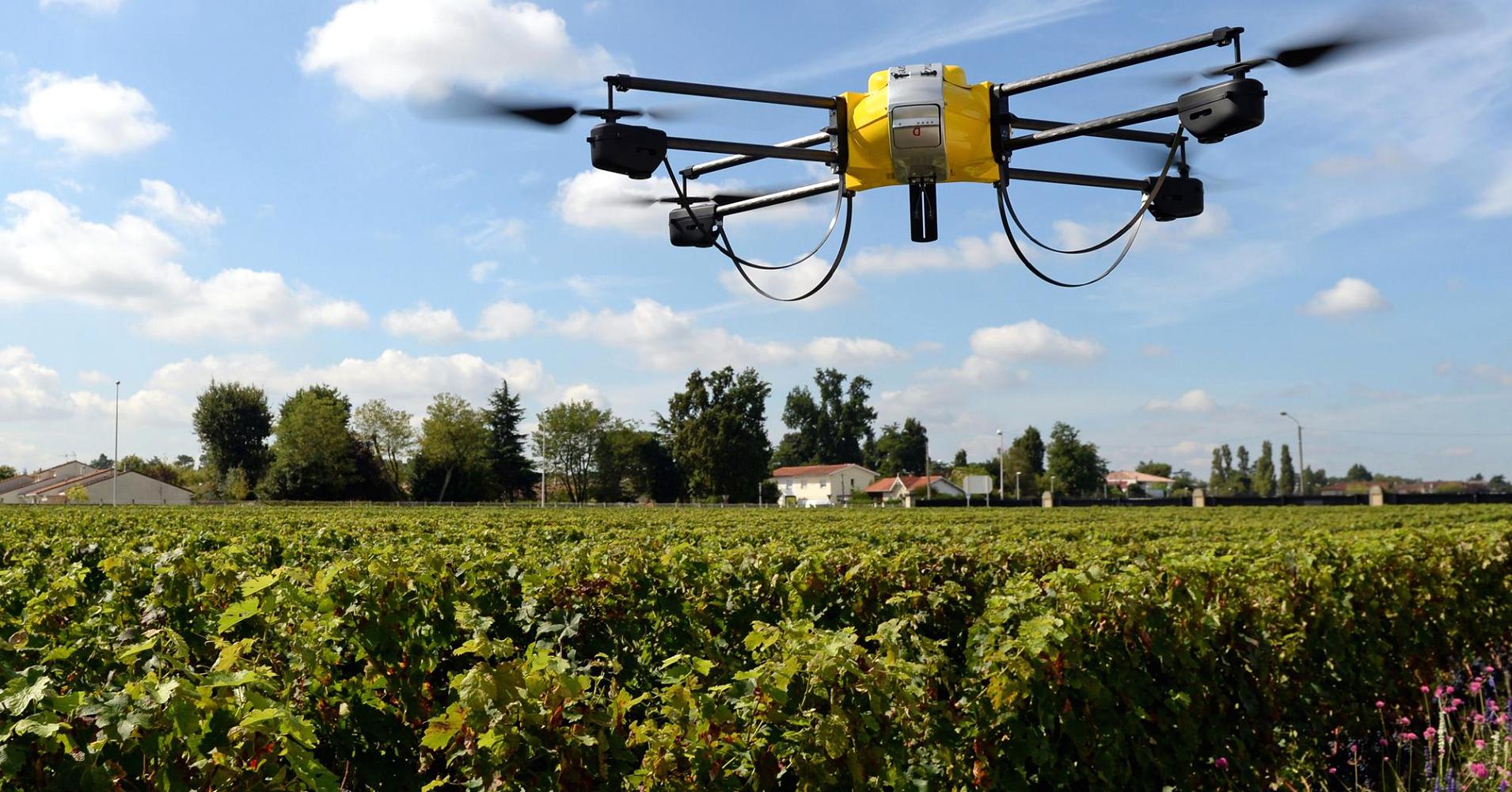
With technologies like drones, intelligent monitoring systems and robots making into field trials, there is no denying that artificial intelligence is set to bring the next phase of ultra precision agriculture. Let’s glance into few of these technologies that are making headways into agriculture. Image/ Facial recognition- This largely adopted technology has been popular with a lot of smartphones and has climbed onto the area of agriculture. These devices can eliminate the need of fitting devices and allowing easy monitoring of plants with minimal interaction. Drones- This is the next wave of revolution hitting a farmer’s field. It can facilitate in-depth field analysis, easy and efficient crop spraying and crop monitoring. Automated irrigation system- As the name suggests, these are designed to utilise real-time machine learning to constantly maintain desired soil conditions to increase average yields. It may result into lesser costs and labour involved. Crop health monitoring- Companies are developing automated detection and analysis technologies such as hyperspectral imaging and 3D laser scanning that will increase the precision and volume of data collected, hence a better analysis and better results. Others that can be soon introduced into farming are driverless tractors and chatbots, where conversational virtual assistants powered by AI can interact with farmer in a personalized way. As we know chatbots have already made its presence felt in areas like retail, travel, media, insurance etc.AI and Robots from picking fruits to harvesting plants: Few use Cases
- The popularity for these technologies go well into all sorts of application in the farming sector. Abundant Robotics, a US based startup has developed an apple-picking robot. According to the company it can identify, pluck, and place apples into a crate with roughly the same accuracy and care as a human.
- There also has been instances of AI and machine learning being used to eliminate weeds and hence taking care of plants with utmost precision. Deere & Company acquired Blue River Technology, a pioneer in applying machine learning to agriculture. The latter had earlier applied machine learning to agricultural spraying equipment and intends to extend machine learning usage to enable every farmer in the field to optimize every plants.
- NatureSweet, a texas based company is using AI to monitor tomatoes in their growing season. With cameras installed and algorithms set in place, the company tracks all sorts of emerging problems in plants. The company claims that the AI system has helped increasing the harvest between two and four percent, and the founders hope that number will eventually climb to 20 percent.
- There were also reports of Harper Adams University and Precision Decisions recently testing autonomous drones and vehicle to plant, maintain and harvest a crop, and taking away the credit of being the first in the world to do so.
- A Georgia based startup called AgVoice is developing natural language processing toolkit for farmers. The system interprets sudden death syndrome for the soy fungal disease and prompts for the location and severity of the observation.

Your reaction
Discussion
What's your take on this story?
No comments yet — be the first to share your view.