
5 min
 Artificial intelligence has taken leaps and bounds in terms of the extent of task that it can accomplish. And a few of them such winning games like Go, Poker and Chess, composing music or penning down horror stories only prove its capability in terms of posing an intelligence at par with humans.
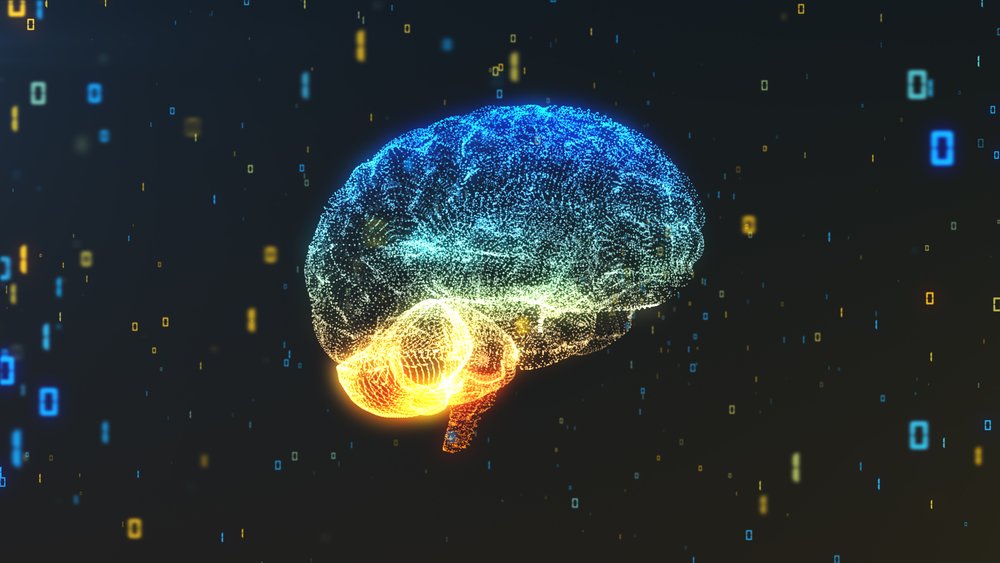
But despite all the high profile developments around AI, researchers believe that we haven’t reached the mark of super intelligent AI as yet and the current AI programs are narrow in abilities and can be tricked easily. Although they have been showcasing some jaw dropping potentials, they lack in “human” capabilities such as common sense, intuition, imagination and human intelligence in general. And what could be a better model than replicating human brain to create “intelligence”.
AI experts from across the globe agree to the fact that there can be no better alternative than looking at the biological human brain as a model, which in itself is a complex structure of modular subsystems defining important functions. Demis Hassabis, founder of Google’s AI powerhouse DeepMind, even commented that to build better computer brains, we need to look at our own. Biomimicking is becoming one of the approaches that is gaining momentum as a way to develop artificial intelligence, and this is where neuroscience comes into play. It is a common belief that drawing inspiration from neuroscience and psychology is resulting into development of technologies like deep learning and reinforcement learning.

Your reaction
Discussion
What's your take on this story?
No comments yet — be the first to share your view.