
5 min
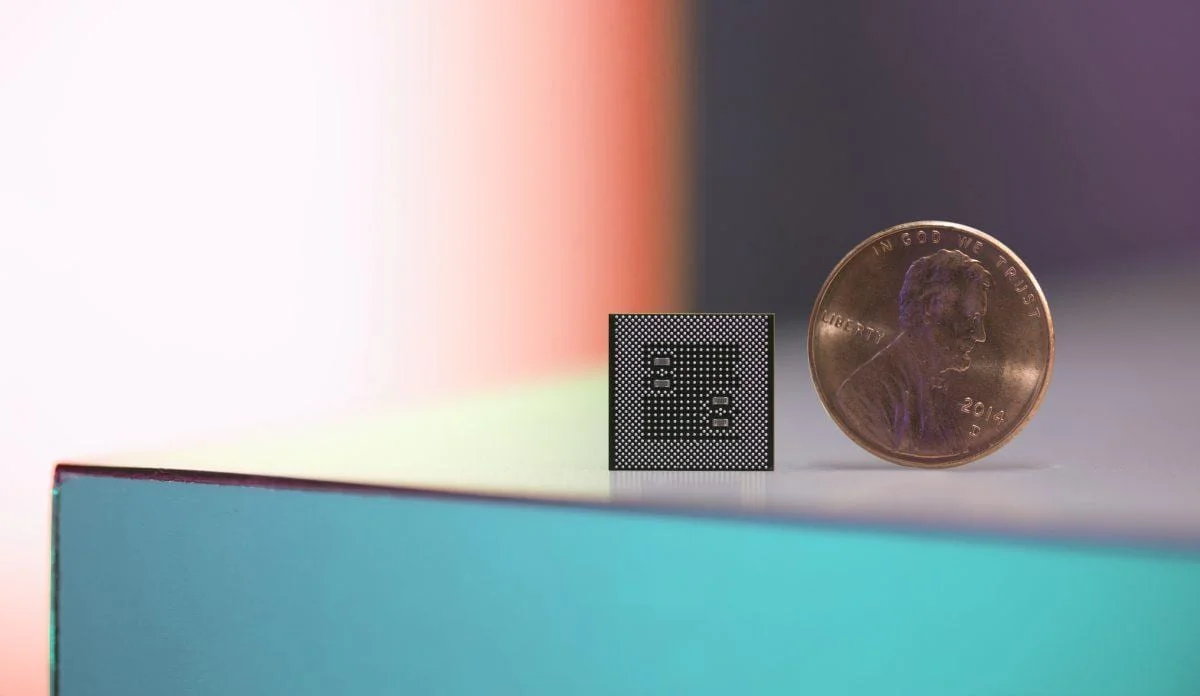
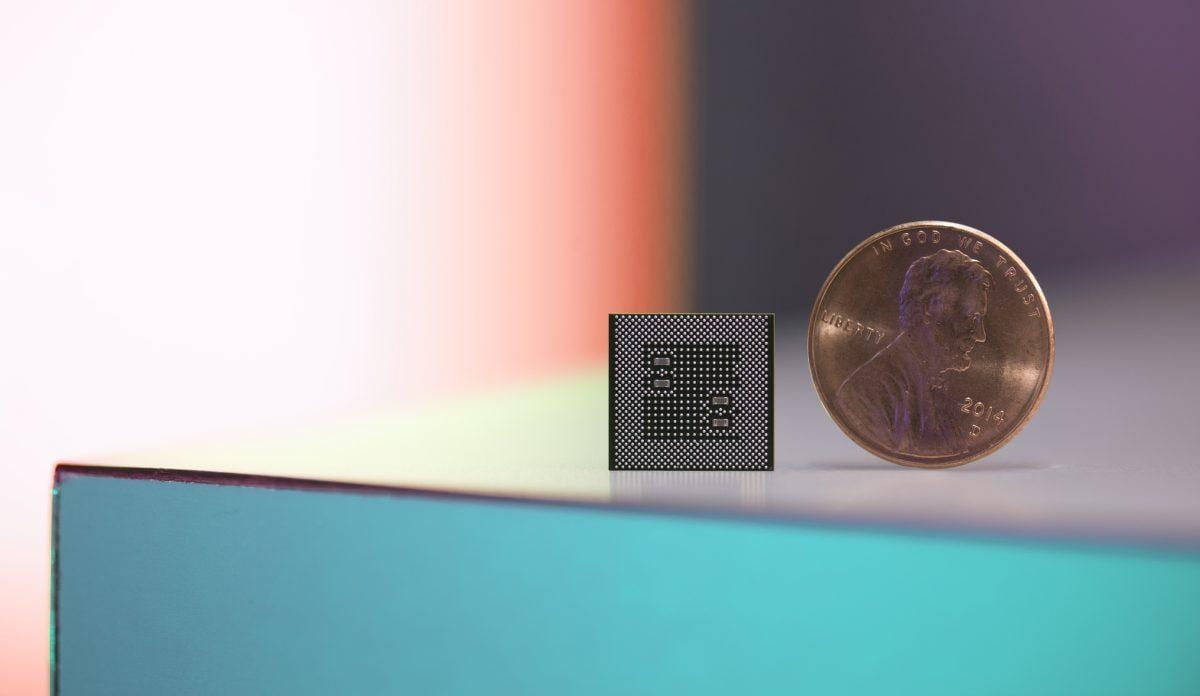 In the battle to bring AI home sooner, tech giants Microsoft, Google, Apple and Facebook have joined the likes of Nvidia, Qualcomm, Intel and Broadcom among others to build their own AI chips that are powering their hardware. Over the last few years, there has been a frenetic activity in this space with tech titans becoming chipmakers to support the AI capabilities of their products and improve their AI systems.
Legacy giants need chips in the data centres to train powerful neural networks and they also need these chips in the products to help devices run AI capabilities smoothly. Hence, the shift from mobile to AI is seeing tech titans producing AI-focused chips. Today, Google, Apple and Microsoft have some of the most visible projects in the AI space with announcements made over the last two years.
Tech companies turning chipmakers
 Leading the race is the search software giant Google whose Tensor Processing Unit (TPU) is designed for training AI system. This ground-breaking advancement in AI helps Google provide faster response time for search and voice search and played a pivotal role in AlphaGo beating a reigning champion at the ancient Chinese board game. At a recent I/O conference, Google CEO Sundar Pichai revealed a new kind of second generation AI chip designed in-house that could train and execute deep neural networks that power automated translation, image and speech recognition and even robotics. In fact, Google’s shift to produce Cloud TPUs is in direct competition with NVIDIA, the gaming giant that adapted its GPUs for AI data processing. Reportedly, Google also opened Cloud TPUs for business, and has also released Tensor Flow Research Cloud for free for research work.
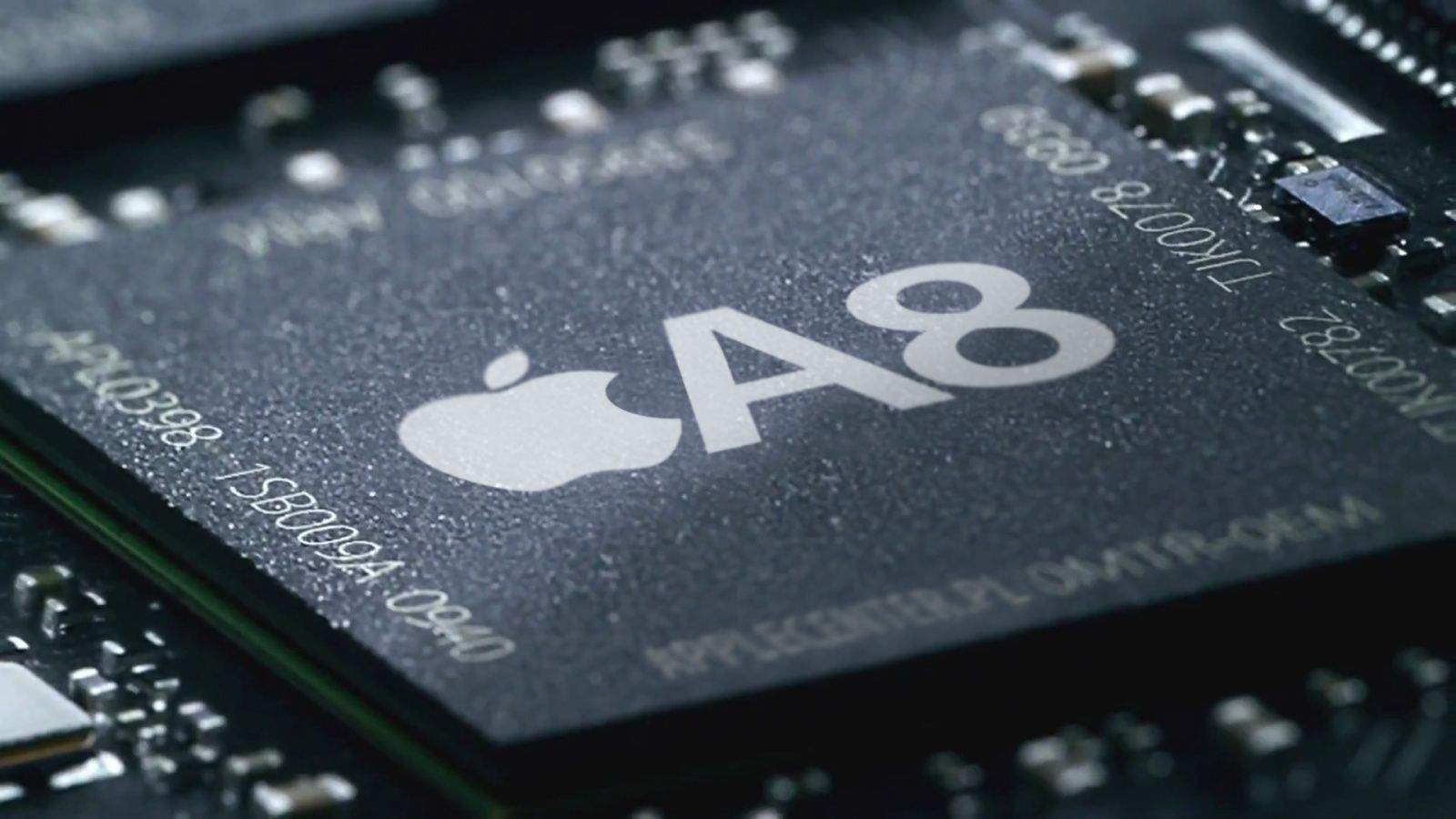
On the other hand, the Cupertino giant, which is highly secretive company about its developments was recently in the news for developing an Apple Neural Engine chip to add more advanced AI capabilities across its products. Most AI tasks such as speech recognition can affect the battery life and the iPhone maker plans to use the AI chip in conjunction with the standard processor and graphics chip to offset the battery life.
Redmond giant Microsoft too has designed its own chips designed to boost AI capabilities of their latest invention – the HoloLens, a holographic computer and head mounted display that enables users to interact with holograms.
Google and Microsoft’s projects are the most visible part of a new AI-chip industry springing up to challenge established semiconductor giants such as Intel and Nvidia.
From gaming to AI – here’s how NVIDIA started the revolution
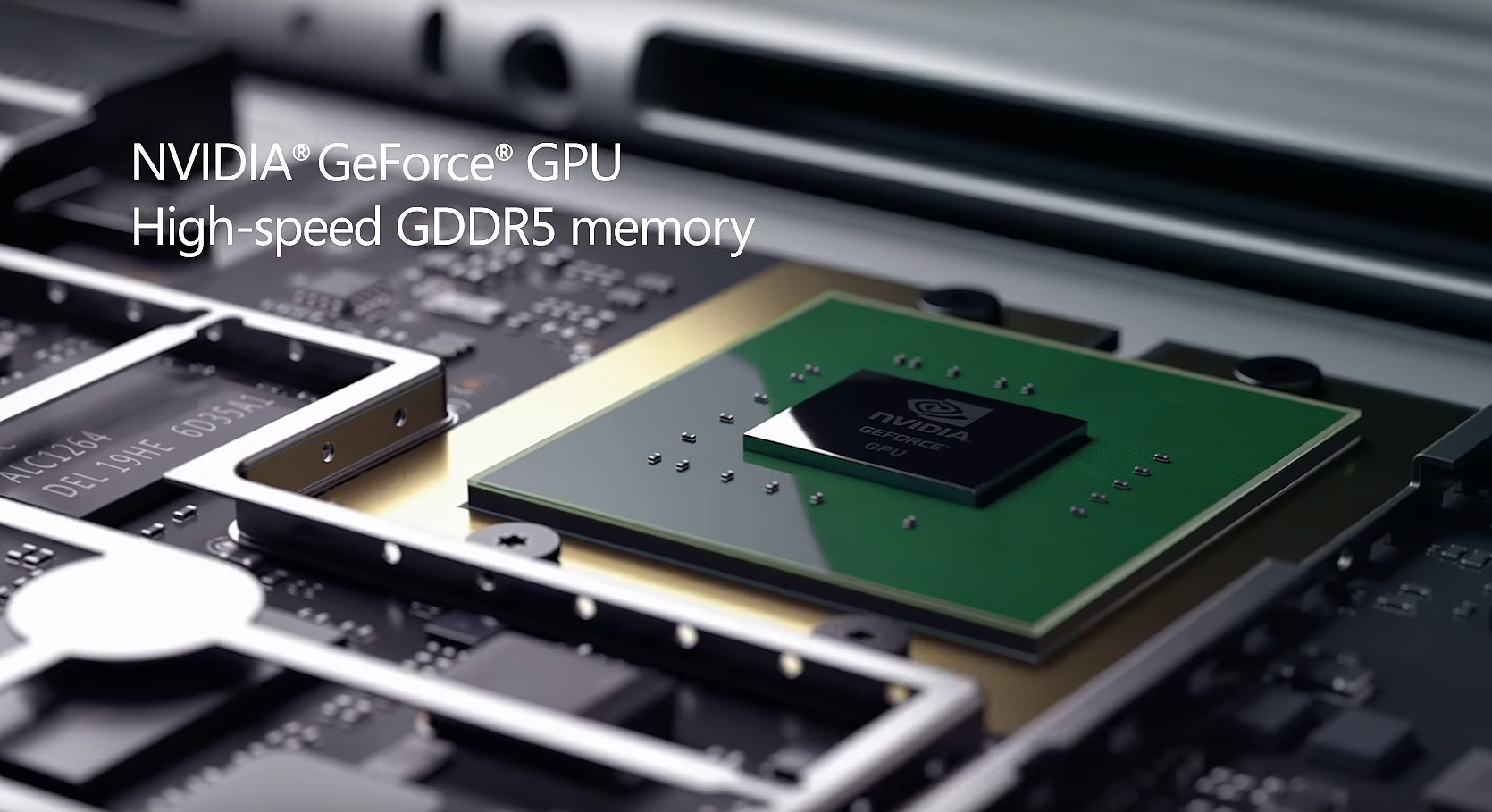 The gaming giant won the chip market when it trained its GPUs that powered video game graphics to handle other types of large computations. Today, GPUs have become the go-to hardware in data centres, running the company’s machine learning system, with NVIDIA’s GPUs deployed by Microsoft, Amazon and Alibaba among others.
As opposed to other players such as Intel and Advanced Micro Devices, NVIDIA identified a high growth opportunity in deploying GPUs for highly intensive computing and deep learning and started releasing their early version (CUDA) to researchers at university. By bulking up on the talent front, by snagging top performers from SGI, the computer graphics company now owned by HPE and leading graduate programs, trained its eyes on making NVIDIA products that could support machine learning algorithms. Known for their killer marketing strategy, the Santa Clara-headquartered gaming company now develops processors that power autonomous capabilities in cars.

Your reaction
Discussion
What's your take on this story?
No comments yet — be the first to share your view.