
5 min
Recent advancement in Deep Learning and its implementation has been causing chaos in the market. The monster GPUs on the cloud can run enormous computations parallelly at lightning speed. Fields such as speech recognition, image classification and autonomous vehicles, among others, requires a huge amount of training data to master the objective and running them on 4 or 8 GB RAM can be a never-ending process on your personal PC.
And accessing cloud services for personal training of models can cost a fortune. Here, we will go through the specifications required for building a small scale system for deep learning applications at your place. We will also look at why a high-end CPU cannot be compared to a low-end GPU when it comes to computing data parallelly.
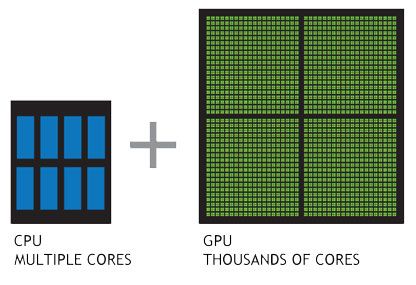 Deep Learning uses non-linear processing units and ANN for data retrieval and conversion, wherein the output generated in the preceding abstraction layer serves as the input for the successive abstraction layer. This way the processing power is distributed evenly. Although, CPUs fare good in this aspect, they are of no match when it comes to the processing power of its counterparts, the GPUs. This is because it contains massive multi-parallel cores — Nvidia boasts of having more than 3,500 cores in its processors while Intel’s CPUs flagship processors have a maximum of upto 30 cores — and that is why graphics cards are becoming more expensive.

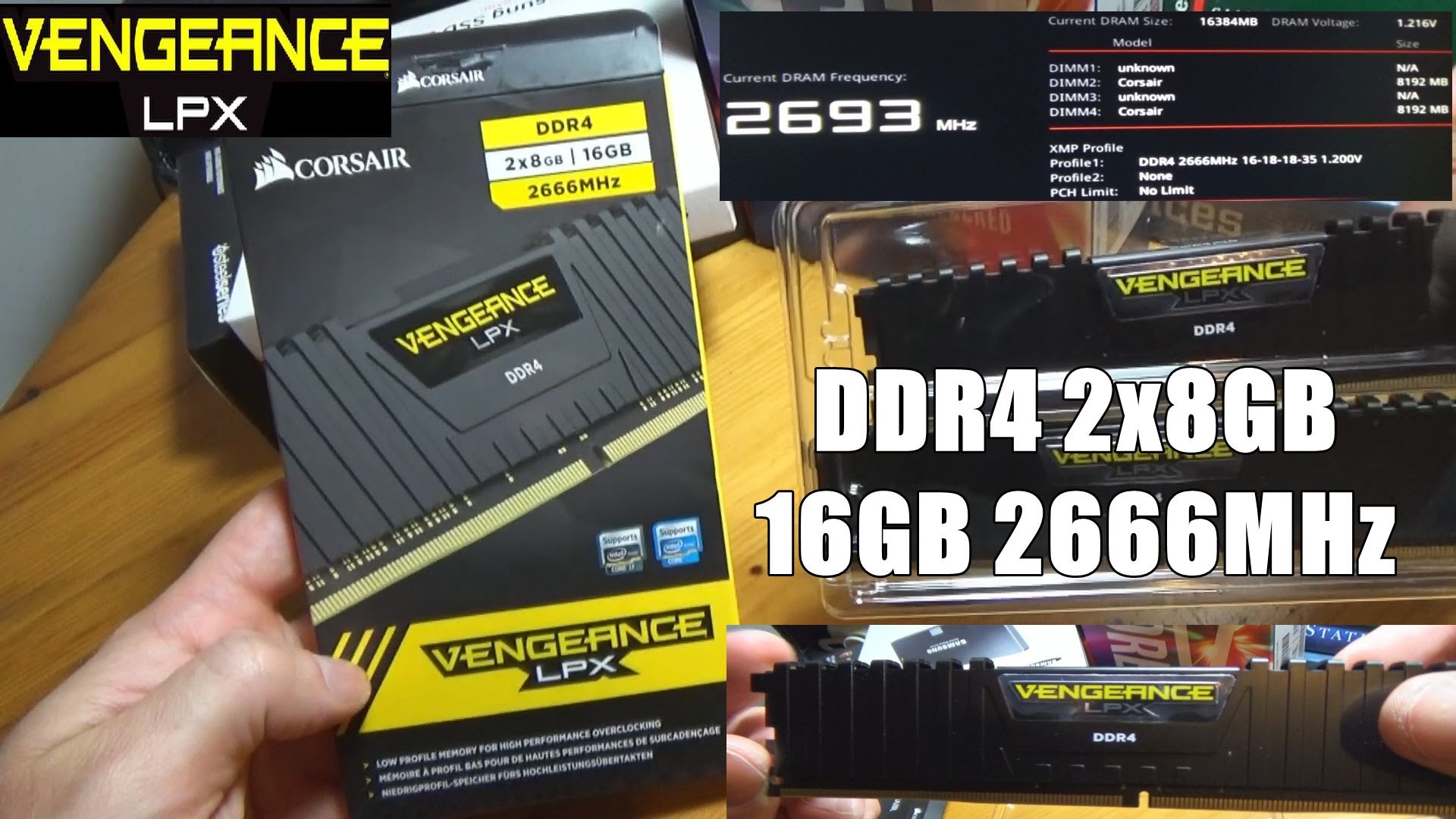
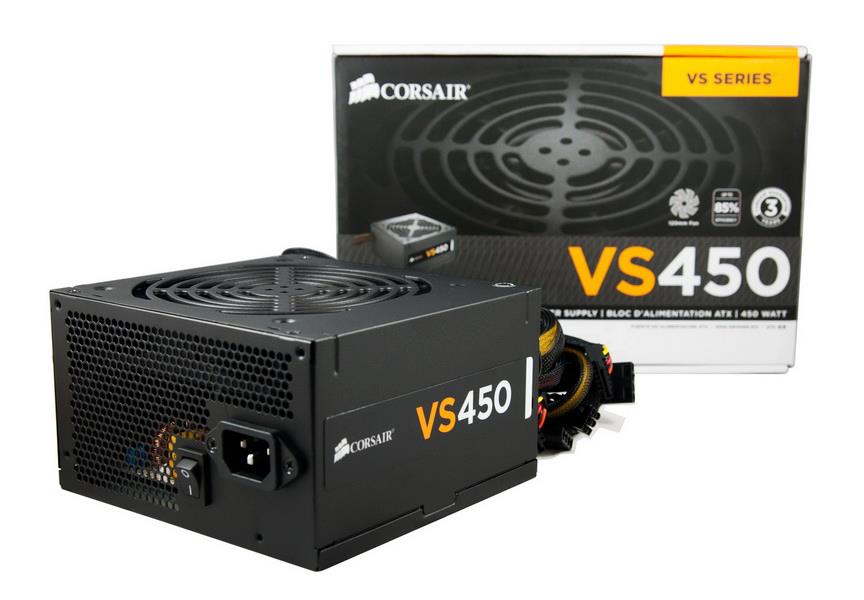
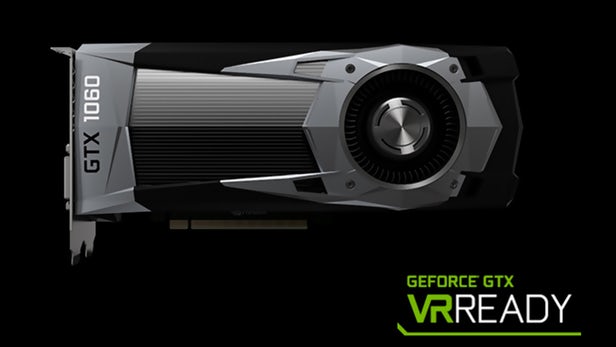
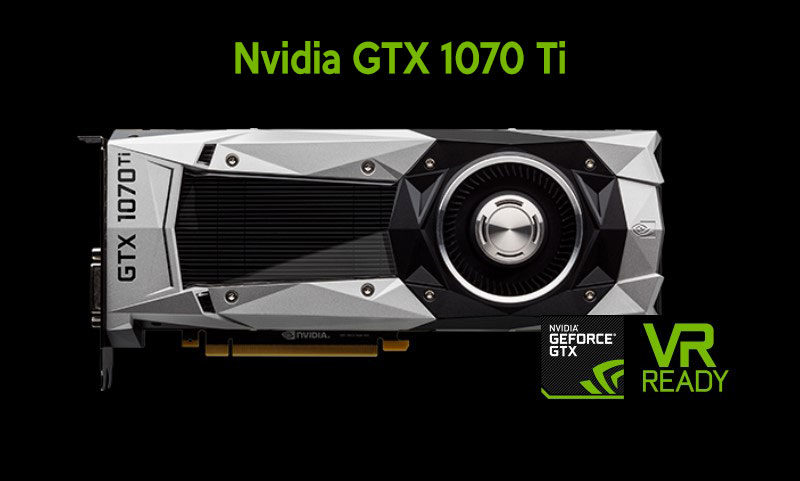
 Here you see that we were able to build our machine with ₹1,01,700, considering the GTX 1070 Ti GPU. To check the compatibility of all the components visit this page. And also the monitor, keyboard and mouse will be additional.
Why Are CPUs Outdated?
Deep Learning uses non-linear processing units and ANN for data retrieval and conversion, wherein the output generated in the preceding abstraction layer serves as the input for the successive abstraction layer. This way the processing power is distributed evenly. Although, CPUs fare good in this aspect, they are of no match when it comes to the processing power of its counterparts, the GPUs. This is because it contains massive multi-parallel cores — Nvidia boasts of having more than 3,500 cores in its processors while Intel’s CPUs flagship processors have a maximum of upto 30 cores — and that is why graphics cards are becoming more expensive.
| Features/Attributes | GPU | CPU |
| Computing Capability | High | Low |
| Core complexity | Simple | Composite |
| Number of Cores | 100 to 4,000 | 4 to 30 |
| Performance | Built for parallel computing, ideal for ML | Built to perform sequential operations |
| Graphics rendering | 1 to 2 milliseconds/ image (even lesser) | 1 to 5 seconds/image |
| Core efficiency | 1 to 5 tera-flops | 100 to 500 Giga-Flops |
| Latest additions | Nvidia’s Titan V, Tesla series and GTX 1050 series (expected soon) | Intel’s CoreTM i7-8700K Series |
How To Build A Deep Learning PC: The Components
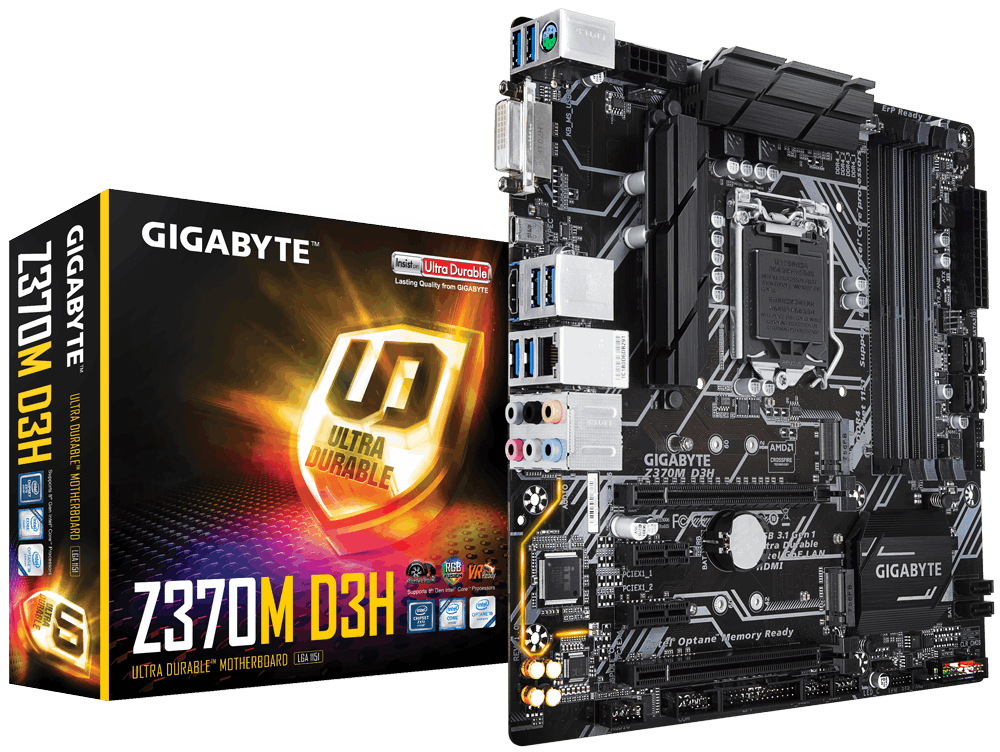
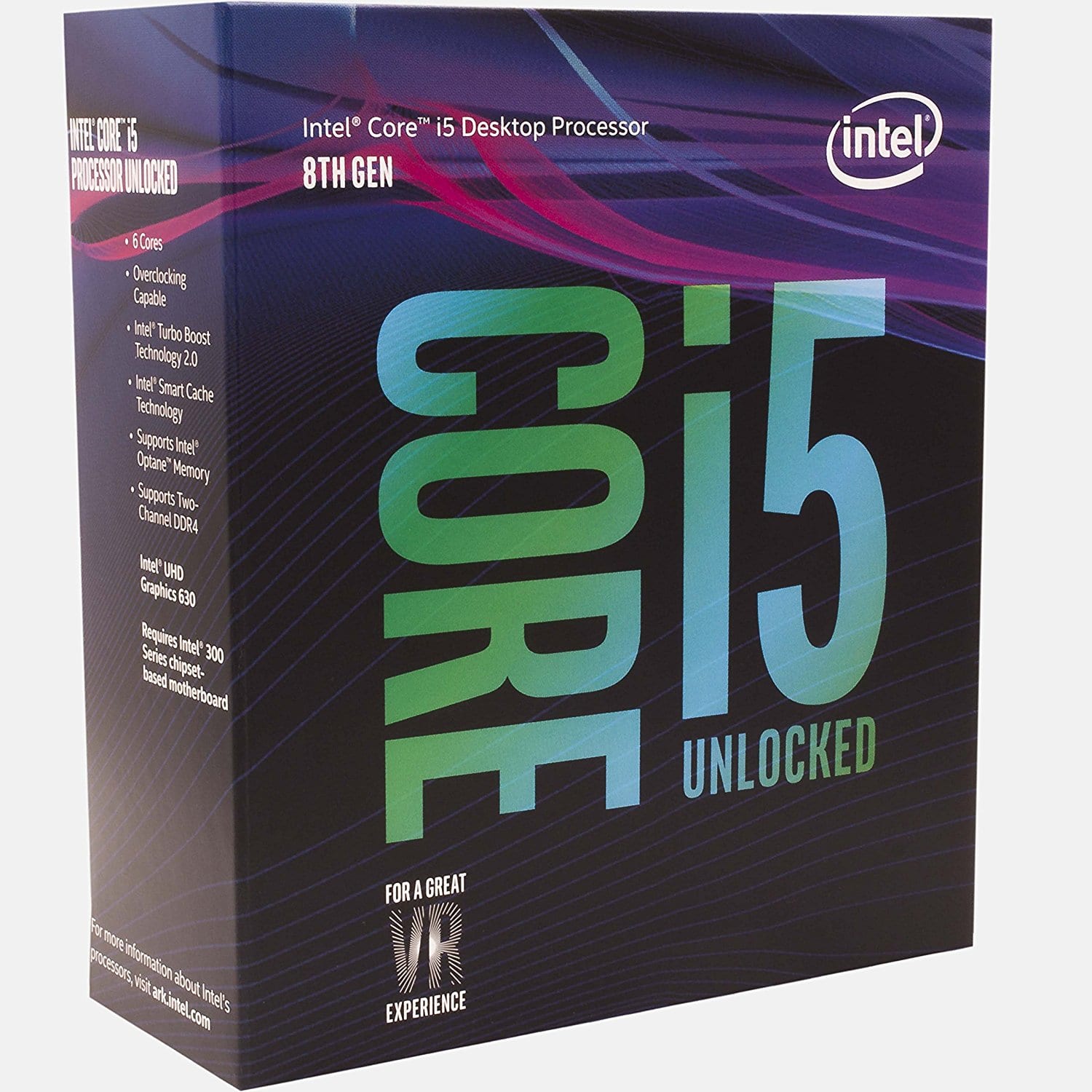
These are the components you need to consider while building your system:- Motherboard - ₹12,000
- Processor ₹22,000
- Cabinet - ₹3,000
- RAM - ₹20,000
- SMPS - 3,700
- GPU - 25,000 to ₹80,000
- GeForce GTX 1060 - 26,000
- GeForce GTX 1070 Ti - 43,000
- GeForce Gtx 1080 Ti - 83,000
Here you see that we were able to build our machine with ₹1,01,700, considering the GTX 1070 Ti GPU. To check the compatibility of all the components visit this page. And also the monitor, keyboard and mouse will be additional.

Your reaction
Discussion
What's your take on this story?
No comments yet — be the first to share your view.