

5 min
[caption id="attachment_15936" align="aligncenter" width="1200"] Can HR analytics prevent retrenchment through data-backed decisions[/caption]
At a time when the Indian IT industry is rocked by news of IT layoffs, a lot of challenges have piled up for HR, from slowed hiring to restructuring, HR is grappling with reorientation within the organization. In the words of Kris Lakshmikanth, Founder Chairman & Managing Director of The Head Hunters India Pvt. Ltd, HR has considerably lagged behind in the use of Big Data and Analytics in India. According to a global study by Tata Consultancy Services, only 5% of big-data investments were in made in human resources.
 Industry experts echo a similar view. The use of HR analytics is critical not just from talent acquisition and management perspective, but also cost optimization. With automation commoditizing low-skilled jobs and even some analytics functions, it is now a matter of automation versus resource deployment for HR managers.
While layoffs definitely mean bad PR for the organization, HR analytics can play a proactive role in preparing companies with data driven decisions, such as reallocating resources to avoid retrenchment. “I know of companies using tools to identify dissatisfied individuals at an early stage & take corrective action,” revealed Lakshmikanth.
The HR Technology market is estimated to be $15 billion. According to Arjun Pratap Singh, CEO & Founder, EdGE Networks, “AI and analytics are the driving force behind HR technology and this will drive the new employment economy. From talent acquisition and workforce optimization to workforce transformation, AI be the strategic enabler to HR”. EdGE Networks provides solutions across talent acquisition, workforce optimization and talent analytics. From attrition analytics to demand & supply forecasting and hiring cost analysis, the company has saved millions of dollars through timely, data-driven actions.

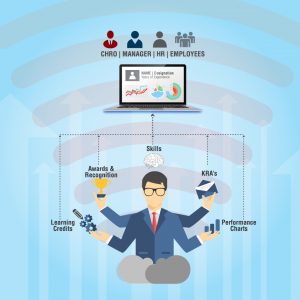
 Image: Analytics in HR[/caption]
While organizations are sitting on terabytes of rich employee data, it is massively underutilized. Most companies lack good analytics at their disposal to make sense of it. One reason cited by Lakshmikanth is that there is an over-supply of people vs demand. “I don't see much change in the next few years,” he said. Another big reason could be that HR has to be “forced up the learning curve” and get familiar with tools and techniques to realize gains from employee data.
While the absence of the right analytical resources and data is often cited for slow adoption, a recent chief HR officer survey revealed the senior management wasn’t satisfied with the level of insights extracted from the company data. In other words, lack of good quality data is also seen as an impediment in getting quality results.
Another key reason is that while enterprises pay an increased emphasis on hiring digital talent, little attention is paid to the HR department – whether it is equipped to bring innovative solutions to bridge the digital skills gap? The digital transformation of HR is often overlooked as organizations tap into newer ways to hire and onboard talent. According to a CapGemini survey, 63% of companies use traditional methods to source talent.
Can HR analytics prevent retrenchment through data-backed decisions[/caption]
At a time when the Indian IT industry is rocked by news of IT layoffs, a lot of challenges have piled up for HR, from slowed hiring to restructuring, HR is grappling with reorientation within the organization. In the words of Kris Lakshmikanth, Founder Chairman & Managing Director of The Head Hunters India Pvt. Ltd, HR has considerably lagged behind in the use of Big Data and Analytics in India. According to a global study by Tata Consultancy Services, only 5% of big-data investments were in made in human resources.
Role of HR Analytics in times of mass layoffs
 Industry experts echo a similar view. The use of HR analytics is critical not just from talent acquisition and management perspective, but also cost optimization. With automation commoditizing low-skilled jobs and even some analytics functions, it is now a matter of automation versus resource deployment for HR managers.
While layoffs definitely mean bad PR for the organization, HR analytics can play a proactive role in preparing companies with data driven decisions, such as reallocating resources to avoid retrenchment. “I know of companies using tools to identify dissatisfied individuals at an early stage & take corrective action,” revealed Lakshmikanth.
The HR Technology market is estimated to be $15 billion. According to Arjun Pratap Singh, CEO & Founder, EdGE Networks, “AI and analytics are the driving force behind HR technology and this will drive the new employment economy. From talent acquisition and workforce optimization to workforce transformation, AI be the strategic enabler to HR”. EdGE Networks provides solutions across talent acquisition, workforce optimization and talent analytics. From attrition analytics to demand & supply forecasting and hiring cost analysis, the company has saved millions of dollars through timely, data-driven actions.
Here’s what HR analytics can do:
- By identifying under-performing business units and teams in the evolving tech landscape, resources can be reskilled or deployed to another team
- Data-backed decisions lend transparency to processes such as annual reviews. In case of retrenchment, data-driven decisions lend validity to the process
- By tapping into mountains of data, HR teams can identify internal hires who tend to perform better and cost less to the company. By putting employees in a better role, HR managers can significantly reduce the attrition rate
- By mapping performance prediction, companies can measure business outcomes and even dole out incentives, raises effectively
- There is plenty of scope of analytics in filling up positions like Data Analyst, Robotics, AI et al
Why are companies lagging behind in adoption of HR analytics?
[caption id="attachment_15934" align="aligncenter" width="699"] Image: Analytics in HR[/caption]
While organizations are sitting on terabytes of rich employee data, it is massively underutilized. Most companies lack good analytics at their disposal to make sense of it. One reason cited by Lakshmikanth is that there is an over-supply of people vs demand. “I don't see much change in the next few years,” he said. Another big reason could be that HR has to be “forced up the learning curve” and get familiar with tools and techniques to realize gains from employee data.
While the absence of the right analytical resources and data is often cited for slow adoption, a recent chief HR officer survey revealed the senior management wasn’t satisfied with the level of insights extracted from the company data. In other words, lack of good quality data is also seen as an impediment in getting quality results.
Another key reason is that while enterprises pay an increased emphasis on hiring digital talent, little attention is paid to the HR department – whether it is equipped to bring innovative solutions to bridge the digital skills gap? The digital transformation of HR is often overlooked as organizations tap into newer ways to hire and onboard talent. According to a CapGemini survey, 63% of companies use traditional methods to source talent.

Your reaction
Discussion
What's your take on this story?
No comments yet — be the first to share your view.