
5 min
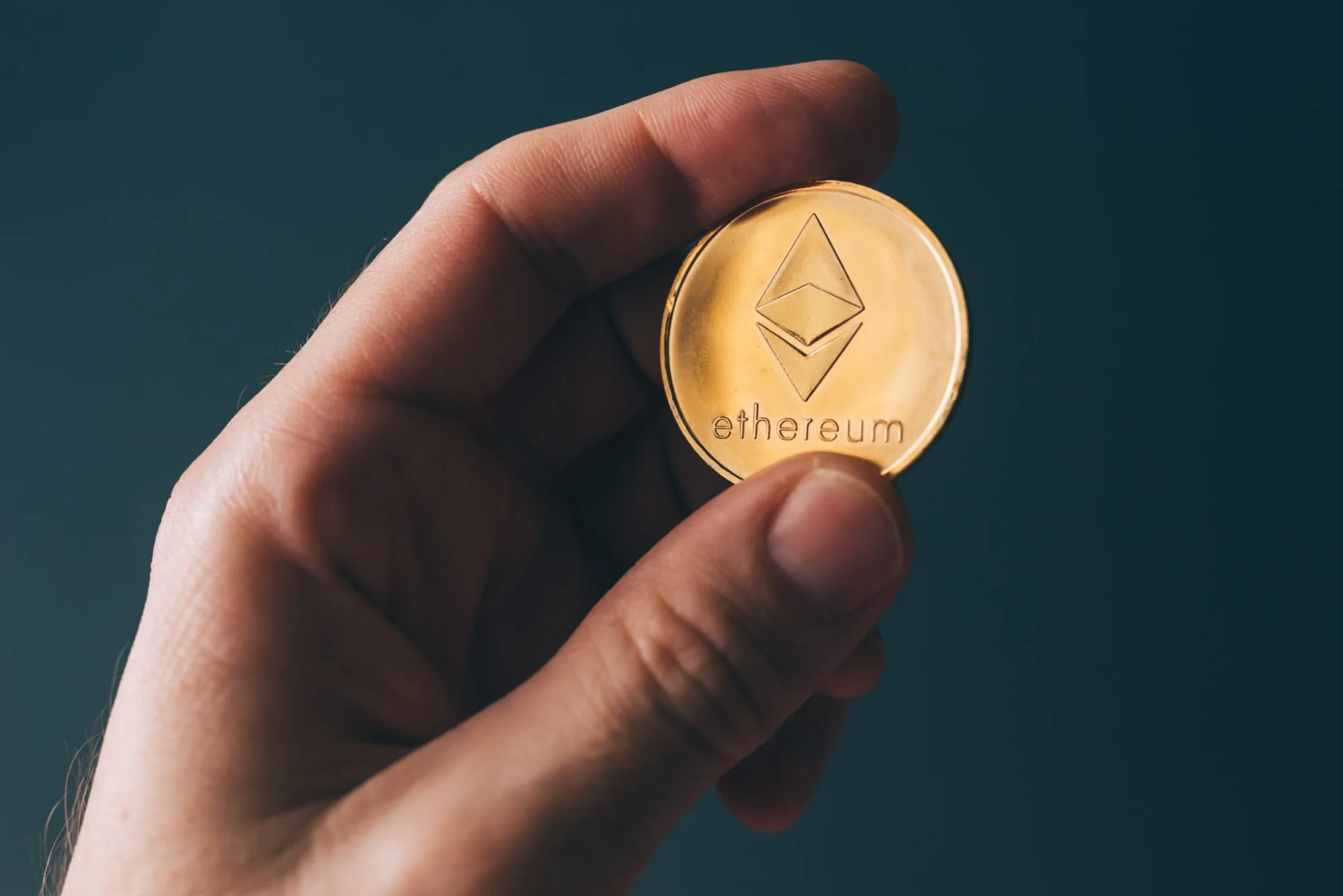
[caption id="attachment_24732" align="aligncenter" width="6685"] Ethereum cryptocurrency in hand, blockchain technology decentralized currency coin[/caption]
In today’s world, crypto assets are changing the way businesses need to be built. Instead of getting the equity financing from founders and accredited investors, entrepreneurs are using ICO (Initial Coin Offering) financing route.
In the crypto token version of business, marketplace value is captured by all those who create value for the marketplace, including marketplace “users”, and that value is captured without any transaction fees. This model eliminates the middleman.
The oligopoly of platforms like Uber, Airbnb, Amazon, etc. will face a challenging time in coming days.
 Crypto assets can be divided into 4 categories based on the characteristics they possess. Four type of crypto assets are Cryptocurrencies, Platform tokens, Utility tokens & Transactional/ Payment tokens:
Cryptocurrencies: Well-known native blockchain assets with only the basic characteristics as those of a fiat currency but are decentralized. The only purpose of these crypto assets is to act as money or digital currency which offer a more secure and decentralized experience to the users.
Popular cryptocurrencies are Bitcoin, Monero, Litecoin, etc.
Platform Tokens: Platform tokens are designed to act as a platform for other decentralized projects.
Popular platform tokens are Ethereum, EOS, NEO, etc.
Utility Tokens: Utility tokens (also called protocol tokens) denotes decentralized services or units of decentralized services that can be bought, sold, and earned. Just like any real-life service token, these tokens can be exchanged for specific services like distributed storage, video game currency, etc. These tokens are developed with a specific use case in mind and acts as an API key which is used to access a specific service. Some of the popular utility tokens are Golem, Augur, Gnosis, DigixDAO, etc.
Ethereum cryptocurrency in hand, blockchain technology decentralized currency coin[/caption]
In today’s world, crypto assets are changing the way businesses need to be built. Instead of getting the equity financing from founders and accredited investors, entrepreneurs are using ICO (Initial Coin Offering) financing route.
In the crypto token version of business, marketplace value is captured by all those who create value for the marketplace, including marketplace “users”, and that value is captured without any transaction fees. This model eliminates the middleman.
The oligopoly of platforms like Uber, Airbnb, Amazon, etc. will face a challenging time in coming days.
Demystifying Crypto Assets
Crypto assets are digital assets which utilize cryptography, peer to peer (P2P) networking and a public ledger to regulate the generation of new units, verify the transactions and secure the transactions without the intervention of any middleman. Crypto assets work exclusively on the internet by using a network of computers that lend their processing power to verify and register all the transactions made. In return for their work, computers are rewarded with a payment in the form of tokens. The system that allows for this to happen is known as the blockchain, and it is the fundamental force behind any crypto asset. The blockchain is formed by blocks and each block is a segment of the chain that holds the Ledger of transactions made with crypto assets. The decentralization of economy along with avoidance of taxes, inflation, and local incertitude, implies that anyone can save their money in tokens and withdraw it on a need basis. This is the reason why crypto assets are getting popular. One of the most important aspects of crypto assets is their supply. The supply of a crypto asset is often the determinant of its utility and value. While some have a finite total supply, many are launched with infinite total supply. A crypto asset’s supply can be divided into three types: Circulating Supply: It’s the amount of coin available at present time and circulating in the market. Total Supply: The total supply is the amount of coin that is already in existence (whether in circulation or not) Maximum Supply: It is the maximum amount of coin that will ever exist for a particular cryptoasset.Types of Crypto assets
Crypto assets can be divided into 4 categories based on the characteristics they possess. Four type of crypto assets are Cryptocurrencies, Platform tokens, Utility tokens & Transactional/ Payment tokens:
Cryptocurrencies: Well-known native blockchain assets with only the basic characteristics as those of a fiat currency but are decentralized. The only purpose of these crypto assets is to act as money or digital currency which offer a more secure and decentralized experience to the users.
Popular cryptocurrencies are Bitcoin, Monero, Litecoin, etc.
Platform Tokens: Platform tokens are designed to act as a platform for other decentralized projects.
Popular platform tokens are Ethereum, EOS, NEO, etc.
Utility Tokens: Utility tokens (also called protocol tokens) denotes decentralized services or units of decentralized services that can be bought, sold, and earned. Just like any real-life service token, these tokens can be exchanged for specific services like distributed storage, video game currency, etc. These tokens are developed with a specific use case in mind and acts as an API key which is used to access a specific service. Some of the popular utility tokens are Golem, Augur, Gnosis, DigixDAO, etc.

Your reaction
Discussion
What's your take on this story?
No comments yet — be the first to share your view.