Key takeaways
- Google's advancements in quantum computing include the launch of the 72 qubit Bristlecone processor, surpassing IBM's 50 qubit model.
- The company asserts that low error rates in quantum processors could enable them to outpace classical supercomputers on specific tasks.
- A 2016 paper suggests that quantum devices may soon perform computations beyond the reach of current classical technology.
- IBM remains a significant competitor in the quantum race, having developed a comprehensive quantum computing technology stack since 1998.
 The last time Google made a buzz about quantum computing was when it launched the world’s biggest quantum computer processor — the 72 qubit Bristlecone that bested IBM’s efforts, IBM 50 qubit processor. The Mountain View giant quickly claimed that If a quantum processor can be operated with low enough error, it would be able to outperform a classical supercomputer on a well-defined computer science problem, an achievement known as quantum supremacy.
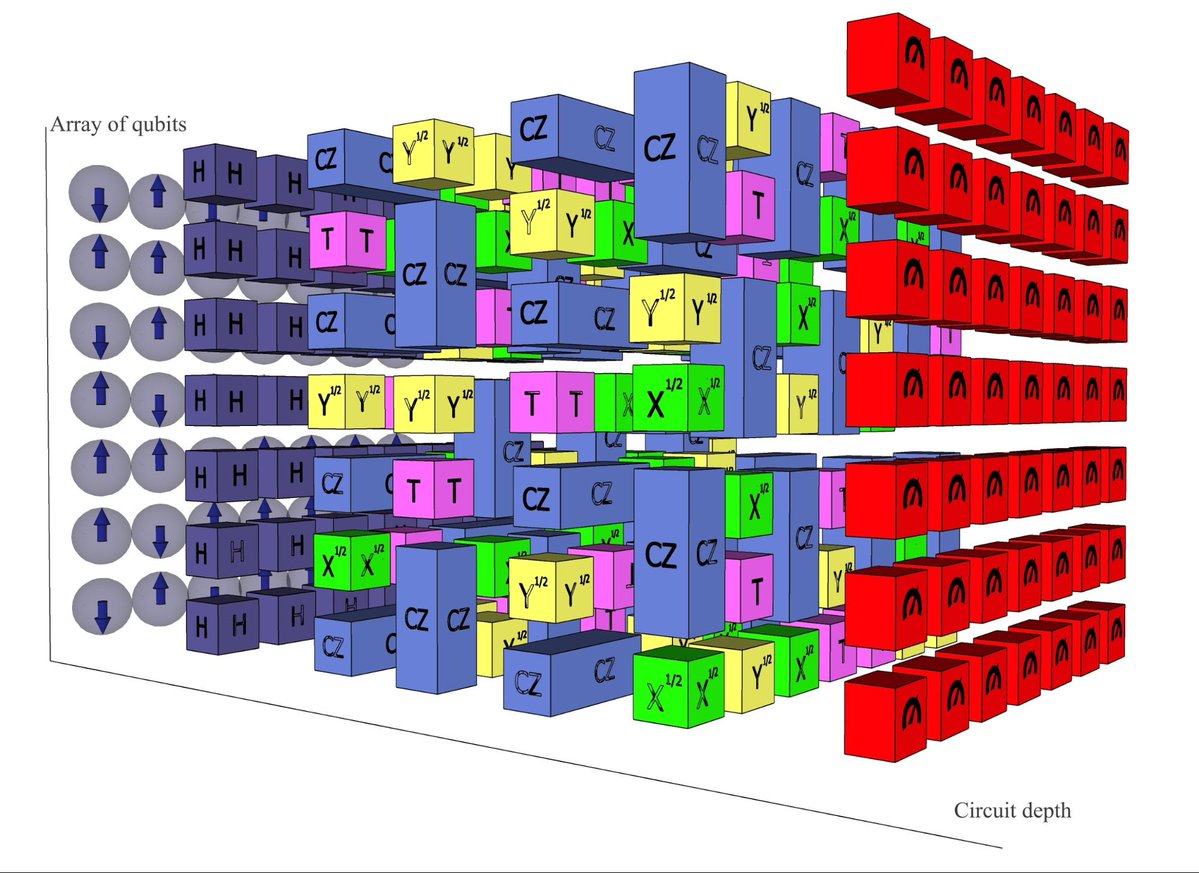
Well, now Google is back to claiming supremacy in quantum computing with a 2016 paper titled, Characterising quantum supremacy in near-term devices that presented how in the near future, quantum devices without error correction can carry out well-defined computational task beyond the capabilities of state-of-the-art classical computers, achieving so-called quantum supremacy. The Google Research team claims it is the strongest theoretical proposal to prove an exponential separation between the computational power of classical and quantum computers.